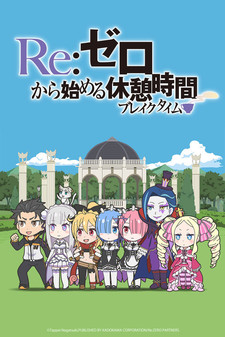
Re:ZERO ~Starting Break Time From Zero~
📺Anime Details
📝Editorial Analysis
The clink of porcelain teacups. The soft shush of twin maids’ skirts brushing the stone floor as they pivot in perfect unison—then freeze, eyes wide, when Subaru stumbles backward into a potted fern, sending leaves fluttering like startled sparrows. No blood. No death. Just a flustered sigh from Rem, a quiet chuckle from Ram, and the gentle ping of a chime hanging from the garden gate—tiny, bright, utterly incongruous against the weight of what just almost happened. That’s the heartbeat of Re:ZERO ~Starting Break Time From Zero~: not tension coiled tight, but tension unspooled, then folded neatly into a napkin and tucked beside a slice of strawberry shortcake.
This isn’t the crushing dread of irreversible loss—it’s the lightness after surviving it. The anime’s atmosphere lives in that breath-hold between despair and dessert. It’s melancholic, yes—but not in the way sorrow settles like dust. It’s melancholic like sunlight through stained glass: colored, refracted, holding memory and warmth all at once. You feel the echo of trauma, but it’s muffled by the rustle of elf ears twitching at a joke, the exaggerated boing of a chibi head-tilt, the way time itself seems to stretch, soften, and occasionally skip—like a record needle lifting mid-note. It’s episodic not as filler, but as ritual: each reset a chance to re-taste tea, re-meet a maid, re-sense the quiet hum of safety earned, not granted.
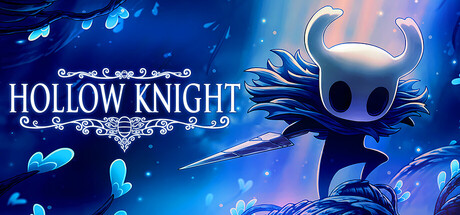
That emotional DNA—the delicate balance of melancholic exploration wrapped in gentle absurdity—finds startling resonance in three games sharing an 81-score and identical dimensional tags. Take Hollow Knight: its description promises “an epic action adventure through a vast ruined kingdom of insects and heroes,” and players praise its “lovely story” and “beautiful art style.” But look closer—the melancholic exploration isn’t just mood; it’s architecture. You walk halls where statues weep silent tears, decipher glyphs etched by forgotten hands, and find comfort not in conquest, but in quiet moments with a moth who remembers your name. Like Re:ZERO ~Starting Break Time From Zero~, it treats fragility as sacred—not something to fix, but something to hold gently, cupped in both hands like a fallen wing.
Then there’s DARK SOULS™ III, whose description declares: “Dark Souls continues to push the boundaries… Prepare yourself and Embrace The Darkness!” Yet the player review cuts deeper: “Why Do We Still Reach for the Fire When It Is Dying?” That line aches with the same quiet insistence as Subaru choosing—again—to sit at the table, pour tea, and smile, even though he knows how easily the cup can shatter. Both works understand that resilience isn’t loud defiance—it’s the soft, stubborn act of returning to the hearth, again and again, knowing the flame is low but still there. The melancholic exploration here isn’t about finding answers—it’s about learning the shape of your own persistence.
And Sacred Gold, despite its janky reputation—“full of jank, bugs and is not very stable on modern systems”—somehow fits too. Its description evokes “a shadow of evil [falling] on the kingdom of Ancaria” and calls for “champions” to journey into peril. But the feeling isn’t grim determination—it’s the earnest, slightly clumsy sincerity of stepping into armor two sizes too big, swinging a sword that wobbles mid-air, and still believing, wholeheartedly, in the quest. That’s the spirit of Re:ZERO ~Starting Break Time From Zero~: heroism rendered in chibi proportions, danger softened by twin giggles, darkness held at bay by the warm glow of a kitchen lamp.
These pairings aren’t for the adrenaline-chaser or the lore-archivist. They’re for the person who lingers on the last frame of a quiet scene—the one who saves before a boss fight not to avoid failure, but to savor the return to the safe house, the familiar creak of the floorboard, the way light catches dust motes in the air. They’re for the viewer who watches Rem fold laundry with surgical care, then pauses the episode just to breathe—and the player who walks Hollow Knight’s City of Tears for twenty minutes without fighting, just listening to rain on cracked tiles. It’s for those who find profound comfort in worlds that remember loss, yet choose—every single day—to set the table, light the candle, and wait, patiently, for the next gentle, imperfect, alive moment.
🎮37 Games That Match the Vibe














Match Dimensions Explained
❓Frequently Asked Questions
Why does Hollow Knight feel so much like Re:ZERO’s emotional gut-punches?
Because both lean hard into melancholic exploration—Hollow Knight’s Hall of Gods and the Abyss mirror Re:ZERO’s ‘Starting Break Time’ despair loops, where you’re constantly confronting loss, fragmented memories (like Hornet’s tragic backstory), and quiet, haunting silences. The OST swells at just the right moments—like when you first see the broken White Palace—and that same weighty, reflective tone echoes Re:ZERO’s quieter, character-driven breaks between chaos.
Is there a Re:ZERO anime or visual novel adaptation of Sacred Gold?
No—Sacred Gold is a standalone 2004 RPG with zero ties to Re:ZERO. It’s got its own lore (Ancaria, orcs, ogres) and even shares Re:ZERO’s 'Dark Fantasy, Melancholic Exploration' dimension—but that’s just thematic overlap, not adaptation. The janky modern ports and dated UI make it more of a cult curiosity than a narrative sibling.
How does DARK SOULS™ III compare to Hollow Knight for Re:ZERO fans who love slow-burn tragedy?
Both nail melancholic exploration, but differently: Hollow Knight leans into sorrowful beauty (e.g., the silent, rain-soaked City of Tears), while DARK SOULS™ III hits harder with existential dread—like Lothric’s decaying cathedral or Yhorm’s sacrifice, which mirrors Subaru’s repeated failures and quiet resolve. Neither has dialogue trees or harem tropes, but both make you *feel* the weight of time, memory, and consequence in every step.
What’s the best game like Re:ZERO for someone who wants that ‘quiet, heavy, introspective’ vibe—not action-heavy?
Hollow Knight is your best bet—it’s built for lingering: the stillness of the Forgotten Crossroads, the whispered journal entries from lost bugs, and that devastating, wordless ending all channel Re:ZERO’s ‘Starting Break Time’ mood without combat overload. Sacred Gold and DARK SOULS™ III are heavier on action; Assassin’s Creed™ feels too grounded and historical to match that specific emotional texture.