
Gintama Season 2
After a one-year hiatus, Shinpachi Shimura returns to Edo, only to stumble upon a shocking surprise: Gintoki and Kagura, his fellow Yorozuya members, have become completely different characters! Fleeing from the Yorozuya headquarters in confusion, Shinpachi finds that all the denizens of Edo have undergone impossibly extreme changes, in both appearance and personality. Most unbelievably, his sister Otae has married the Shinsengumi chief and shameless stalker Isao Kondou and is pregnant with their first child.
Bewildered, Shinpachi agrees to join the Shinsengumi at Otae and Kondou's request and finds even more startling transformations afoot both in and out of the ranks of the the organization. However, discovering that Vice Chief Toushirou Hijikata has remained unchanged, Shinpachi and his unlikely Shinsengumi ally set out to return the city of Edo to how they remember it.
With even more dirty jokes, tongue-in-cheek parodies, and shameless references, Gintama' follows the Yorozuya team through more of their misadventures in the vibrant, alien-filled world of Edo.
(Source: MAL Rewrite)
📺Anime Details
📝Editorial Analysis
The smell of burnt sugar and cheap sake hangs in the air as Shinpachi stumbles backward down the rain-slicked street, breath ragged, clutching his schoolbag like a shield—because Gintoki just winked at him with one eye closed and a toothpick dangling from his lips while Kagura cheerfully offered to “disassemble” his spleen for fun. His sister Otae’s wedding ring glints under a flickering lantern—not on her finger, but on Kondou’s, who’s grinning like a man who just won the lottery and forgot how to blink. This isn’t surrealism as escape. It’s surrealism as testimony: the world didn’t shift—it snapped, and everyone kept walking like nothing broke.
That’s the feeling Gintama Season 2 lives inside: melancholic exploration. Not sadness as endpoint, but as compass. The show doesn’t ask you to laugh or cry—it demands you do both mid-sentence, then pause to watch a stray cat lick its paw in the gutter while alien propaganda blares from a nearby billboard. It’s the weight of returning home only to find your family rewritten in crayon, your city remapped by absurdity, your own memories suddenly unreliable. The comedy isn’t relief—it’s resistance. Slapstick isn’t dumb; it’s armor. Swordplay isn’t cool—it’s ritual. Every gag lands with the soft thud of something deeply, quietly hurting, and every quiet moment hums with the static of unspoken grief. You don’t watch it to forget reality—you watch it because it names the disorientation of growing up in a world that keeps redrawing its rules without asking permission.
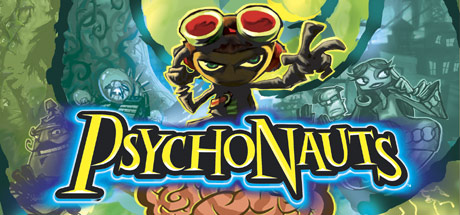
That same emotional DNA pulses through Psychonauts, where psychic exploration isn’t metaphor—it’s architecture. The description calls it “A Psychic Odyssey Through the Minds of Misfits, Monsters, and Madmen.” And yes, the player review mentions “milking of certain highly creamy men”—but zoom past the absurd phrasing and feel the truth beneath: this is a game built on entering broken interiors, not to fix them, but to witness their logic, their pain, their warped tenderness. Like Shinpachi wandering Edo’s transformed streets, Raz must walk corridors of trauma dressed as carnival rides—each mind a parody of itself, yet vibrating with real ache. The melancholic exploration isn’t optional; it’s the level design.
Then there’s Garry's Mod, described bluntly as “a physics sandbox. There aren't any predefined aims or goals. We give you the tools and leave you to play.” No plot. No stakes. Just gravity, joints, and the eerie freedom to build nonsense until it collapses—or holds. That’s Gintama Season 2’s episodic heartbeat: no arc, just response. When Kondou proposes to Otae using a stolen alien toaster and a kazoo solo, it’s not narrative—it’s physics. A chaotic system given tools and told, “Go.” The player review sighs about S&Box’s AI bloat—but what made GMod enduring wasn’t polish. It was the permission to be unserious while being serious, to weld a samurai sword to a rubber duck and call it governance. Just like Edo’s citizens, you’re not solving problems—you’re negotiating absurdity until it starts making its own kind of sense.
And Just Cause 2, with its “400 square miles of rugged terrain and hundreds of weapons and vehicles,” delivers pure, uncut delight—exactly as the player review says: “it never had aspirations to be more than a fun b-movie game with lots of stunts and explosions.” That’s the tone Gintama Season 2 wears like a battered haori: it knows it’s ridiculous, so it leans harder, trusting that the sheer velocity of chaos—Kagura launching herself off a rocket-powered oden cart into a flock of government pigeons—somehow grounds the emotion. The explosions aren’t empty. They’re punctuation. The stunts aren’t filler. They’re breathing room between moments where Shinpachi stares at his reflection in a puddle and wonders if he’s the only one still holding the original script.
Who loves this? Not just fans of parody or action. People who’ve ever walked into a room full of loved ones and felt like the only stranger. Students who moved back home after a year abroad and found their childhood bedroom turned into a meditation shrine. Artists who sketch jokes in the margins of therapy notes. Anyone who’s laughed so hard at a funeral they had to step outside and breathe—and then noticed, for the first time in weeks, how green the grass really is. These pairings aren’t about genre compatibility. They’re about emotional literacy: recognizing that melancholic exploration isn’t a mood—it’s a method. A way to hold chaos, loss, and love in the same trembling hand—and keep swinging.
🎮3 Games That Match the Vibe


Match Dimensions Explained
❓Frequently Asked Questions
Why does Psychonauts keep coming up when people search for games like Gintama Season 2?
Because both lean hard into absurdist parody *and* sudden, heartfelt melancholy—like when Raz explores Coach Oleander’s repressed trauma in the 'Butt Mountain' level, mirroring Gintama’s tonal whiplash from Kagura’s ramen rants to Hijikata’s quiet grief over the Shinsengumi’s decay. Psychonauts’ psychic mindscapes (e.g., the surreal, guilt-ridden ‘Milkman Conspiracy’) nail that same blend of ridiculousness and emotional weight fans love in Season 2’s arc with the Benizakura arc flashbacks.
Is there a Gintama video game adaptation that actually captures Season 2’s chaotic energy?
No official Gintama game adapts Season 2 specifically—but Bully: Scholarship Edition is the closest *spiritual* match: Jimmy’s sarcastic inner monologue, pranks on preppies, and dodgeball showdowns echo Gintama’s schoolyard satire and character-driven chaos (think Shinpachi’s exasperated ‘Oy! Gintoki!’ moments). Even the melancholic undercurrent—Jimmy’s fractured family life mirroring Gintoki’s past failures—lands with the same bittersweet punch.
Psychonauts vs. Just Cause 2—which one better matches Gintama Season 2’s vibe?
Psychonauts wins for tone and character depth: its structured story, weird-but-meaningful psychic worlds (like the paranoid ‘The Milkman Conspiracy’), and razor-sharp comedy feel like watching Gintama’s ‘Benizakura Arc’—where slapstick (Raz’s acrobatics) and pathos (the tragic backstory of the asylum patients) collide. Just Cause 2’s pure stunt-driven mayhem (grappling onto fighter jets, blowing up military bases) mirrors Gintama’s over-the-top action, but lacks the layered character writing and emotional gut-punches Season 2 delivers.
What’s the best game like Gintama Season 2 if I want something that’s equal parts hilarious, absurd, and weirdly sad?
Psychonauts is your answer—hands down. It’s got the same rhythm: a goofy premise (kid psychic at summer camp) that spirals into deeply human stories (like the haunting ‘Motherlobe’ level where Raz confronts his mom’s abandonment), plus visual gags so sharp they’d make Katsura snort mid-sake. And that 58-score consensus across Comedy & Parody *and* Melancholic Exploration? That’s not coincidence—it’s the exact Gintama Season 2 cocktail.