
Akame ga Kill!
In a land where corruption rules and a ruthless Prime Minister has turned the puppet Emperor's armies of soldiers, assassins and secret police against the people, only one force dares to stand against them: Night Raid, an elite team of relentless killers, each equipped with an Imperial Arm - legendary weapons with unique and incredible powers created in the distant past.
Rescued from a fate worse than death by Night Raid, young Tatsumi is offered the chance to join their lethal ranks… but it's a deadly choice, as few can master an Imperial Arm and even fewer survive when two Arms go against each other in combat. The battle is on, and only the strongest will make it out alive.
(Source: Sentai Filmworks)
📺Anime Details
📝Editorial Analysis
The first time Tatsumi watches a comrade die—not in a blaze of glory, but mid-sentence, throat slit by a wire he didn’t see coming—the world doesn’t slow down. There’s no swelling music, no flashback. Just the wet shink of steel parting flesh, the sudden slack in the jaw, and the way the blood pools too fast, soaking into the cobblestones like ink in cheap paper. That moment isn’t about shock—it’s about recognition. You realize, cold and quiet, that loyalty here is measured in seconds, not speeches, and every breath you take is borrowed from someone else’s last.

That’s the core feeling of Akame ga Kill!: inescapable consequence. Not just death—but the weight of choosing it, enabling it, surviving it. It’s not grimdark for spectacle; it’s psychological gravity. The Imperial Arms aren’t cool upgrades—they’re curses with names and histories, each one whispering how easily power curdles into complicity. The politics aren’t backdrop; they’re texture, felt in the way soldiers’ armor gleams under torchlight while starving children huddle in alleyways too narrow for justice to enter. You don’t watch this anime to root for heroes—you watch to witness what happens when idealism walks straight into a meat grinder and keeps walking, dragging its shattered spine behind it.
That same suffocating, morally saturated air lives in Assassin's Creed™: Director's Cut Edition—not because of parkour or hooded cloaks, but because of its political thriller bones. The description calls it “next-gen… that redefines the action genre,” but what lingers is the player review’s quiet admission: “I should probably start with the flaws first.” That self-aware, almost weary honesty mirrors Night Raid’s own exhaustion—their missions aren’t triumphant; they’re necessary triage in a collapsing system. Both demand you move through a world where every rooftop overlooks a lie, and every kill has paperwork buried three layers deep in bureaucracy.
Then there’s Dark Messiah of Might & Magic, whose description promises “ferocious combat in a dark and im…”—cut off, like a sentence severed mid-thought. That fragmentation is the tone. Its player review praises “fantastic melee combat that still holds up,” but adds the caveat: “it needs a patch to get the game running properly.” That tension—brutal, immediate physicality paired with systemic instability—is pure Akame ga Kill!. When Akame’s Murasame cuts, it’s not clean—it’s visceral, irreversible, echoing in silence afterward. So does Dark Messiah’s combat: no health bars flashing red, just bone-deep impact, ragdoll physics that feel heavy, and enemies who don’t respawn—they stay dead, bleeding out in the mud while you catch your breath.
And Vampire: The Masquerade - Bloodlines, with its “blends all the core elements of a traditional RPG with… brutal combat of a first-person shooter,” lands with the same adult & dark seinen resonance. Its player review doesn’t talk about lore or stats—it says: “*BUY IT ON GOG; if you want to use the steam version you need to download the unofficial patch…” That reliance on community labor, that sense of something vital barely held together by duct tape and devotion? That’s Night Raid’s entire existence—operating outside sanctioned systems, rewriting rules on the fly, trusting only the people beside you in the dark. The neon noir lighting in both isn’t aesthetic—it’s the glow of emergency exits in a burning building: dim, urgent, and never quite bright enough.
This pairing isn’t for fans of “cool fights” or “tragic backstories.” It’s for the ones who pause mid-battle to stare at the rain washing blood off their boots. For players who read patch notes like scripture and watch anime credits roll in silence, thinking about the cost of the next mission before the screen even fades to black. It’s for people who understand that hope isn’t the absence of horror—it’s the decision to keep moving through it, blade in hand, eyes wide open, heart already broken but still beating—relentlessly.
🎮70 Games That Match the Vibe




















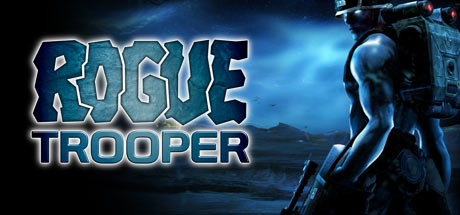
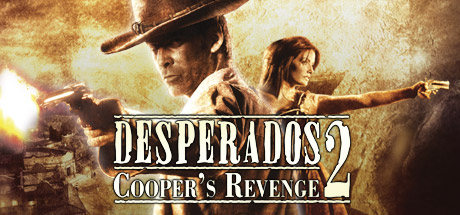
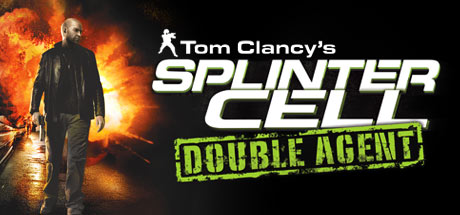

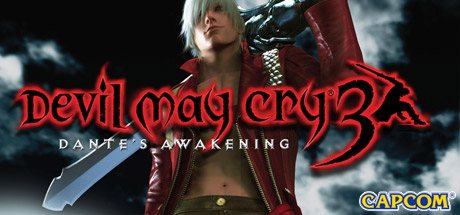






Match Dimensions Explained
❓Frequently Asked Questions
Why does Assassin's Creed: Director's Cut Edition feel so much like Akame ga Kill! despite being set in the Middle East?
It nails that same razor-sharp political thriller tension — think Najenda’s covert ops or Esdeath’s imperial machinations, but swapped for Altaïr navigating Templar conspiracies in Acre. The neon-noir lighting during rooftop chases and the constant moral weight of assassination choices (like killing a target who’s also a reformer) mirror Akame’s ‘justice vs. tyranny’ gut punches.
Is there an official Akame ga Kill! video game adaptation?
No — there’s never been an official Akame ga Kill! game. But fans who crave that vibe lean hard into Sacred Gold’s adult & dark seinen tone: imagine Tatsumi’s brutal first kill reimagined as your hero cleaving through blood-thirsty orcs in Ancaria, or the Night Raid hideout vibes echoing in its grim, janky-but-atmospheric worldbuilding.
How does Dark Messiah of Might & Magic compare to Vampire: The Masquerade – Bloodlines for Akame ga Kill! fans?
Dark Messiah leans into visceral, physics-driven action spectacle — think Bulat’s hammer swings or Akame’s Murasame slashes translated into bone-crunching Source Engine melee combos. Bloodlines trades that for slow-burn Neon Noir intrigue and adult & dark seinen roleplay, where your choices (like siding with a corrupt prince or a revolutionary coterie) hit with the same moral gravity as Leone’s betrayal or Mine’s sacrifice.
What’s the best game like Akame ga Kill! if I want that grim, stylish, emotionally raw vibe?
Alice: Madness Returns — hands down. Its Victorian London gloom and Wonderland’s beautiful-ghastly decay channel Akame’s tonal whiplash: one moment you’re in a quiet, heartbreaking flashback (like Akame remembering her village), the next you’re unleashing a flurry of blades in a surreal, neon-noir combat sequence that feels ripped from a Night Raid ambush. The player review even confirms it ‘works’ once you tweak the FPS cap — just like tuning into Akame’s emotional frequency.