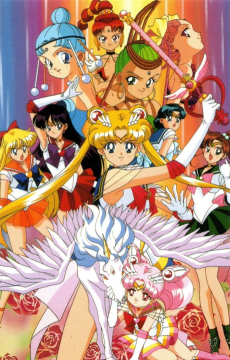
Sailor Moon SuperS
SuperS centers heavily on Chibi-usa and the Sailor Team. A new enemy, the Dead Moon Circus, has now appeared. Their motive is to find the Golden Dream Mirror that would be used to rule the world. To do this, the enemy attacks innocent victims for their Dream Mirrors and test their energy. Chibi-usa also has a new ally on her side, Pegasus. This season also sees the Sailor Senshi obtaining new powers.
📺Anime Details
📝Editorial Analysis
The first time Chibi-usa stands alone beneath the circus tent’s flickering lights—her pink hair catching the glow, Pegasus’s horn shimmering like a shard of captured moonlight—her voice doesn’t crack with fear. It holds. Not because she’s invincible, but because she’s finally seen: seen by her friends, seen by the dreamers whose mirrors she protects, seen by herself—not just as Usagi’s daughter or a liability, but as Sailor Chibi Moon, a guardian who chooses tenderness even when the Dead Moon Circus twists innocence into despair.
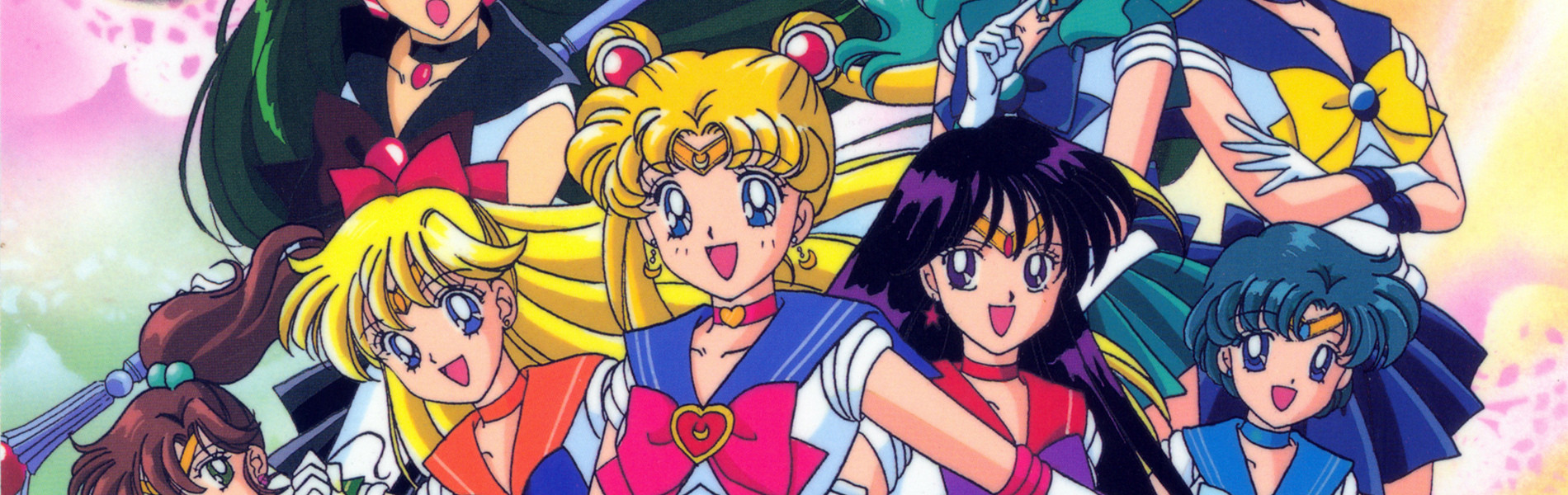
That’s the quiet thunder of Sailor Moon SuperS: it doesn’t trade in spectacle for its own sake. The action is urgent, yes—the Senshi’s new powers flare in bursts of gold and rose—but what lingers is the weight of dreaming. Every stolen Dream Mirror isn’t just a MacGuffin; it’s a child’s hope, a grandmother’s memory, a teenager’s unspoken longing, all made fragile and luminous. This season breathes in the space between childhood and selfhood—where “found family” isn’t a tagline but a lifeline stitched together through shared vulnerability, not just shared battles. It makes you feel tender, protective, awake to how much courage lives in small acts of faith: a hand extended, a promise kept, a mirror polished not to reflect perfection—but possibility.
Jade Empire™: Special Edition resonates in that same hushed, reverent key. Its description frames choice—not just combat style, but moral gravity—and its top dimension, Emotional Narrative, lands like a heartbeat. Player reviews mention needing technical workarounds to launch, yet still call it “fantastic”—a telling echo of SuperS’s own quiet defiance: beauty persisting despite friction, meaning carved out amid logistical chaos. Like Chibi-usa learning to trust her own intuition over inherited expectation, Jade Empire asks you to embody philosophy—not as doctrine, but as daily practice. Both treat romance and shoujo sensibility not as decoration, but as ethical architecture: love as discipline, devotion as resistance.
Persona 5 Royal pulses with the same dual rhythm—school days humming with unspoken tension, nights exploding into surreal, high-stakes catharsis. Its description names “build relations” alongside dungeon crawling and Persona fusion, mirroring how SuperS layers transformation sequences with intimate conversations on park benches or in crowded kitchens. A player review praises the “seamless transition between daily life and extraordinary stakes”—exactly how SuperS moves from Chibi-usa fretting over homework to standing before a nightmare-circus ringmaster, staff raised not just to fight, but to witness. Both understand that emotional power isn’t earned in cutscenes—it’s forged in the quiet accumulation of trust, in choosing to show up, again and again, for people who’ve been told their dreams are too soft to matter.
Dragon Age: Origins, though grounded in grittier lore, shares SuperS’s reverence for legacy as living inheritance. Its description asks: What will be said about the hero who turned the tide? Not “what did they win?” but “what did they embody?” That question haunts Chibi-usa every time she hesitates before a henshin—will she become the warrior her future demands, or the healer her heart insists she is? Player reviews note the “pause attack mechanic” helping “strategist your tactic”—a perfect metaphor for SuperS’s pacing: moments suspended mid-air, breath held, where empathy becomes tactical advantage. Romance here isn’t flirtation—it’s covenant. Like Sailor Mars’ quiet loyalty or Sailor Venus’ fierce, protective love, relationships in Origins deepen not through exposition, but through shared silence in war-torn taverns, through choices that cost something real.
This pairing sings for the viewer who cries during a transformation sequence—not because it’s flashy, but because they recognize the tremor in Chibi-usa’s hands as the same one they felt walking into their first real job, or holding a friend’s hand at a hospital, or saying “I love you” for the first time knowing it changes everything. It’s for the player who replays a dialogue tree not to optimize stats, but to hear that one line again—the one where the prince admits he’s afraid, or the Phantom Thief confesses they didn’t believe in justice until someone looked at them and knew. These stories don’t ask you to be strong. They ask you to be true. And in that truth—fragile, golden, unbreakable—you find your own Dream Mirror, waiting to be held, not hidden.
🎮39 Games That Match the Vibe
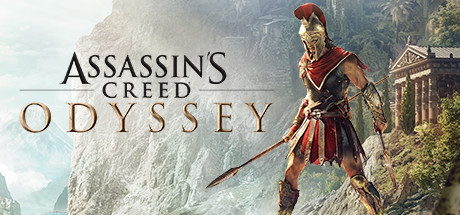
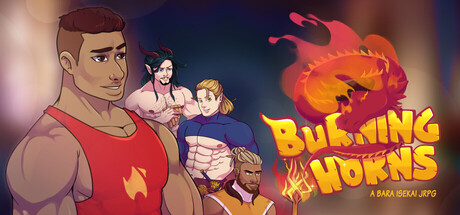
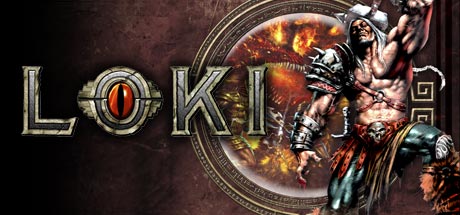






Match Dimensions Explained
❓Frequently Asked Questions
Why does Jade Empire feel so much like Sailor Moon SuperS despite having no magical girls?
It nails the same emotional core and shoujo-tinged romance you love in SuperS—especially with characters like Dawn Star and Sagitta, whose bonds mirror Usagi and Chibiusa’s mix of tenderness and fierce loyalty. The Mythology & Folklore dimension also echoes SuperS’s celestial themes, like the Celestial Plain’s dreamlike battles and the way choices shape relationships just like in the Black Moon Clan arc.
Is there a Sailor Moon SuperS game adaptation I can actually play?
No official Sailor Moon SuperS game exists—but Persona 5 Royal captures its spirit best: think Chibiusa’s growth mirrored in Ann Takamaki’s confidence arc, or the Phantom Thieves’ stylish rebellion echoing the Sailor Guardians’ unity against despair. Its JRPG Narrative and Romance & Shoujo dimensions hit that exact blend of heartfelt drama and glittering empowerment.
How is Prince of Persia different from Persona 5 Royal for someone who loves Sailor Moon SuperS vibes?
Prince of Persia leans into action spectacle and playful comedy—like the rooftop chases and witty banter between the Prince and Elika—whereas Persona 5 Royal delivers deeper emotional narrative and slow-burn shoujo romance (say, Ryuji’s loyalty quest or Futaba’s healing arc). Both have Romance & Shoujo, but PoP’s tone is more swashbuckling parody; P5R feels like hanging out in the Crown Café after a battle.
What’s the best game like Sailor Moon SuperS if I want that warm, hopeful, girl-power vibe?
Persona 5 Royal is your top pick—it’s got the same uplifting energy as SuperS’s finale, where friendship literally reshapes reality. You’ll feel that same rush when Morgana cheers you on, or when party members unlock new Personas during emotional breakthroughs—just like the Sailor Guardians powering up together under the moonlight.