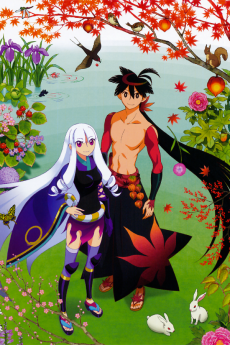
Katanagatari
Yasuri Shichika, seventh successor of the Kyotouryuu (bladeless) sword art, lives on an isolated island with his older sister, Nanami.
One day Shichika is visited by a woman named Togame, who requests his aid in her quest to find and collect the final twelve swords forged by the legendary master swordsmith, Shikizaki Kiki. Shichika and Togame begin their odyssey by leaving the island he called home for over 20 years. They will face twelve individuals who possess and protect Shikizaki's legendary swords.
Join Shichika and Togame on an exciting, epic adventure that defies reality as they discover the true potential of the Kyoutoryuu sword style!
(Source: NIS America)
📺Anime Details
📝Editorial Analysis
The dust motes hang suspended in the afternoon light as Shichika’s bare hand closes around the hilt of a sword he will never draw—his fingers brushing cold steel not to wield, but to refuse. He stands on the dock, wind tugging at his sleeves, watching the boat carry Togame away—not toward battle, but toward a truth neither of them named yet. That stillness, that unbearable weight of motionless choice: it’s the first real breath of Katanagatari, and it never lets go.
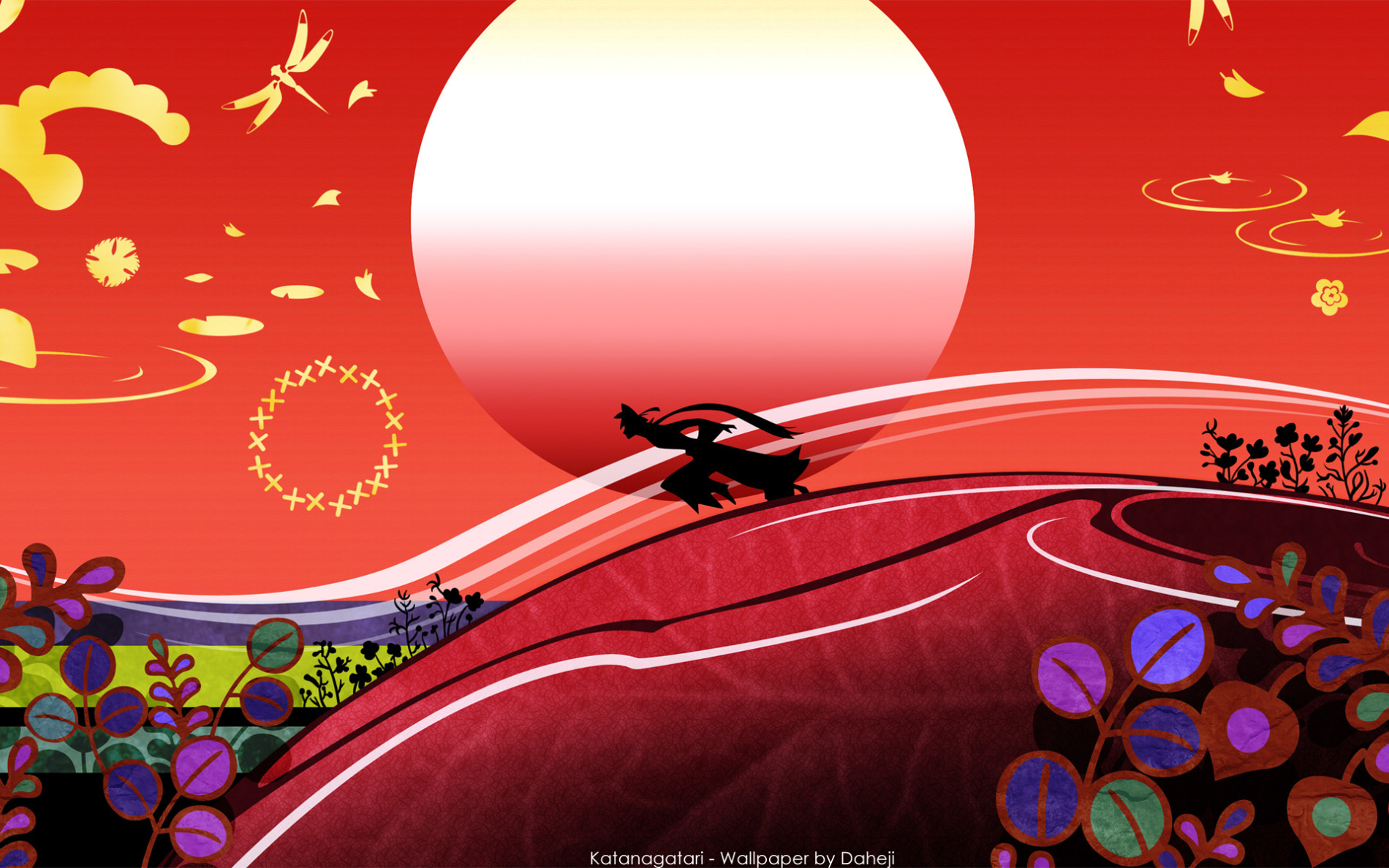
This isn’t swordplay as spectacle—it’s swordplay as silence before fracture. The show doesn’t pulse with adrenaline; it hums with the low, resonant ache of time passing through people. Every temple courtyard, every rain-slicked road, every pause between Togame’s quiet directives and Shichika’s unblinking obedience feels like walking through a memory you didn’t live but recognize—a historical dream soaked in melancholy, where revenge isn’t a flame but a slow erosion, and romance isn’t confession, but the shared exhaustion of carrying the same unspoken grief. You don’t watch Katanagatari to win. You watch to witness the cost of continuity—how honor calcifies, how loyalty bends under the weight of twelve swords, how love becomes a language spoken only in glances and deferred departures.
That emotional gravity finds echoes—not in flashy combat systems or polished narratives—but in games where action is framed by melancholic exploration. Sacred Gold, for all its jank and instability (“Full of jank, bugs and is not very stable on modern systems…”), mirrors Katanagatari’s atmosphere in its crumbling kingdoms and weary traversal. Its “shadow of evil” doesn’t roar—it settles, like fog over ruins, demanding not just fighting, but endurance. You slog through orc-haunted valleys not for glory, but because the map insists you keep moving—just as Shichika walks, year after year, because Togame asked, and because stopping would mean confronting what waits in the silence behind him.
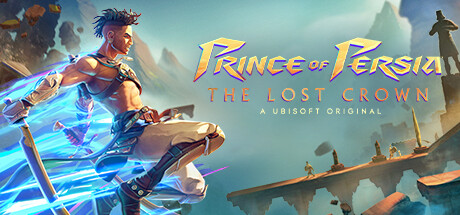
Then there’s Prince of Persia, whose reboot trades sand magic for something quieter: “a new prince, new lands and a brand new story completely separate from the sands…” That deliberate separation—that sense of stepping into history already half-erased—resonates deeply. Like Shichika leaving his island after twenty years, the Prince moves through architecture heavy with vanished empires, solving puzzles that feel less like challenges and more like recovered fragments of a lineage he barely understands. The game’s “Melancholic Exploration” dimension isn’t background flavor—it’s structural. Every corridor you clear echoes with absence, just as every sword Shichika collects leaves a hollow where a person used to stand.
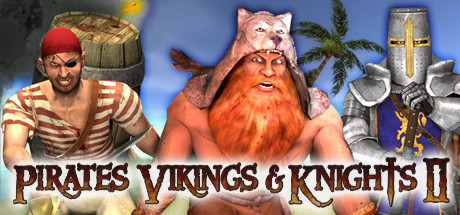
Even the absurdity of Pirates Vikings & Knights II carries a thread of this DNA—not in tone, but in ritual. Its “three-way war for honor, glory, and gold” isn’t chaotic for chaos’ sake; it’s a looping, almost ceremonial conflict, sustained by community (“u gotta join the discord and connect to actual servers to get a good round…”). That devotion to an imperfect, living tradition—where balance is broken but the spirit persists—mirrors how Kyotouryuu endures not through victory, but through repetition: Shichika’s stance, again and again, empty-handed, against blades that demand blood. The laughter in PVK II isn’t dismissive—it’s protective, the kind of levity that keeps tragedy from collapsing under its own weight.
You’d love these pairings if you’ve ever paused mid-fight scene—not to admire the choreography, but to wonder what the victor’s hands feel like afterward. If you replay a boss battle not for mastery, but to sit longer in the space between strikes. If you reread a letter in a game not for plot, but for the tremor in the handwriting. This is for the ones who don’t skip cutscenes—they linger on the way light catches a character’s eye after they’ve said something final. Who understand that the most devastating moment in Katanagatari isn’t a duel, but Shichika folding his sister’s haori, smoothing the fabric like it might hold her warmth a little longer. Who play games not to conquer worlds—but to walk through them, slowly, listening for the echo of what’s been left behind. That’s the shared breath: stillness, weight, returning.
🎮33 Games That Match the Vibe





Match Dimensions Explained
❓Frequently Asked Questions
Why is Sacred Gold listed as similar to Katanagatari when it's so janky and unstable?
Great question — it’s not about polish, but *vibe*: Sacred Gold nails Katanagatari’s melancholic exploration and action-spectacle rhythm, especially in its quiet, rain-soaked ruins and slow-burn confrontations with towering orcs and brooding undead lords — much like how Katanagatari lingers on blade-drawn silences before explosive duels. The jank? Yeah, it’s real (players call out crashes and bugs), but that raw, unrefined intensity mirrors Katanagatari’s handmade, theatrical energy — think Shichika’s fights: flawed, physical, and deeply atmospheric.
Is there a Katanagatari video game adaptation?
No — there’s never been an official Katanagatari game, anime tie-in or otherwise. That’s why fans lean into titles like Prince of Persia (2008 reboot) for its similarly poetic swordplay, tragic romance, and dreamlike desert-and-ruin exploration — especially the way the Prince and Elika move together, echoing Shichika and Togame’s charged, dialogue-heavy journeys. It’s the closest we’ve got to a playable ‘Katanagatari mood’.
How does Pirates Vikings & Knights II compare to Team Fortress Classic for Katanagatari fans?
PVKII leans harder into Katanagatari’s *comedic parody* and *action spectacle*: its over-the-top class taunts, absurd weapon physics (like Viking axe throws that send enemies flying like ragdolls), and three-way faction rivalry echo the show’s satirical edge and choreographed chaos — think Niiro’s flamboyant theatrics or Emonzaemon’s gadget gags. TFC is more nostalgic and class-driven, but PVKII’s chaotic, personality-first brawling (and that Discord-maintained server life) feels closer to Katanagatari’s tonal whiplash.
What’s the best game like Katanagatari if I want that melancholic, story-heavy sword journey vibe?
Go straight to Prince of Persia (2008) — it’s got the brooding, lyrical pacing, the weighty swordplay where every parry matters, and that haunting sense of lost time and fading kingdoms, just like Katanagatari’s pilgrimage across Japan. Elika’s quiet presence and the Prince’s reluctant heroism mirror Togame and Shichika’s dynamic, and the game’s ruined temples and wind-swept cliffs deliver the same melancholic exploration you love — no loot grind, just atmosphere and meaning.