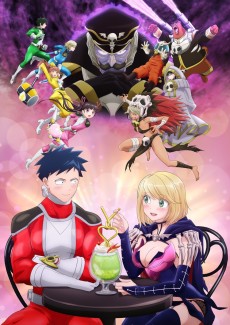
Love After World Domination
It’s love at first sight for Fudo and Desumi, except it was during a battle of life and death. Fudo, leader of the hero squad Gelato 5, and Desumi, the Death Queen of the evil society Gekko, have found themselves caught in a forbidden love—and it’s their first relationship! Moving in secrecy, they live holding hands with one weapon in the other, finding out what’s truly fair in love and war.
(Source: Crunchyroll)
📺Anime Details
📝Editorial Analysis
The snap of Desumi’s henshin belt clicking shut—right as Fudo’s Gelato 5 visor flickers to life inches from her face, their foreheads almost touching mid-battle, breaths uneven, weapons still raised but fingers already brushing—that is the heartbeat of Love After World Domination. Not the explosion behind them, not the Gekko goons freezing mid-lunge, but that suspended half-second where love isn’t whispered—it’s loaded, chambered, and aimed straight at the heart of every rule they’ve ever sworn to obey.

This anime doesn’t trade in irony—it trades in tenderness under pressure. It makes you feel the absurd weight of sincerity when your first kiss happens between stunts, when “I love you” lands like a perfectly timed dodge-roll, when loyalty and longing share the same oxygen. It’s not parody of tokusatsu—it’s parody in service of devotion: the genre’s rigid codes (evil lairs, hero poses, transformation sequences) become tender scaffolding for two people learning how to hold hands while holding blades. You don’t laugh at the tropes—you laugh with them, because the show treats each one like a sacred, slightly ridiculous ritual both characters are earnestly trying to get right. It makes you think about how love, especially young love, is never pure signal—it’s always static, interference, a glitch in the system you’re supposed to run flawlessly. And yet—they keep transmitting.
That exact energy—the high-wire act of emotional sincerity wrapped in cartoonish spectacle—pulses through Team Fortress Classic. Its nine wildly distinct classes don’t just fight; they perform: the Spy’s cigarette twirl before vanishing, the Heavy’s bear-hug taunt mid-gunfire, the Medic’s frantic, almost desperate healing chant—all delivered with zero winking irony, all treated as vital, dignified roles in a war that’s equal parts lethal and ludicrous. Just like Fudo and Desumi, these characters commit fully to their archetypes—even as the world around them collapses into slapstick chaos. A player says it outright: “simply the best nostalgic game, i have dreams about this game.” That’s not just memory—it’s emotional muscle memory, the same ache Love After World Domination taps into: the feeling of falling for something so gloriously, unapologetically extra, you dream in its logic.
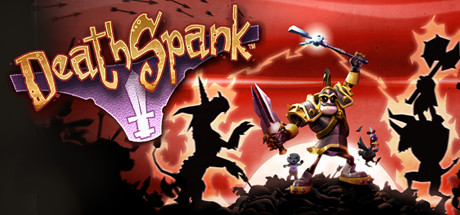
Then there’s DeathSpank: Thongs of Virtue, whose description calls it “one of the funniest action-RPGs to date!”—and whose player review nails the vibe: “Another romp of misadventure through a kingdom to bring about the second coming of justice.” That phrase—second coming of justice—is pure Love After World Domination: grandiose, slightly unhinged, utterly sincere. DeathSpank doesn’t wink at his own absurdity—he embodies it, swinging his sword like it’s both a weapon and a wedding vow. His quest is ridiculous, his armor is ridiculous, his moral compass spins like a top—and yet, he means every syllable. Like Desumi declaring herself the Death Queen while secretly folding origami hearts, or Fudo reciting Gelato 5’s oath while mentally rehearsing how to ask her out. The humor isn’t at the heroism—it’s woven into it.
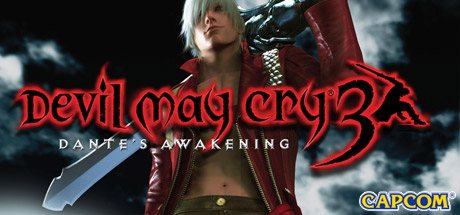
Even Devil May Cry® 3 Special Edition, with its “awful port fantastic game” review, shares that DNA—not in tone, but in rhythm. Dante’s combat isn’t just flashy; it’s flirtatious: taunting demons, striking poses mid-air, turning annihilation into a dance. His entire existence is a paradox—graceful and grotesque, tragic and hilarious, deadly serious about style. When he flips over a demon’s shoulder and winks before unleashing Rebellion, it’s the same emotional math as Desumi flipping her hair mid-battle cry—look at me, look at what I am, look at what I’m risking for you. The game’s review calls it “fantastic”—not despite the chaos, but because of how fully it commits to its own glorious, over-the-top truth.
This pairing isn’t for fans of “light romance” or “funny action.” It’s for the ones who tear up when a character tries too hard, who feel their chest tighten when someone delivers a line with absolute conviction—even if it’s about saving the world or stealing a kiss between laser blasts. It’s for players who still dream about Team Fortress Classic, who quote DeathSpank’s nonsense like scripture, who replay Devil May Cry 3 just to hear Dante laugh mid-combo—and who, watching Fudo and Desumi press their palms together while their transformation lights strobe across each other’s faces, whisper, “Yes. Exactly like that.”
🎮15 Games That Match the Vibe




Match Dimensions Explained
❓Frequently Asked Questions
Why does Love After World Domination remind me so much of Devil May Cry 3’s over-the-top demon fights and sarcastic banter?
It’s that same razor-sharp blend of stylish action spectacle and self-aware comedy—like when Dante flips off a boss mid-combo or cracks a one-liner while juggling enemies, just like Fudo and Ririchiyo trading absurdly dramatic declarations mid-battle. Devil May Cry 3 Special Edition (74) nails that tone with its multiple fighting styles, flamboyant setpieces, and characters who treat apocalypses like improv night.
Is there an anime adaptation of Team Fortress Classic like Love After World Domination has?
Nope—Team Fortress Classic (78) has *never* gotten an anime, despite its iconic cast (Medic’s mad science, Spy’s trenchcoat shenanigans, Heavy’s ‘I kill you!’ bravado) and cult-comedy energy that feels ripped from a rom-com shonen. Love After World Domination’s anime is what fans *wish* TFC had—complete with team-based chaos and wink-at-the-camera humor.
How does DeathSpank: Thongs of Virtue compare to Love After World Domination in terms of goofy romance and action?
Both lean hard into parody and heartfelt absurdity—but where Love After World Domination swaps world domination for love confessions, DeathSpank (78) swaps saving the world for hunting magical underwear, complete with quest-giver NPCs who flirt as badly as Ririchiyo’s henchmen. Its art style, loot-driven quests, and 'second coming of justice' vibe mirror the show’s commitment to sincerity wrapped in utter silliness.
What’s the best game like Love After World Domination if I want that same hype, laugh-out-loud energy and zero chill?
Go straight to Prince of Persia (78)—not the sand-timed classics, but the 2008 reboot with its parkour-fueled momentum, banter-heavy duo (Prince + Elika), and villains who monologue like supervillains at a poetry slam. It’s got the same breathless action spectacle and comedic timing as Love After World Domination’s fight-to-flirt sequences, minus the romance but max on charm and swagger.