
Project: Snowblind
Experience the dramatic intensity of the frontlines of a war through the eyes of the first of a new breed of super soldiers in this gritty and epic first-person action game. An augmented super-soldier must stop a renegade regime from eradicating the civilized world. Hong Kong, 2065. 2nd Lt.
🎮Game Details
💬What Players Say
"[h1] Project: Snowblind? Nah, Project Comedy Times! [/h1] It's a huge shame Ross didn't cover this game in his Game Dungeon series, because its quite entertaining how little this game has with Deus Ex franchise, even though this game was meant to be a spinoff title in the same universe...."
"Classic FPS with lots of player mods and weapons, fun story line, and great sound"
"It crashes when I pilot the machine gun and only checkpoint save (I mean, you have to find a save point), so you lose progress. It aged poorly. The gunplay is terrible, it has no punch, and feels you're holding your rifle under your armpit."
📝Editorial Analysis
The flicker of neon bleeding through rain-slicked Hong Kong alleyways—2065, but already fraying at the seams—hits you before the first shot. You’re not just in the war; you’re its first augmented pulse, a 2nd Lt. strapped into something that hums with borrowed strength and brittle purpose. The official description doesn’t say “gritty” as window dressing—it’s the texture of your boots on cracked ferrocrete, the low thrum of your own augments syncing under your ribs, the weight of a world already collapsing while you sprint toward the detonation point. And then—crash. Not the explosion, but the game itself: mid-machine-gun turret sequence, screen black, progress vaporized. That’s not a bug you shrug off. It’s the game’s raw nerve exposed—frustration, yes, but also urgency, impermanence, the sense that nothing—not your upgrades, not your save points, not even the infrastructure holding up this city—is truly stable.


That’s the feeling Project: Snowblind leaves in your throat: unmoored intensity. Not polished spectacle, not seamless power fantasy—but the visceral, slightly ragged sensation of being inside a crisis that’s too big to control and too immediate to ignore. It’s less about winning and more about holding the line while everything recalibrates around you. The gunplay might feel hollow (“no punch”, one reviewer laments), but that hollowness mirrors the dissonance of being engineered for war in a world that’s already lost its moral firmware. The checkpoint saves aren’t just archaic—they’re existential: you don’t earn continuity; you beg for it, stumble upon it, lose it again. That’s not poor design—it’s tone made mechanical. You don’t feel like a hero. You feel like a node in a failing network, trying to reboot while the fire spreads.
Redline shares that same breathless, unstable velocity. Its world isn’t built—it’s hurled together: chrome bikes scream across planets held together by duct tape and sheer will, gravity bends because the story needs it to, and every frame vibrates with the knowledge that beauty and annihilation are racing neck-and-neck. Like Project: Snowblind’s Hong Kong, Redline’s universe is cyberpunk not as aesthetic but as condition—a dystopia so saturated with speed and overload that coherence is the first casualty. Both make you feel the thrill of near-collapse, where every win tastes like borrowed time.
Final Fantasy VII: Advent Children lives in that same scorched-earth elegance. Midgar isn’t just ruined—it’s haunted, its spires choked with mako mist and memory. Cloud moves like someone whose body remembers battles his mind has buried; his augments (the SOLDIER legacy, the geostigma scars) aren’t upgrades—they’re wounds wearing armor. The game’s stilted gunplay echoes Advent Children’s fight choreography: heavy, deliberate, almost reluctant—power that costs more than it delivers. Both ache with the weight of what’s been taken, not just what’s at stake. There’s no clean victory here—just survival stitched back together with grief and stubborn grace.
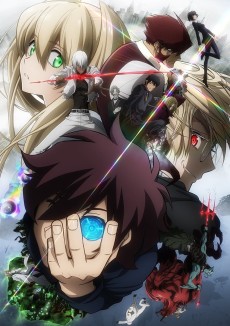
Kaiba, quieter but no less devastating, completes the triad. Its world isn’t blown apart by war but reconfigured—bodies swapped, memories auctioned, cities grown from organic circuitry. Like Project: Snowblind’s unnamed super-soldier, Kaiba’s protagonist wakes into a system he doesn’t understand, his identity fragmented across data and flesh. The dimness isn’t visual—it’s ontological. Both force you to ask: when your limbs are prosthetic, your memories editable, your loyalty programmable—what part of you is still yours? That quiet, persistent uncertainty hums beneath Kaiba’s surreal landscapes and Snowblind’s flickering HUD alike.
This pairing isn’t for the player who wants flawless execution or the viewer who craves tidy catharsis. It’s for the one who gets chills when a soundtrack swells just as the engine fails, who leans in when a character’s voice cracks mid-sentence—not from weakness, but from having carried too much, too long. It’s for the person who finds poetry in corrupted files, beauty in glitched textures, and profound humanity in systems that refuse to hold together. They’re the ones who’ll replay that crashed turret sequence three times—not to beat it, but to feel, again, that electric, unmoored second before the world drops out.
→39 Anime That Match the Vibe

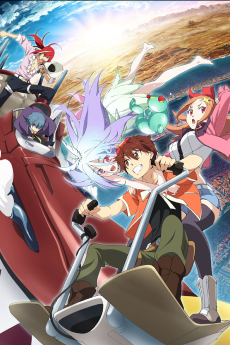
JP’s neon-drenched, gravity-defying crash through Redline’s desert wasteland mirrors Snowblind’s augmented soldier sprinting across war-torn cyberpunk cityscapes—both hurtling through hostile, hyper-stylized dystopias where speed is survival. Unlike most sci-fi action, neither pauses for exposition: Redline’s single-movie intensity and Snowblind’s relentless frontline pacing fuse adrenaline with world-weariness. That shared cyberpunk & dystopia grit—gritty metal, flickering holograms, bodies pushed past human limits—makes their kinetic despair feel startlingly, exhilaratingly coherent.

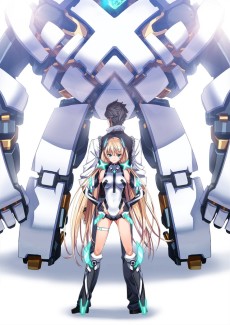
Cyberpunk’s rain-slicked neon gloom clings to both Snowblind’s ruined cityscapes and Kazane Hiyori’s clockwork-obsessed isolation in *The Angeloid of Clockwork*. Where the game weaponizes augmentation for brutal frontline survival, the film fractures it into fragile, ticking intimacy—Kazane’s mechanical heart isn’t armor but vulnerability, echoing Snowblind’s super-soldier not as invincible icon but as haunted conduit. This shared dystopian sci-fi tension—between control and collapse, machine and memory—makes their resonance startlingly tender.

Both dive into neon-soaked futures where technology blurs the line between human and machine.
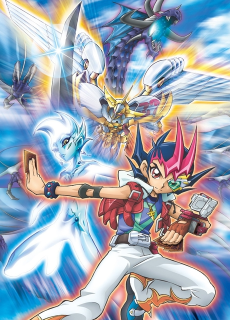
Both dive into neon-soaked futures where technology blurs the line between human and machine.
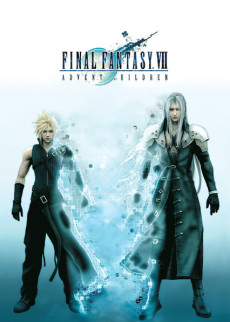
Neo’s rain-slicked, neon-drenched trench warfare in *Project: Snowblind* echoes the corroded urban decay of Midgar’s slums in *Advent Children*—both drenched in cyberpunk & dystopia. Where Cait Sith’s fragmented loyalty mirrors Neo’s fractured identity as an augmented soldier, the Geo-stigma’s bodily corruption parallels the game’s neural degradation mechanics. Surprisingly, their shared sci-fi grit grounds existential dread not in spectacle alone, but in how war and illness warp the human form from within.
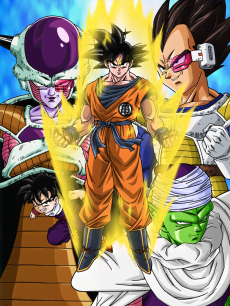
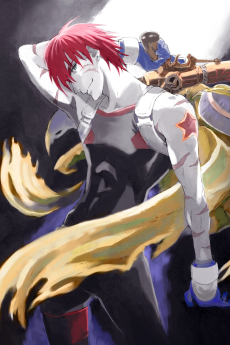
Cybernetic dread hums through Snowblind’s neon-drenched ruins just as it crackles in DBZ Kai’s Saiyan Saga—where Vegeta’s armor gleams with cold, alien tech amid Earth’s crumbling cities. Unlike most shonen remasters, Kai’s tighter pacing and restored manga fidelity mirror the game’s lean, augmented-soldier focus: no filler, only escalating stakes across dystopian landscapes. This resonance isn’t superficial—it’s the shared weight of bodies rebuilt for war, where sci-fi augmentation becomes both weapon and wound.
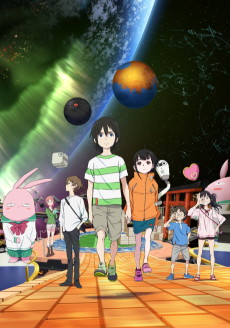
Both dive into neon-soaked futures where technology blurs the line between human and machine.

Vash’s scarred, sun-bleached face—framed by crumbling desert megacities in *TRIGUN STAMPEDE*—mirrors the war-ravaged urban canyons where Snowblind’s augmented soldiers stalk neon-drenched ruins. Unlike most cyberpunk tales fixated on corporate control, both anchor their dystopia in bodily augmentation: Vash’s biomechanical arm and Snowblind’s neural-linked supersoldiers turn flesh into contested terrain. That shared tension—between human fragility and coercive sci-fi enhancement—makes their resonance unexpectedly philosophical, not just aesthetic.

Kaiba’s hollow-eyed protagonist, staring at his own fragmented memories in a flickering data-morgue, mirrors Snowblind’s disoriented super-soldier waking mid-battle with neural implants screaming—both trapped in bodies they no longer recognize. Where Snowblind weaponizes cybernetic augmentation for war, Kaiba dissects its existential cost in a dystopian data-market where identity is rented, not owned. Their shared cyberpunk & dystopia isn’t just aesthetic—it’s a shared wound: the horror of consciousness unmoored from flesh.

Magnetic Rose’s derelict space station—where memories bleed into reality—mirrors Snowblind’s neural-implant glitches that fracture time and identity. Where Snowblind’s augmented soldier battles corporate-controlled war zones in 🌆 Cyberpunk & Dystopia, Magnetic Rose weaponizes nostalgia as a lethal architecture of grief. This resonance isn’t just aesthetic—it’s structural: both trap protagonists inside systems that weaponize their own minds, making the dystopia deeply, terrifyingly personal.








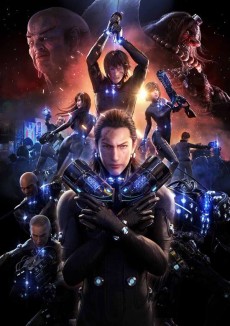







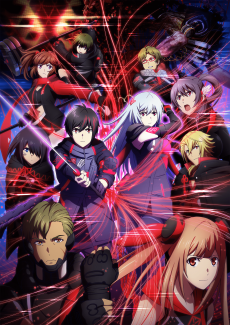
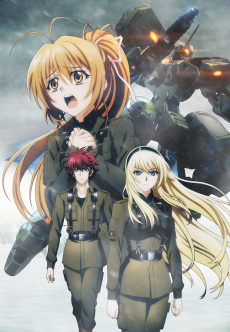
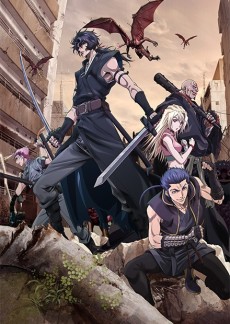
Match Dimensions Explained
❓Frequently Asked Questions
Why is Redline on the 'Anime Like Project: Snowblind' list when it's all about racing?
Great question—it’s not about the racing! Redline nails the same gritty, neon-drenched cyberpunk Hong Kong vibe as Snowblind’s 2065 setting, especially in its dystopian undercity scenes and augmented-body aesthetics (like Machine Head’s cybernetic limbs). Both lean hard into sci-fi warfare tension too—Redline’s climax with the Chronos Corporation’s orbital weapons feels like a direct cousin to Snowblind’s renegade regime threatening global annihilation.
Is there an anime adaptation of Project: Snowblind?
Nope—no official anime adaptation exists. Snowblind was a 2005 FPS game by Crystal Dynamics (yes, the same studio behind Legacy of Kain), and it never got an anime spin-off. But if you’re craving that same tone, Heaven’s Lost Property the Movie: The Angeloid of Clockwork delivers with its floating city ruins, rogue AI factions, and that haunting scene where Ikaros fights amid crumbling skyscrapers—very much channeling Snowblind’s ‘augmented soldier vs. collapsing civilization’ energy.
How does Final Fantasy VII: Advent Children compare to Project: Snowblind?
They’re spiritual siblings: both feature elite augmented soldiers (Cloud’s SOLDIER enhancements / Snowblind’s 2nd Lt. protagonist) battling a corrupt regime in a rain-slicked, decaying metropolis—Midgar’s Sector 5 slums mirror Snowblind’s Hong Kong warzones shot-for-shot. And just like Snowblind’s machine-gun-heavy firefights, Advent Children’s highway battle has that same visceral, close-quarters chaos—especially when Cloud dodges gunfire while leaping between wrecked vehicles.
What’s the best anime like Project: Snowblind for that tense, grounded military-sci-fi vibe?
Kaiba is your best bet—if you want that slow-burn, morally grey, tech-rotting-from-within feeling. It’s got no flashy battles, but its memory-swapping dystopia and Kaiba’s quiet desperation as he navigates a world where bodies are disposable? That’s pure Snowblind soul: same cyberpunk dread, same sense of being a lone augmented agent in a broken system. Plus, the grimy, hand-painted cityscapes feel like concept art pulled straight from Snowblind’s 2065 Hong Kong.