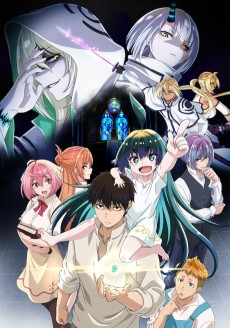
KamiKatsu: Working for God in a Godless World
As heir to a cult leader, Yukito centers his life around the mysterious goddess Mitama. But everything changes after he’s killed during a ritual gone wrong. To his surprise, Yukito is reborn into a world with no concept of god! And in this world, life and death are decided by the Imperial State. As Yukito fights to protect his new village, someone from his past life lends a helping hand.
(Source: Crunchyroll)
📺Anime Details
📝Editorial Analysis
The scent of burnt incense hangs thick in the air—not sacred, not ceremonial, but wrong, like a lit candle left too long in a sealed room. Yukito’s fingers tremble as he kneels before Mitama’s statue, his forehead pressed to cold stone, reciting prayers that no one else in this world has ever heard. Then—crack—a ritual blade slips. Blood blooms across white robes. His last thought isn’t fear or regret, but the quiet, gut-deep dissonance of a god vanishing mid-sentence.
That moment isn’t just death—it’s ontological whiplash. KamiKatsu: Working for God in a Godless World doesn’t treat divinity as power or spectacle. It treats it as grammar: the unspoken syntax by which Yukito understood cause, consequence, meaning. In the Imperial State, life and death are bureaucratic. Souls aren’t weighed—they’re filed. Gods don’t answer; they’re erased from history’s index. The satire isn’t in mocking faith—it’s in showing how devastatingly lonely it is to speak a language no one remembers how to parse. You don’t feel awe here—you feel vertigo, the kind that hits when your moral compass spins wildly because the north star was quietly decommissioned centuries ago.
That disorientation—the shattering of inherited cosmology—is why BioShock Infinite resonates so sharply. Its description names Booker DeWitt as “indebted to the wrong people,” hunted across fractured realities where Elizabeth is both prisoner and key—but the player review nails the emotional core: “I know that some people are still bitter about the Bioshock Infinite we could have gotten.” That bitterness isn’t about plot holes—it’s about recognition. Like Yukito, Booker walks worlds where belief systems collapse under their own weight: Columbia’s zealotry, the Luteces’ quantum fatalism, the horror of realizing your savior is also your jailer. Both stories force you to hold two truths at once: that gods (or ideologies) feel real in your bones—and that they’re utterly, terrifyingly optional to everyone else.
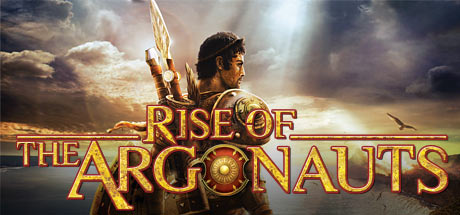
Then there’s Rise of the Argonauts, whose description frames Jason’s grief as a mythic engine: “When she was killed on their wedding day, he vowed to do anything to restore her life.” Not justice. Not vengeance. Restoration. That same desperate, almost theological insistence on reversing rupture pulses through KamiKatsu—Yukito doesn’t just want to survive his rebirth; he wants to re-sanctify the profane. The player review says, “If you love games based on ancient history this one does it right…” But it’s not the accuracy that connects—it’s the weight of legacy. Jason carries Iolcus in his posture; Yukito carries Mitama in his silence. Both men move through worlds that have moved on, dragging relics no one else recognizes.
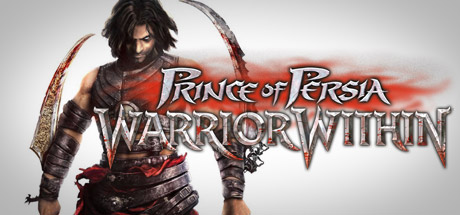
And Prince of Persia: Warrior Within—with its Dahaka chase, its “immortal incarnation of Fate” hunting the Prince across time—mirrors KamiKatsu’s most chilling motif: consequence without context. Yukito isn’t chased by demons—he’s haunted by the sheer inertia of his past life’s logic. The Dahaka doesn’t speak; it corrects. So does the Imperial State’s machinery. The player review calls the chase “goated”—not because it’s flashy, but because it’s inescapable, a physical manifestation of narrative gravity. When Yukito tries to pray in a world that doesn’t track prayer, it’s the same breathless, cornered feeling as sprinting down crumbling Babylonian corridors while time itself claws at your heels.
This isn’t about liking “gods” or “time travel” as tropes. It’s about loving stories where meaning is unstable terrain. Where every ritual feels like shouting into a canyon that’s been paved over. Where the most violent act isn’t a sword strike—it’s the quiet realization that your deepest convictions are now classified as folklore. You’d love these pairings if you’ve ever reread a childhood prayer and felt it suddenly hollow—or paused a game mid-quest, stared at the HUD, and wondered: Who decided this meter mattered? If you get chills not from epic battles, but from the sound of a temple bell ringing in a city that’s forgotten what temples are for—if you crave that specific, aching clarity when the sacred and the systemic collide—then you’re already living inside this resonance. No exposition needed. Just the incense. The blood. The silence after the name is spoken and no one answers.
🎮23 Games That Match the Vibe

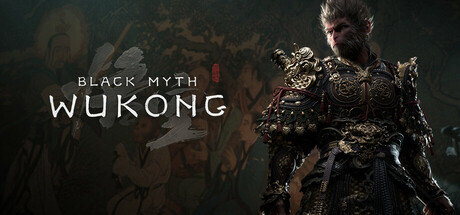
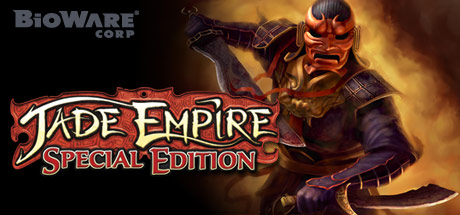
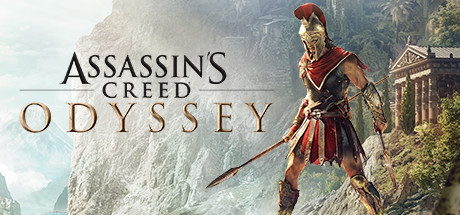
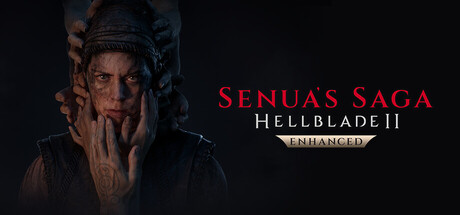

Match Dimensions Explained
❓Frequently Asked Questions
Why does KamiKatsu’s ‘Godless World’ vibe match so well with BioShock Infinite?
Because both dive deep into fractured faith, ideological collapse, and the weight of divine absence—Booker’s guilt-ridden journey through Columbia mirrors KamiKatsu’s protagonist navigating a world where gods are silent or dead. The ‘Time & Memory’ and ‘Adult & Dark Seinen’ dimensions overlap hard: Elizabeth’s tears rip open realities just like KamiKatsu’s theological paradoxes, and that haunting final baptism scene? Pure existential reckoning—same emotional gut-punch as KamiKatsu’s chapel confrontations.
Is there an anime or manga adaptation of KamiKatsu?
No official anime or manga adaptation exists yet—but if you’re craving that same mythic weight and moral ambiguity, Rise of the Argonauts nails it. Jason’s grief-fueled quest to resurrect Medea using forbidden divine relics feels like KamiKatsu’s tone translated into Greek tragedy: morally gray choices, real consequences, and that player review calling it 'right' for ancient-history lovers? Spot on—it’s KamiKatsu’s spiritual cousin in mythological gravity.
How is Prince of Persia: Warrior Within different from KamiKatsu in handling time-based guilt?
Warrior Within weaponizes time as trauma—Dahaka isn’t just chasing you; he’s the physical manifestation of the Prince’s past sins, literally breathing down your neck during those frantic rooftop chases. KamiKatsu deals with divine accountability instead of personal karma, but both use time mechanics to force confrontation: the Prince’s rewind lets him dodge death, while KamiKatsu’s ‘Confession Loop’ forces repeated moral choices in the same ruined chapel—same claustrophobic intensity, different theology.
What’s the best game like KamiKatsu if I want something dark, fast-paced, and steeped in time-bending dread?
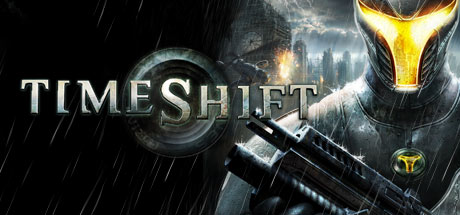
TimeShift™ is your pick—tight 4-hour rush where Dr. Krone warps time mid-combat to freeze enemies, reverse bullets, or rewind his own death. It shares KamiKatsu’s ‘Time & Memory’ + ‘Cyberpunk & Dystopia’ dimensions, and that community tip about patching it for stability? Worth it—because when you’re dodging sentinels in a glitching neo-noir city while time stutters around you, it *feels* like KamiKatsu’s prayer-chanting turning into a digital fever dream.