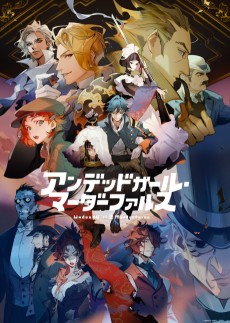
Undead Murder Farce
The 19th century — a world inhabited by vampires, golems, werewolves and other paranormal creatures. Immortal beauty and disembodied head Aya Rindo, along with half-human-half-demon "Demon Killer" Tsugaru Shunichi and her loyal maid Shizuku Hasei, travels through Europe as supernatural detective "The Cage User," solving supernatural mysteries while she searches for her lost body.
(Source: Crunchyroll)
📺Anime Details
📝Editorial Analysis
The cobblestones of Prague glisten under a bruised twilight—not with rain, but with the slow, viscous seep of ichor from a golem’s cracked clay jaw. Aya Rindo floats just above it, her severed head suspended in midair, eyes calm, lips parted mid-sentence as she dictates a deduction to Tsugaru, who kneels beside the corpse, his demon-bloodied hand brushing ash from a 17th-century grimoire’s torn spine. Shizuku stands motionless behind them, umbrella tilted just so—not against weather, but against the weight of centuries pressing down. There is no music. Just the low hum of a dying streetlamp and the silence between heartbeats when immortality becomes less a gift than a ledger you can’t balance.
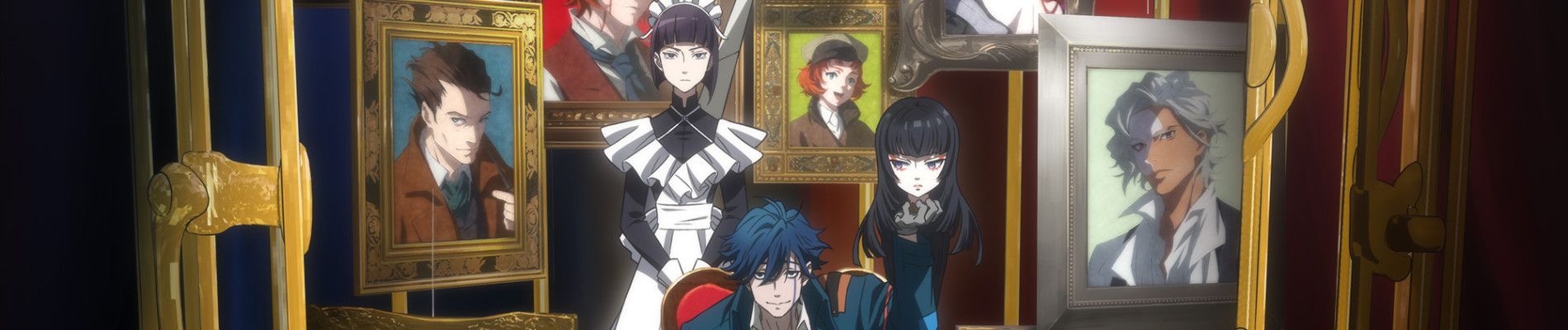
That silence is the soul of Undead Murder Farce—not the flash of fangs or the spectacle of transformation, but the melancholic exploration of identity as architecture: what holds you upright when your body is missing, your lineage fractured, your very species a contested archive? It’s not horror for shock, but sorrow worn like a well-tailored coat—stiff at the shoulders, lined with velvet-lined pockets full of letters never sent. The 19th-century Europe here isn’t backdrop; it’s a palimpsest—layers of empire, folklore, and scientific hubris bleeding through gaslight and grave soil. You don’t solve mysteries to win. You solve them to delay the unraveling—of memory, of self, of the fragile truce between monster and man.
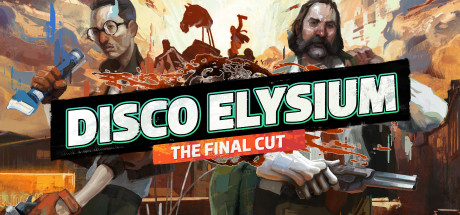
That same ache lives in Disco Elysium - The Final Cut, where every dialogue branch feels like digging through your own skull with a teaspoon. Its description calls it a “groundbreaking role playing game” built on interrogation and city-carving—but what resonates is the melancholic exploration: the way Harry DuBois walks through Revachol’s rain-slicked alleys not as a hero, but as a man whose thoughts have declared civil war on themselves. One player review quotes capital’s cruel irony—how critique folds back into the system—but that’s precisely Aya’s condition: a detective solving crimes in a world that produced her dismemberment as policy, as taxonomy, as literature. Both refuse catharsis. They offer only the dignity of asking the right question—even if the answer dissolves before it lands.
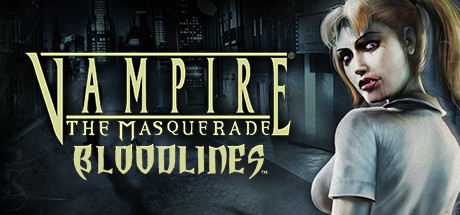
Then there’s Vampire: The Masquerade - Bloodlines, with its dark fantasy and body horror & occult dimensions. Its description promises “brutal combat” and “graphical richness,” but the real kinship is in the physicality of wrongness—the way your character’s reflection flickers, how hunger twists syntax mid-sentence, how a single failed Discipline roll might leave your vampire vomiting black bile onto a Venetian mosaic. That’s Tsugaru’s half-demon reality: power that itches, that demands accounting in flesh. A player review insists you must “BUY IT ON GOG” for stability—because even the game’s infrastructure feels haunted, patched, provisional. Like Aya’s floating head, it operates on borrowed coherence.
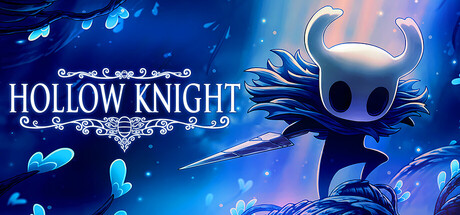
And finally, Hollow Knight, whose dark fantasy and melancholic exploration echo in the hush of Hallownest’s abandoned shrines. Its description mentions “twisting caverns” and “tainted creatures”—but what binds it to Undead Murder Farce is the weight of legacy as ruin. You don’t conquer Hallownest; you witness its elegy. Every mural, every hollowed-out shell of a god-king, every silent moth-watcher on a crumbling arch—you’re not restoring order. You’re reading epitaphs. Just as Aya reads tomb inscriptions not for names, but for the tremor in the chisel-work that betrays who really buried whom.
This isn’t for fans of tidy resolutions or power fantasies. It’s for the reader who underlines passages about grief in yellow highlighter—not because they’re sad, but because they’re precise. For the player who lingers in a game’s empty tavern long after the quest log clears, listening to the creak of floorboards and the distant toll of a clock that hasn’t struck in three hundred years. For anyone who’s ever held a photograph of someone they loved and wondered: Which part of them is still traveling? Which part is already gone? That quiet, persistent yearning—not for answers, but for continuity—is the shared pulse. And it beats loudest when the light is low, the ink is fading, and the only thing holding you together is the next sentence you’re brave enough to speak.
🎮76 Games That Match the Vibe











Match Dimensions Explained
❓Frequently Asked Questions
Why does Undead Murder Farce feel so much like Disco Elysium but with vampires?
Because both lean hard into melancholic exploration and political thriller vibes—but while Disco Elysium drops you as a broken detective in Rainy City wrestling with ideology (and your own skill checks like 'Logic' or 'Empathy'), Undead Murder Farce swaps the raincoat for fangs and channels that same layered, dialogue-driven tension through gothic horror. You’ll recognize the tone in how both games make you *feel* the weight of history—Disco Elysium’s decaying Revachol vs. Undead Murder Farce’s cursed aristocracy—and even share that same slow-burn dread where every conversation could unravel a conspiracy.
Is there an anime or manga adaptation of Undead Murder Farce?
Nope—no official anime, manga, or film adaptation exists yet. Unlike Vampire: The Masquerade - Bloodlines (which sprang from a decades-old tabletop RPG with tons of expanded lore), Undead Murder Farce is a self-contained original game without licensed spin-offs. That said, fans often compare its neon-noir vampire politics and body horror to Bloodlines’ tone—especially when you’re navigating backroom deals with clan elders or watching your character physically mutate mid-dialogue.
How is Undead Murder Farce different from Hollow Knight in terms of mood and storytelling?
Hollow Knight nails quiet, environmental melancholic exploration—think silent ruins, cryptic bug lore, and sorrowful music echoing through Hallownest’s hollow halls—while Undead Murder Farce leans into sharp, dialogue-heavy political thriller energy, like interrogating a suspicious baron in a candlelit salon while your vampiric hunger ticks down. Both share Dark Fantasy + Melancholic Exploration dimensions (hence their 82–84 scores), but Hollow Knight tells its story through atmosphere and decay; Undead Murder Farce tells it through betrayal, seduction, and ideological sparring—closer to Disco Elysium than to moths and monoliths.
What’s the best game like Undead Murder Farce if I want something dark, cerebral, and dripping with gothic intrigue?
Vampire: The Masquerade - Bloodlines is your top match—it’s got the neon-noir lighting, body horror & occult stakes, and morally slippery vamp politics that Undead Murder Farce thrives on. You’ll feel that same delicious tension when choosing which clan to join, dealing with Tremere blood magic in a seedy L.A. nightclub, or watching your reflection flicker out mid-conversation. And yes, it’s still best played via GOG (with the unofficial patch baked in) so you don’t get stuck staring at a black screen during a crucial seduction scene.