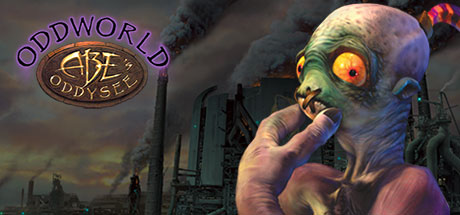
Oddworld: Abe's Oddysee®
Selected by the fickle finger of fate, Abe™, floor-waxer first class for RuptureFarms, was catapulted into a life of adventure when he overheard plans by his boss, Molluck the Glukkon™, to turn Abe and his fellow Mudokons into Tasty Treats as part of a last-ditch effort to rescue Molluck's failing meat-packing empire.
🎮Game Details
💬What Players Say
"*Real playtime is on PS1* I am a huge fan of the immediate sequel of this game, called Abe's Exoddus. Recently, I've taken the time to play through this first game, going into it with the knowledge that it's "the same game but shorter and with a few less mechanics". I was wrong...."
"It's unthinkable to leave anything other than a positive on this legendary game, but playing it again now can feel very dry and frustrating. It's slow to reload so you can't stack attempts without losing patience. Still it has so much character, such beautiful visuals typical of its era, I still find it as inspiring as I did back then."
"Being suggested by many, wanted to try this classic. Well, no surprise that, as usual, nostalgia rules. Mediocre game being praised because people played it during their childhood...."
📝Editorial Analysis
The fluorescent hum of RuptureFarms’ processing floor—low, greasy, oppressive—as Abe crouches behind a rusted pipe, heart hammering not from adrenaline but from the sheer weight of being disposable. He’s just heard it: Molluck the Glukkon™, voice slick as congealed lard, planning to grind him and his Mudokon kin into “Tasty Treats” to bail out a failing meat empire. Not a battle cry. Not a prophecy. Just a payroll memo delivered over bad intercom static. That moment isn’t heroic—it’s humiliatingly intimate, the kind where your throat tightens because the horror isn’t in the violence, but in the banality of the menu.
That’s the atmosphere: a slow, sticky dread wrapped in absurdity. It’s not dystopia as spectacle—it’s dystopia as maintenance work. You move at Abe’s pace: deliberate, fragile, often stuck waiting for a door to groan open or a screen to reload—slow to reload so you can’t stack attempts without losing time, as one player puts it. There’s no power fantasy here, no triumphant upgrade path. Just a floor-waxer with a voice, a few chants, and the crushing awareness that every saved Mudokon is a temporary reprieve, not a victory. You don’t feel like a savior. You feel like someone who just realized the janitorial closet has a view of the slaughterhouse—and the keycard is taped to the mop handle. It makes you think about labor not as backdrop but as texture: the grease under your fingernails, the echo of corporate jargon bouncing off concrete, the way despair curdles into dark comedy when your boss names his product line after snack foods while plotting genocide.
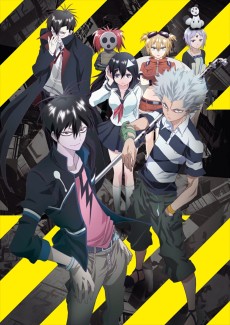
Mob Psycho 100 III shares that exact tonal vertigo—where body horror isn’t about gore, but violation of self as commodity. Mob’s psychic explosions aren’t cathartic; they’re exhausting, messy, often misfiring—not unlike Abe’s desperate chant attempts that either save a Mudokon or send him tumbling into a grinder. Both use parody not to mock, but to expose: Glukkon boardrooms and Divine Tree cults alike weaponize language, branding, and bureaucratic nonsense to dress up exploitation in corporate-speak or spiritual dogma. The laughter lands just before the nausea does.
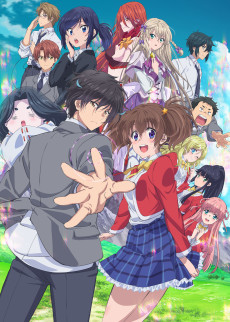
Mission: Yozakura Family, too, pulses with that same fever-dream dissonance. Its spies don’t duel with honor—they bicker over lunchboxes while their bodies contort, split, or briefly dissolve into grotesque, cartoonish matter. Like Abe dodging Sligs in hallways that smell faintly of burnt sugar and formaldehyde, Yozakura treats the grotesque as mundane infrastructure. A severed limb reattaches mid-sentence. A character’s face melts into a smiley-face sticker. It’s not shock for shock’s sake—it’s the normalization of the unnatural, mirroring how RuptureFarms treats sentient beings as raw material with barcodes and expiration dates.
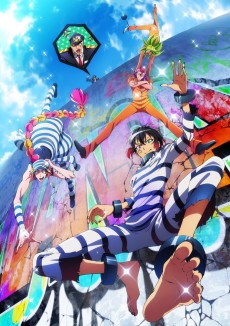
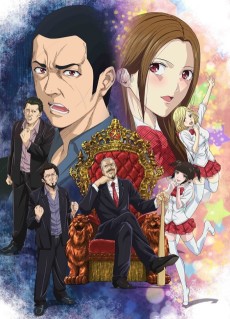
And NANBAKA, with its prison setting built on surreal, physics-defying architecture and guards whose authority is undercut by sheer, escalating absurdity, taps the same nerve. The inmates aren’t rebels—they’re overlooked, shuffled between cells like inventory, their dignity stripped not by cruelty alone but by indifference dressed in bureaucracy. When Abe leads a chain of Mudokons through a ventilation shaft, their synchronized, shuffling gait isn’t triumphant—it’s ritualistic exhaustion, echoing NANBAKA’s prisoners moving in unison through corridors that loop back on themselves, forever near escape, never quite free.
This pairing isn’t for fans of clean arcs or tidy justice. It’s for the person who watches a Glukkon adjust his monocle while discussing quarterly profits and feels a jolt—not of outrage, but of recognition. The viewer who laughs when a Slig trips over its own rifle strap because the next cut shows a Mudokon quietly weeping into his hands. The player who pauses not to strategize, but to stare at the flickering “RuptureFarms: Quality Since ’78” sign above a bloodstain—and wonders if the apostrophe is supposed to be there. They’re drawn to art that treats oppression as aesthetic, where comedy isn’t relief but lens, and body horror isn’t spectacle but symptom. They don’t want heroes. They want witnesses who hum off-key, chant wrong, reload slowly—and keep walking down the corridor anyway.
→28 Anime That Match the Vibe

Abe’s flinching, elongated scream as his body stretches like taffy during a Scrab Boss fight mirrors Mob’s horrified recoil when his psychic power violently warps his own limbs in Season 3’s Divine Tree arc—both weaponize 👻 Body Horror & Occult not for shock, but to externalize spiritual violation. Where RuptureFarms reduces beings to meat-slurry, the Divine Tree cult commodifies enlightenment, turning devotion into grotesque physical transformation. That shared, queasy laughter beneath the horror—😂 Comedy & Parody sharpening existential dread—is what makes their resonance so unnervingly precise.
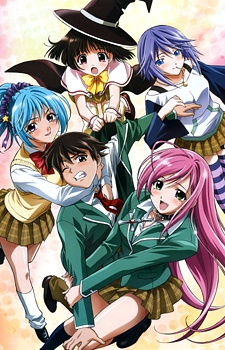
Connected through 2 aesthetic dimensions.
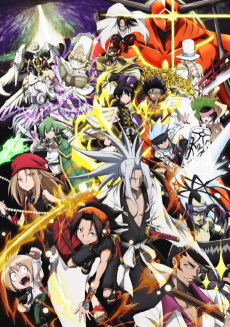
Connected through 2 aesthetic dimensions.
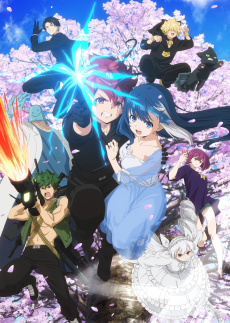
Abe’s grotesque, mud-slicked escape through RuptureFarms’ meat-grinders mirrors Taiyou’s flustered panic when Mutsumi’s spy-family antics warp his mundane school hallway into a battlefield of exploding bento boxes. 😂 Comedy & Parody thrives in both—not as relief, but as structural logic: Abe’s slack-jawed grimaces and Taiyou’s nosebleeds weaponize absurdity against systemic horror. Where Abe’s body dissolves into swarming Scrabs, Taiyou’s identity unravels under espionage pressure—ghostly, elastic, hilariously unstable.
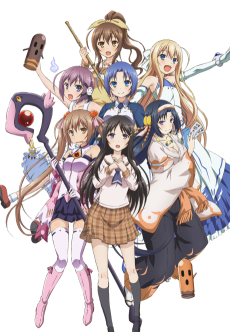
Connected through 2 aesthetic dimensions.
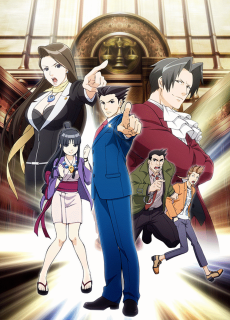
Connected through 2 aesthetic dimensions.
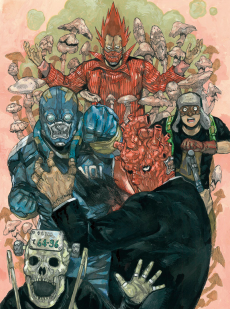
Connected through 2 aesthetic dimensions.
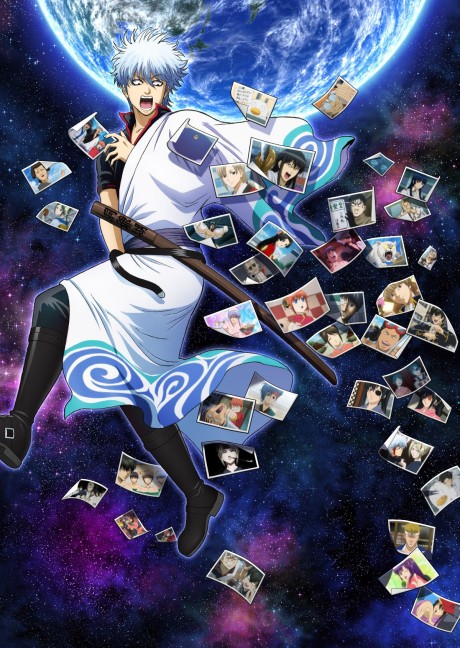
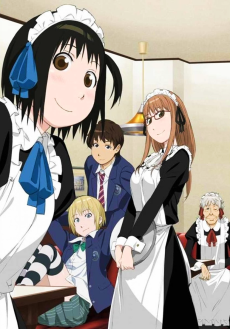
Abe’s slack-jawed, elongated scream as his body stretches grotesquely during a Scrab Boss fight mirrors Porori’s watery, onomatopoeic dissolutions—both weaponize 😂 Comedy & Parody to frame 👻 Body Horror as absurd relief, not dread. Where RuptureFarms turns living beings into processed meat, *Gintama.: Slip Arc* renders existential collapse into splashing “porori” sounds—turning trauma into slapstick physics. That shared tonal alchemy—horror made hilariously elastic—is unexpectedly precise, not just chaotic.

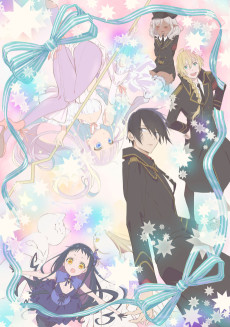
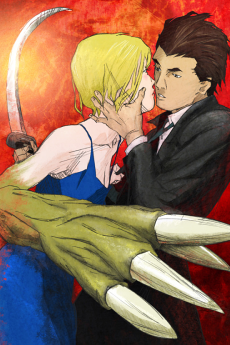
Abe’s grotesque, elongated scream as his body splits open during a Scrab transformation mirrors Karen Bee’s unnerving metamorphosis—her limbs contorting, voice fracturing under supernatural possession. Unlike most comedies that soften body horror, *Nisemonogatari*’s Karen arc and *Abe’s Oddysee* weaponize 😂 Comedy & Parody to expose systemic cruelty: RuptureFarms’ wage slavery echoes the Bee family’s performative normalcy, both cracking under occult pressure. That shared tonal whiplash—gag-driven absurdity curdling into visceral dread—is jarringly brilliant.

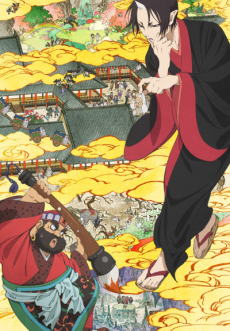
Abe’s grotesque, elongated limbs contorting as he scrambles across RuptureFarms’ meat-grinder floors mirror Paprika’s surreal dream-logic—where bodies melt, reassemble, and bleed into architecture. 😂 Comedy & Parody surfaces in both: Abe’s slapstick escapes from industrial horror echo the anime’s satirical corporate bureaucracy, while 👻 Body Horror & Occult pulses through Molluck’s flabby, puppeteered Glukkon form and Paprika’s collapsing, doll-faced dream intruders. It’s startling how two formally distinct works—one pixelated satire, one hand-drawn cinematic fever dream—use absurd physicality to expose systemic dehumanization.






Match Dimensions Explained
❓Frequently Asked Questions
Why does Mob Psycho 100 III match Oddworld: Abe's Oddysee so well despite being a psychic anime?
Because both hinge on an underdog protagonist—Abe’s quiet, wide-eyed dread as he sneaks past Sligs mirrors Mob’s anxious, empathetic restraint before explosive psychic outbursts. You’ll spot the same tonal whiplash: a grotesque Glukkon boardroom scene where Molluck coldly discusses grinding Mudokons into ‘Tasty Treats’ lands with the same dark absurdity as Mob Psycho’s corporate cult arc, where villains weaponize bureaucracy and body horror for profit.
Is there an anime adaptation of Oddworld: Abe's Oddysee?
No—there’s never been an official anime adaptation, and none are in development. But if you’re craving that exact vibe (a meek floor-waxer thrust into surreal corporate horror), NANBAKA nails it: think prison guard Kuroda’s deadpan suffering amid mutated inmates and bureaucratic sadism, mirroring Abe’s slow, tense navigation of RuptureFarms’ meat-processing hellscape.
How does Mission: Yozakura Family compare to Gintama.: Slip Arc for Oddworld fans?
Mission: Yozakura Family leans harder into the ‘body horror + corporate parody’ angle—like when Abe hides in ventilation shafts while Glukkons bicker over quarterly Tasty Treats yields, Yozakura’s assassins juggle family dinner and grotesque transformations mid-board meeting. Gintama.: Slip Arc matches the dry, slow-burn frustration (remember how Abe’s saves reload painfully? That’s pure Gintama’s ‘we’ll get there… eventually’ pacing).
What’s the best anime like Oddworld if I want that ‘nervous, claustrophobic, darkly funny’ vibe?
Nisemonogatari—it’s got Abe’s jittery, voice-over-heavy internal panic (think Abe whispering ‘I’m not supposed to be here’ while crouched behind crates) paired with surreal, unsettling visuals like the Mudokon spirit chants morphing into Nadeko’s distorted, fragmented monologues. And just like RuptureFarms’ oppressive industrial palette, Nisemonogatari drowns you in sickly pinks and greys that feel equally suffocating and absurd.