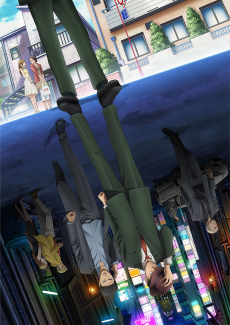
My Home Hero
After killing his daughter’s abusive yakuza boyfriend to save her, ordinary salaryman Tetsuo Tosu becomes embroiled in the dark criminal underworld. The wish for a simple life he and his wife Kasen had for their daughter has been reduced to a wish for survival. Though middle-aged and weak, he’ll put his life on the line using only his wits in order to protect his family.
(Source: Crunchyroll)
📺Anime Details
📝Editorial Analysis
The smell of rain on hot pavement. The tremor in Tetsuo Tosu’s hands as he wipes blood off a kitchen knife—not with rage, but with exhaustion. His daughter’s voice still echoing from the hallway: “Dad… what did you do?” Not a scream. Not a sob. Just quiet disbelief—like the floor vanished beneath her, and he didn’t catch her. That moment isn’t about action. It’s about the weight of ordinary life snapping under pressure so sudden, so intimate, it leaves no room for heroics—only calculation, silence, and the slow, suffocating realization that “home” is now a crime scene.

This isn’t noir as stylized shadowplay—it’s noir as respiratory restriction. My Home Hero doesn’t thrill with spectacle; it tightens your throat with the sheer banality of its stakes. A middle-aged salaryman with thinning hair and grocery receipts in his wallet, navigating yakuza territories not with guns or grit, but with bus schedules, burner phones, and the desperate improvisation of someone who’s spent twenty years avoiding conflict—and now must weaponize every unremarkable skill he ever dismissed as “just getting by.” There’s no catharsis in violence here, only consequence: each decision bleeds into the next like ink in wet paper. You don’t feel empowered watching Tetsuo—you feel vertiginous, because his intelligence isn’t flashy; it’s frayed, fallible, and terrifyingly human. It makes you question how much of your own safety is borrowed time—and how quickly the scaffolding of routine collapses when one person decides your family is leverage.
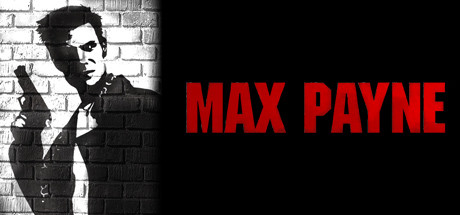
That same claustrophobic tension lives in Max Payne, where the description nails it: “A fugitive undercover cop framed for murder, hunted by cops and the mob, Max is a man with his back against the wall…” Just like Tetsuo, Max isn’t built for this—he’s a man hollowed out by loss, moving through neon-drenched alleys not as a legend, but as a liability. The player review confirms the emotional resonance: friends passing the controller after death—not for fun, but because surviving feels too solitary, too raw. Both Max and Tetsuo operate in worlds where loyalty is transactional, trust is a liability, and every ally could be the next betrayal. Their fights aren’t victories—they’re delays. And that delay? It’s all they have.
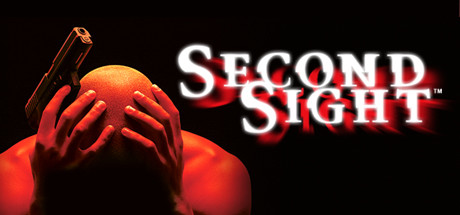
Then there’s Second Sight, whose description names the exact texture: “an atmospheric, psychological thriller narrative with paranormal psychic abilities, stealthy exploration and intense shooter action.” But it’s the player review that reveals the kinship: “Despite its age and wonky mechanics, I've loved this game for its story and mec…” — that trailing “mec…” feels like Tetsuo mid-thought, scrambling for the right tool, the right lie, the right exit strategy. Like Tetsuo, the protagonist of Second Sight relies on perception over power—reading rooms, anticipating threats, bending reality just enough to survive. Neither has superhuman strength; both have hyper-awareness, born of trauma and necessity. The “psychic abilities” aren’t fantasy—they’re metaphor: the way Tetsuo notices a yakuza’s telltale glance at his watch, or how Second Sight’s hero senses deception before words land. Both are stories about cognition under siege.
And Vampire: The Masquerade – Bloodlines, described as “a new type of RPG experience—one that blends all the core elements of a traditional RPG with the graphical richness, immediacy and brutal combat of a first-person shooter,” mirrors My Home Hero’s moral rot. Its player review urges: “BUY IT ON GOG; if you want to use the steam version you need to download the unofficial patch…” — a testament to how deeply players invest in its broken, lived-in world. Like Tetsuo navigating Tokyo’s underworld, the vampire protagonist negotiates hierarchies where survival means choosing which part of your soul to forfeit today. No grand evil—just nested compromises, whispered deals in mahjong parlors and blood-soaked basements. Both reject binary morality. They ask: How far into the dark can you go before you forget the light you were trying to shield?
This pairing isn’t for fans of slick power fantasies or clean resolutions. It’s for the person who watches Tetsuo rehearse a lie in the shower mirror—and recognizes that gesture. For the player who reloads Max Payne not to win, but to breathe again. For the one who lingers in Second Sight’s dim corridors, listening for footsteps that might be real—or just the echo of their own pulse. These are stories for adults who remember what it feels like to lie awake calculating risk, who understand that love isn’t always tender—it’s sometimes a knife in your hand, a bus ticket folded in your palm, and the unbearable, beautiful weight of staying alive enough to see your child graduate.
🎮30 Games That Match the Vibe



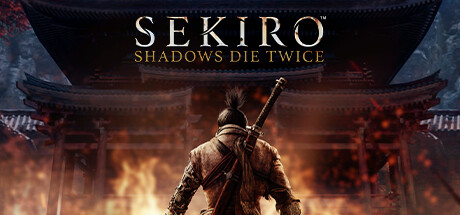
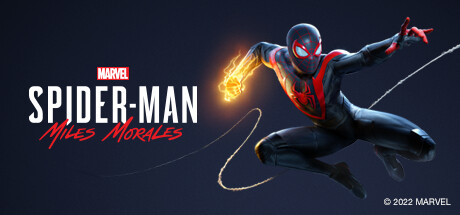
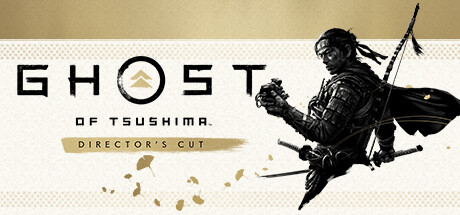
Match Dimensions Explained
❓Frequently Asked Questions
Why does My Home Hero feel so similar to Max Payne despite being a different genre?
It’s all in the tone and pacing—both lean hard into that rain-slicked, morally gray Neon Noir vibe where every conversation feels like it’s happening in a smoke-filled room at 3 a.m. Max Payne’s slow-mo gunfights and voiceover-heavy, fatalistic narration (think: 'The night was young, and so was I—until it wasn’t') mirror My Home Hero’s tense domestic thriller beats, like when Kenji quietly disposes of evidence while narrating his crumbling sense of control.
Is there an anime or live-action adaptation of My Home Hero?
Not yet—but if one *did* happen, Vampire: The Masquerade – Bloodlines would be the closest spiritual blueprint: same Adult & Dark Seinen intensity, same layered moral compromises (like choosing whether to embrace your monstrous side or suppress it), and that same gritty, neon-drenched world where every alleyway hides a secret—and possibly a vampire with a grudge.
How does Second Sight compare to My Home Hero in terms of psychological tension?
Both weaponize paranoia as a core mechanic—Second Sight has you constantly questioning reality through psychic flashbacks and fragmented memories (like John Vattic’s visions of his own past trauma), while My Home Hero traps you in Kenji’s hyper-vigilant headspace during home-invasion sequences, where even a creaking floorboard feels like a countdown. That shared 'Neon Noir' dimension makes their dread feel eerily familiar.
What’s the best game like My Home Hero if I want something moody, adult, and deeply atmospheric—not just action-packed?
Go straight to Assassin’s Creed™: Director’s Cut Edition—it’s got that same brooding, politically charged weight, especially in scenes like Altaïr navigating the shadowy alleys of Damascus under cover of dusk, balancing assassination with ideological doubt. Its 82 Metacritic score reflects how well it nails Adult & Dark Seinen tension without needing jump scares or gore—just quiet, consequential choices.