![[Oshi no Ko] Final Season](https://s4.anilist.co/file/anilistcdn/media/anime/cover/medium/bx209827-rjOeCZB6LqAg.jpg)
[Oshi no Ko] Final Season
📺Anime Details
📝Editorial Analysis
The neon glow of a backstage monitor flickers—reflected in the twin’s eyes as they stand motionless beneath a single hanging light, the silence after a scream that never left their lips. Not heard. Felt. That stillness isn’t calm. It’s the held breath before collapse, the kind where grief has calcified into something sharp and architectural—built from idol posters, rehearsal tapes, and a suicide note folded inside a prop microphone stand.
This isn’t just tragedy dressed in glitter. [Oshi no Ko] Final Season lives in the weight of performance—the way a smile can hollow out a person, how applause sounds identical to erasure, and why revenge doesn’t roar—it stitches, thread by careful, bloodied thread. It makes you question memory itself: is recollection loyalty or self-deception? Is acting healing—or the most refined form of dissociation? The supernatural element isn’t spectacle; it’s psychological scaffolding—ghosts not as spirits, but as unprocessed time, looping like corrupted audio files in a studio hard drive. You don’t watch it. You rehearse it—your own regrets syncing with theirs, frame by frame.
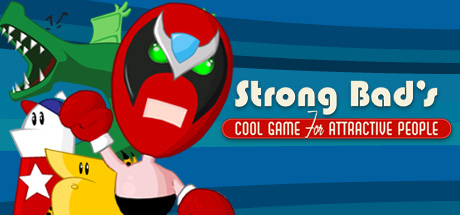
Strong Bad's Cool Game for Attractive People: Season 1 shares that same warped intimacy between surface and subtext. Its description calls it “wacky comedic adventures”—but player reviews betray deeper resonance: “With the recent remake of Poker Night, I hope Skunkape considers bringing this game back next…” That longing isn’t for nostalgia—it’s for a tone where absurdity holds space for real pain, where cartoonish masks let truth slip through cracks in the animation. Like [Oshi no Ko], it weaponizes genre dissonance: bright colors over rot, punchlines that land like body blows. Both use performance as camouflage—and both know the most dangerous lies are the ones we tell ourselves while grinning for the camera.
Grand Theft Auto: Vice City doesn’t deal in idols—but it breathes the same poisoned glamour. Its description drops you into “the 1980s… big hair, excess and pastel suits,” mirroring [Oshi no Ko]’s obsession with era-as-character: the idol industry isn’t just a setting—it’s a gilded cage built from synthwave basslines and tabloid fonts. Player review nails it: “The best GTA game. Great music, very fun, and hilarious to play…”—that “hilarious” is key. Like [Oshi no Ko], Vice City understands irony as trauma’s first language. Tommy Vercetti’s rise isn’t triumphant—it’s a slow-motion unraveling disguised as success, scored by songs that sound like mourning dressed in shoulder pads. Both works trap you in cycles where power looks like freedom until you realize the spotlight is also a spotlight on your breaking point.
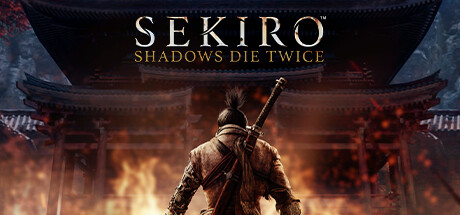
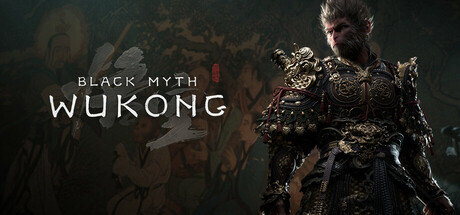
And then there’s Sekiro™: Shadows Die Twice - GOTY Edition, matched not by narrative but by rhythm of consequence. Its presence on the list—alongside Black Myth: Wukong, another title rooted in mythic transformation and bodily sacrifice—points to something deeper than genre: the physicality of emotional endurance. In [Oshi no Ko], every bow, every take, every forced laugh carries muscle memory—tension stored in shoulders, tremors in fingertips. Sekiro demands that same somatic precision: parry timing isn’t gameplay—it’s nerve. One mistimed breath, one flinch too soon, and the screen bleeds red—not because you failed mechanics, but because the world refuses your denial. That’s the core link: both treat resilience as a violent, sacred ritual. Not heroic. Exhausted. Necessary.
Who lives for this? Not casual viewers. Not players chasing dopamine hits. It’s the ones who’ve ever smiled through a panic attack. The ones who memorized lyrics to hide tears. The ones who know the difference between being seen and being witnessed—and how rarely the two overlap. They’re drawn to stories where beauty is a weapon, where music scores grief like a funeral march in 4/4 time, and where the most terrifying moment isn’t the fall—it’s realizing you’ve been holding your breath for years, waiting for permission to exhale. These pairings aren’t coincidences. They’re echoes—across mediums, across decades—of the same raw, unflinching truth: some wounds don’t scar. They become architecture. And sometimes, the only way to rebuild is to perform the collapse—again and again—until the audience finally stops clapping and starts listening.
🎮4 Games That Match the Vibe

Match Dimensions Explained
❓Frequently Asked Questions
Why does 'Strong Bad's Cool Game for Attractive People' show up in 'Games Like Oshi no Ko Final Season' matches?
It shares the 'Music & Idol' and 'Adult & Dark Seinen' dimensions with Oshi no Ko — especially in its satirical, emotionally layered take on fame and performance. Strong Bad’s self-aware, fourth-wall-breaking idol-adjacent antics (like his 'Trogdor' music video obsession and backstage chaos in Episode 3) mirror the show’s critique of entertainment industry artifice.
Is there a game adaptation of Oshi no Ko Final Season?
No — there’s no official game adaptation yet. But fans looking for that same blend of idol culture, psychological depth, and dark adult themes should check out Strong Bad’s Cool Game for Attractive People: Season 1, which nails the tonal tightrope between absurd comedy and genuine emotional stakes — just like Ai’s final arc.
How does Grand Theft Auto: Vice City compare to Sekiro in capturing Oshi no Ko’s vibe?
They’re both matches *only* because they hit the 'Music & Idol' + 'Adult & Dark Seinen' dimensions — not because they’re similar in gameplay. Vice City delivers neon-drenched celebrity-as-currency satire (think Rictus Erectus’ sleazy talk shows or the radio DJs treating fame like currency), while Sekiro offers stoic, tragic gravitas — like Gorou’s quiet resolve — but zero idol mechanics or music scenes.
What’s the best game like Oshi no Ko Final Season if I want something emotionally intense but with great music and a dark, mature tone?
Go straight to Strong Bad’s Cool Game for Attractive People: Season 1 — it’s the only match with explicit 'Emotional Narrative' in its dimensions *and* strong 'Music & Idol' integration. The way Episode 4 uses diegetic karaoke, shifting from campy parody to raw vulnerability during the 'Cool Song' sequence? That’s the closest you’ll get to Ai’s concert scenes meeting Ruby’s grief in game form.