
Symphogear
With the coming of spring, Hibiki Tachibana and Miku Kohinata start their first year in high school school at the prestigious Lydian Music Academy. That their idol, the singer Tsubasa Kazanari, also attends Lydian is just an added bonus. Neither of them know that their lives are about to change forever. Neither of them know that the first, awakening beat is almost upon them.
(Source: Rightstuf)
📺Anime Details
📝Editorial Analysis
The first time Hibiki Tachibana screams — not in fear, but in raw, unfiltered refusal — the world fractures. Her voice doesn’t just break silence; it shatters concrete, ignites golden light, and tears open the sky above Lydian Music Academy. That scream isn’t sound. It’s surrender turned weapon, grief transmuted into propulsion, a teenage girl’s choked breath becoming the ignition sequence for something vast and luminous. You feel it in your sternum before you see the Symphogear bloom — that split-second where vulnerability and power aren’t opposites, but the same current flowing in opposite directions.

What makes Symphogear vibrate at this particular frequency isn’t its mahou shoujo trappings or sci-fi scaffolding — it’s the insistence that emotion is physical law. Joy isn’t background music; it’s the harmonic resonance that stabilizes flight. Grief isn’t backstory; it’s the unstable frequency that cracks armor. Every henshin isn’t just transformation — it’s embodiment made audible, where vocal cords become tuning forks for reality itself. The urban setting isn’t backdrop; it’s a stage rigged with emotional conductors — concert halls, rooftops, ruined train stations — all waiting for someone to sing loud enough to rewrite gravity. This isn’t catharsis as release. It’s catharsis as combat. As construction. As reclamation.
That’s why AudioSurf hits with such startling precision. Its core loop — riding your music — mirrors Hibiki’s journey: your personal playlist doesn’t just accompany action; it generates the terrain, the speed, the very shape of the challenge. A soaring ballad becomes a glittering ascent; a furious rock anthem triggers staccato drops and jagged climbs. The player review admits its flaws — “godawful UI,” “crashing,” “flashbanging” — yet calls it superior. Why? Because beneath the jank lies something irreducible: the visceral, physical translation of inner sound into outer motion. Like Hibiki belting into empty air and watching golden gears lock into place, AudioSurf makes you feel your own pulse become the engine. It’s messy, imperfect, deeply personal — and utterly necessary.
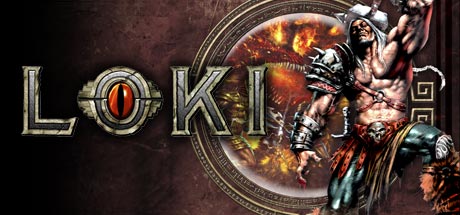
Then there’s Loki, where myth isn’t lore, but blueprint. Its description positions you as “one of the four heroes… each drawn from a different mythology,” and the player review bluntly notes its resemblance to Diablo — a game about relentless, rhythmic action against overwhelming, symbolic forces. But Loki’s deeper resonance with Symphogear lives in its structural DNA: myth as inherited trauma, as encoded power, as a legacy you must wrestle with in real time. Tsubasa’s past, Miku’s silence, Chris’s exile — none are exposition dumps. They’re live wires feeding the Symphogear’s output. Loki’s “annoying glitches and game crashes” might even echo the anime’s own narrative instability — the way truth fractures, conspiracies warp perception, and even the ground beneath your feet feels like it’s running on corrupted code. Both demand you fight while the framework is failing.
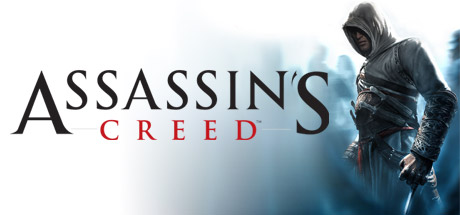
And Assassin’s Creed™: Director's Cut Edition — yes, the 2007 original — lands with unexpected weight. Its description touts “tactical warfare” and “political thriller” dimensions, while the player review acknowledges dated textures but insists “no issues with me.” That’s the key: it’s not about fidelity. It’s about verticality as defiance. Scaling those Jerusalem walls, leaping across rooftops, using environment as both shield and amplifier — it’s the same spatial logic as Symphogear’s battles. Hibiki doesn’t just punch; she orchestrates space, turning architecture into percussion, wind resistance into rhythm. The Assassin’s Creed review’s quiet acceptance of aging tech mirrors how Symphogear treats its own genre conventions — not as limitations, but as instruments. The glitches, the jank, the dated models — they don’t break immersion. They deepen it. They make the triumph earned, the light hard-won.
This pairing isn’t for the casual fan. It’s for the one who still has a playlist titled “Battle Hymns (No Skipping)” and knows exactly which song makes their shoulders drop and their jaw set. It’s for the player who reloads after a crash not out of frustration, but because the feeling — that surge, that sync, that yes — is worth every second of friction. It’s for anyone who’s ever screamed into a pillow and felt, just for a heartbeat, like the walls trembled back.
🎮37 Games That Match the Vibe









Match Dimensions Explained
❓Frequently Asked Questions
Why does Prince of Persia keep coming up in Symphogear game comparisons?
Because both lean hard into that 'romance-infused action spectacle' vibe—think the Prince’s rooftop parkour duels mirroring Hibiki’s aerial Gear combos, or how the Prince’s bond with Elika echoes the emotional weight and synchronized power-ups between Symphogear users. It’s not just combat; it’s choreographed, emotionally charged movement set to a mythic backdrop, which is why PoP (2008) scores 81 in both Action Spectacle and Romance & Shoujo dimensions.
Is there a Symphogear mobile game or visual novel adaptation?
No official Symphogear mobile game or visual novel exists—but if you’re craving that same blend of idol performance + mythic action, AudioSurf nails the ‘music-as-weapon’ energy: you literally ride your own playlist like Hibiki riding her song-powered Gear, with neon trails and tempo-driven intensity. Its 85 score in Music & Idol + Action Spectacle makes it the closest *functional* spiritual cousin, even if it’s not licensed.
How does Loki compare to Rise of the Argonauts for Symphogear fans who love Greek/Norse myth crossovers?
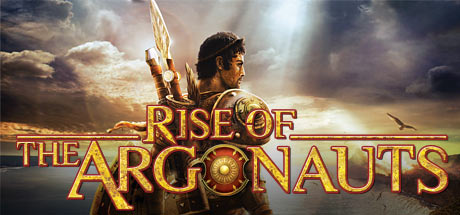
Both hit the Mythology & Folklore + Action Spectacle combo (each scoring 81), but Rise of the Argonauts leans into grounded ancient-history gravitas—Jason’s grief-fueled quest mirrors Symphogear’s tragic stakes—while Loki’s four-mythology roster (including its Norse fighter) feels flashier but shallower, with player reviews calling out anticlimactic endings and glitches. If you want myth with emotional heft, go Argonauts; if you want chaotic god-powered chaos, try Loki.
What’s the best Symphogear-like game when I’m in the mood for something fast, musical, and cathartic after a long day?
AudioSurf—hands down. Crank up your favorite J-pop or rock anthem, and suddenly you’re dodging blocks and chaining boosts like you’re syncing a Gear transformation to the chorus. It’s got that same euphoric, rhythm-driven release as Symphogear’s concert-battle scenes, and its 85 score in Music & Idol + Action Spectacle isn’t just stats—it’s the real deal. Just brace yourself for that infamous ‘godawful UI’ (per the player review), then ignore the menus and dive straight into the music.