
Idol
Music video directed by Naoya Nakayama for the song Idol by YOASOBI. The song is based on the original novel "45510" written by Aka Akasaka.
Note: The song featured in this music video also serves as the opening theme of the anime [Oshi no Ko]. There exists two versions of this video; the first being a Japanese version uploaded on April 12, 2023 and an English version of the song also titled "Idol" by YOASOBI, which was uploaded on May 26, 2023.
📺Anime Details
📝Editorial Analysis
A single frame: the camera tilts up from cracked pavement to a blinding stage light—then cuts to a close-up of a face mid-smile, eyes empty, lips moving in perfect sync while the background dissolves into static. Not a cutaway. Not a transition. A rupture. That’s Idol: not a story told, but a nervous system exposed—3 minutes and 22 seconds where euphoria and erosion share the same breath.

This isn’t psychological horror because it shocks—it’s psychological because it unspools. The music video doesn’t depict idol culture; it performs its logic: every gesture calibrated, every glance rehearsed, every vulnerability edited out before it reaches the lens. There’s no backstory, no dialogue—just movement, light, and the unbearable weight of being watched while watching yourself be watched. It makes you feel vertiginous, like standing on glass over a live feed. It makes you think about how identity becomes infrastructure—how a smile can be both weapon and wound, how fame is less a spotlight than a surgical beam. The nudity isn’t erotic or expositional—it’s clinical: flesh as data point, body as interface. Tragedy here isn’t fate. It’s architecture.
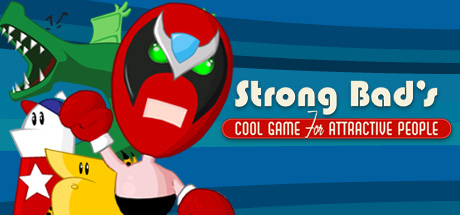
That same fraying-at-the-edges intensity lives in Strong Bad's Cool Game for Attractive People: Season 1, where the “Music & Idol” and “Adult & Dark Seinen” dimensions collide—not through glamour, but through satirical collapse. The description calls it “wacky comedic adventures,” but the player review nails its emotional core: nostalgia for something that was never stable to begin with (“With the recent remake of Poker Night, I hope Skunkape considers bringing this game back next…”). Like Idol, it weaponizes surface—glitchy animation, fourth-wall breaks, absurd celebrity cameos—to expose how performance hollows itself out when the audience stops believing in the script. Both are exhausted with the act of being charming.
Then there’s Grand Theft Auto: Vice City, whose “Music & Idol” and “Adult & Dark Seinen” tags aren’t about charts or concerts—they’re about aesthetic possession. The description drops you into “the decade of big hair, excess and pastel suits,” and the player review echoes it: “Great music, very fun, and hilarious to play…” But beneath the neon sheen is a world where identity is swapped like outfits, where power is measured in how convincingly you wear your own myth. Like Idol, Vice City treats charisma as currency—and shows what happens when the exchange rate collapses. The soundtrack isn’t backdrop; it’s narrative scaffolding, just as YOASOBI’s synth pulses don’t accompany the video—they conduct its unraveling.
And though it seems distant, Tank Universal shares something quieter but deeper: the “Emotional Narrative” and “Adult & Dark Seinen” resonance isn’t in its Tron-inspired combat, but in the player review’s raw, unguarded line—“Play cool tank game with dad when you were 6 / Love the cool sound effects, and the colors. time goes on; loose access to game. Grew up dad passes away …” That’s the same ache Idol evokes—not about death, but about erasure: how memory, love, and presence get compressed into fragments (a sound effect, a color, a smile frozen mid-frame), then scattered across time. Both refuse catharsis. They hold space for grief that has no name—only texture, tone, and the ghost of a shared frequency.
These pairings won’t land for someone looking for escapism or tidy arcs. They’re for the person who watches a 3-minute music video and feels their pulse sync to the bassline then flinches when the beat drops—not from surprise, but recognition. For the player who replays a tank battle not for victory, but to hear that one distorted engine whine again—the one that sounded like childhood. For the reader who underlines a sentence in a light novel not because it’s profound, but because it hurts the same way their throat tightens when scrolling past a livestream of someone smiling too wide, too long. This is for those who know the difference between being seen and being scanned—and who still, stubbornly, keep showing up—not to be adored, but to witness, and be witnessed, in the fragile, flickering gap between the two.
🎮16 Games That Match the Vibe







Match Dimensions Explained
❓Frequently Asked Questions
Why does Strong Bad's Cool Game for Attractive People show up in 'Games Like Idol' matches?
It shares the 'Music & Idol' dimension with Idol — think Strong Bad’s over-the-top musical interludes (like the 'Trogdor!' anthem) and his self-aware, performative charisma that mirrors idol culture’s theatricality. Plus, its 'Adult & Dark Seinen' tone comes through in sardonic humor and meta-commentary on fame, just like Idol’s satirical take on celebrity obsession.
Is there a GTA: Vice City remake or re-release coming soon that leans into its idol/music vibe?
Not officially — Rockstar hasn’t announced one — but fans keep hoping, especially after the Poker Night remake buzz. Vice City’s 'Music & Idol' dimension lives in its iconic radio stations (Flash FM, Emotion 98.3), neon-drenched music videos, and Tommy Vercetti’s aspirational, image-obsessed rise — it’s basically an 80s idol fantasy wrapped in crime.
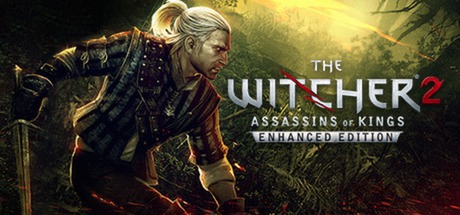
How is The Witcher 3 different from The Witcher: Enhanced Edition Director's Cut when it comes to emotional storytelling?
Both nail the 'Emotional Narrative' and 'Adult & Dark Seinen' dimensions, but The Witcher 3 goes deeper with branching choices that ripple across entire regions — like deciding Ciri’s fate or whether to spare or execute Iorveth. The original Enhanced Edition feels more intimate and morally claustrophobic, especially in Geralt’s early romance arcs with Yennefer or Triss (hence that fan review joking about 'team Yenn').
What’s the best 'Games Like Idol' pick if I want something nostalgic, emotionally raw, and music-adjacent — not flashy, but deeply personal?
Tank Universal is your unexpected gem. Its 'Emotional Narrative' and 'Adult & Dark Seinen' dimensions come through in that heartfelt player review — about playing with dad at age 6, losing access, then grieving his passing. The Tron-inspired synth score, glowing vector landscapes, and tactile tank sounds create a melancholic, almost ritualistic nostalgia that Idol fans seeking mood-over-mechanics will feel in their bones.