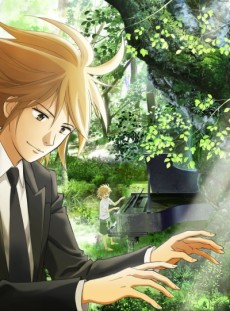
Forest of Piano
📺Anime Details
📝Editorial Analysis
The first time Kosei Arima sits at the piano again—hands hovering over keys he hasn’t touched in years, sunlight slicing through the tall windows of that quiet, dusty music room—the silence doesn’t feel empty. It feels weighted. Not with shame or fear, but with the quiet, aching presence of time itself: all the notes he didn’t play, all the breaths he held, all the versions of himself folded away like sheet music left unopened on a shelf.
That’s the atmosphere of Forest of Piano: not melancholy as sadness, but melancholy as resonance. It’s the hum of a single sustained chord after the pedal lifts—fading, but never quite gone. You don’t just watch Kosei grow; you feel the sediment of years settling—not as trauma, but as texture. The urban streets of Tokyo aren’t backdrops; they’re breathing spaces where piano études echo off concrete, where rain on rooftops syncs with metronome ticks, where a teacher’s quiet nod carries more gravity than any monologue. This is coming-of-age not as explosion, but as slow, deliberate tuning—of instrument, of self, of memory.
Which makes the game matches startlingly precise—not because they’re about music, but because they share that same temporal gravity. Take BioShock Infinite: its description names Booker DeWitt as “indebted to the wrong people, with his life on the line,” and the player review admits, “I know that some people are still bitter about the Bioshock Infinite we could have gotten.” That tension—between what was, what might have been, and what must be endured now—mirrors Kosei’s relationship with his past. Neither story offers clean redemption. Both force characters (and players) to sit inside contradiction: love and loss coexisting in the same breath, guilt and grace sharing the same measure. The “Time & Memory” dimension isn’t about mechanics—it’s about haunting, the way a phrase from a Chopin nocturne can land with the same emotional weight as Elizabeth’s whispered “Don’t let go.”
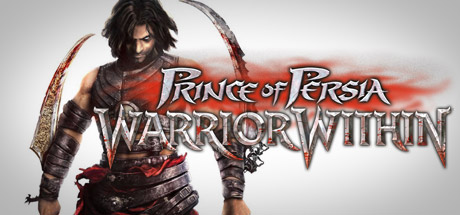
Then there’s Prince of Persia: Warrior Within, described as entering “the dark underworld… hunted by Dahaka, an immortal incarnation of Fate.” The player review calls it “a journey,” and says the Dahaka chase is “still as goated as it was before.” That relentless pursuit isn’t just action—it’s time made physical, inevitable, inescapable. Like Kosei hearing his mother’s voice in a trill, or flinching at the sound of a high C—Dahaka is the sound of memory tightening its grip. Both works treat time not as linear progress, but as terrain you walk through, again and again, where every corridor, every key signature, holds the echo of earlier footsteps.
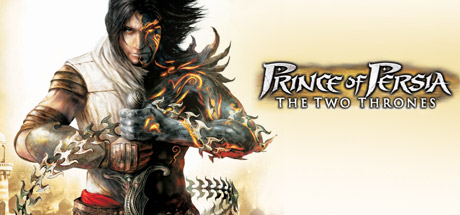
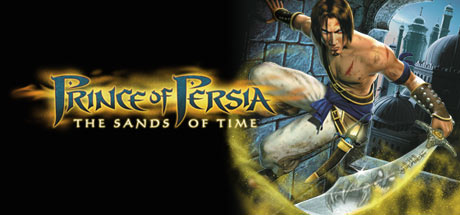
And Prince of Persia®: The Sands of Time, where “a young Prince [is] drawn to the dark powers of a magic dagger”—its player review marvels at “tactical platforming that is satisfying due to the locked directions, which helps. Yet still challenging platforming. Satisfying.” That paradox—structure enabling freedom, constraint deepening expression—is pure Forest of Piano. Kosei doesn’t break free of his past by rejecting technique; he reclaims agency within it—by mastering the very discipline that once imprisoned him. The dagger rewinds time, yes—but so does a well-placed ritardando, a held fermata, a pause before the final cadence. Both demand precision as intimacy, control as vulnerability.
This pairing isn’t for the casual listener or the speedrunner chasing leaderboards. It’s for the person who replays a piano piece not to perfect it, but to hear how their own hands have changed since last month. It’s for the player who lingers in the ruins of Babylon not to loot, but to trace the cracks in the stone—and wonder what hand carved them, and when. It’s for those who understand that time skips aren’t plot devices—they’re the quiet sigh between movements, the space where memory gathers its breath before speaking again.
🎮9 Games That Match the Vibe


Match Dimensions Explained
❓Frequently Asked Questions
Why does Forest of Piano get compared to Prince of Persia: The Sands of Time?
Because both hinge on time as a core mechanic and emotional anchor—like when the Prince rewinds mistakes with his Dagger of Time, mirroring how Forest of Piano uses memory and temporal echoes to unravel character backstories. Players love how Sands of Time’s ‘rewind’ isn’t just a gameplay crutch but a narrative device tied to regret and consequence—exactly the vibe Forest of Piano nails with its piano-driven flashbacks and layered timelines.
Is there a Forest of Piano anime or manga adaptation?
No official anime or manga adaptation exists yet—but fans often say Prince of Persia: Warrior Within feels like an *unofficial* animated cousin: its Dahaka chase sequences mirror Forest of Piano’s tense, time-bending confrontations, and both lean hard into Adult & Dark Seinen themes like guilt, identity, and fractured memory. Even the player review calls that Dahaka pursuit 'goated'—same visceral, psychological weight you feel during Forest of Piano’s climactic recitals.
How does Forest of Piano compare to BioShock Infinite in terms of storytelling?
Both use time and memory as narrative engines—but where Forest of Piano weaves intimacy through piano motifs and quiet, personal revelations (like a character replaying a childhood melody to unlock buried truth), BioShock Infinite drops you into Columbia with Booker DeWitt’s debt-fueled desperation and Elizabeth’s quantum-locked memories. The player review notes how Infinite’s ending lands because of its emotional payoff across timelines—just like Forest of Piano’s final movement ties every musical motif back to a single, devastating memory.
What’s the best game like Forest of Piano if I want something melancholic but beautiful, with strong time/memory themes?
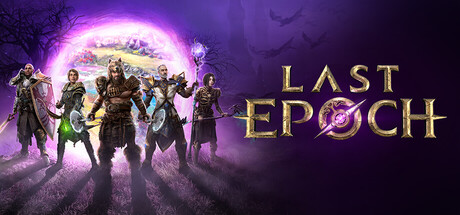
Last Epoch fits that mood perfectly—it’s not flashy, but its Time & Memory dimension runs deep in lore fragments, echo-based skill mechanics, and hauntingly poetic class stories (like the Chronomancer’s fractured timelines). Unlike Prince of Persia’s action-driven time manipulation, Last Epoch leans into quiet reflection, much like Forest of Piano’s still moments between notes—where every pause feels weighted, every memory earned.