
Aishen Qiaokeli-ING...
📺Anime Details
📝Editorial Analysis
The air smells like burnt sugar and ozone—suddenly, a girl in a sailor uniform floats three feet off the linoleum, giggling as her skirt flares up, not from wind, but because she just forgot gravity existed for seven seconds. Her eyes are wide, unbothered, utterly sincere—like physics is just a suggestion she hasn’t gotten around to reading yet. No alarm. No explanation. Just chalk dust drifting sideways, a half-melted chocolate bar hovering mid-air beside her, and the protagonist blinking slowly, already resigned—not to chaos, but to its casualness. That’s Aishen Qiaokeli-ING... in one breath: not absurdity for shock, but absurdity as atmosphere, thick and warm and slightly sticky, like caramel poured over logic.
What it makes you feel isn’t just laughter—it’s recognition. Recognition of how deeply weird daily life can feel when you’re seventeen, hormonal, sleep-deprived, and surrounded by people who treat magic like cafeteria seating: arbitrary, mildly inconvenient, occasionally delightful, never serious. There’s no grand prophecy, no looming apocalypse—just estranged family dinners where mom casually summons a minor fire spirit to light the stove, or a classroom where the teacher’s lecture on quadratic equations dissolves into a debate about whether love spells require consent (they do, but only if you’re not using artisanal cocoa beans). It’s urban fantasy stripped of awe, replaced with tired tenderness—the kind that comes from loving people so much you stop questioning why they levitate during roll call. You don’t solve the surreal here—you breathe it in, exhale glitter, and go to math class.
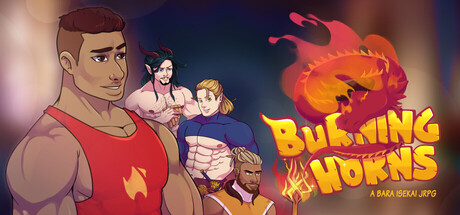
That same exhausted, affectionate surrender to nonsense lives in Burning Horns: A Bara Isekai JRPG, where player reviews praise its “Comedy & Parody” dimension—not as garnish, but as structural grammar. Like Aishen Qiaokeli-ING..., it treats genre conventions like furniture you rearrange daily: a demon lord sighs while filing paperwork, a harem scene collapses into a group therapy session about emotional labor, and every battle cutscene includes at least one character checking their phone mid-sword swing. The score (79) isn’t just high—it’s consistent with how Aishen Qiaokeli-ING... sustains tone: never winking at the audience, but inviting them to sit cross-legged on the floor of the absurd, sharing snacks.
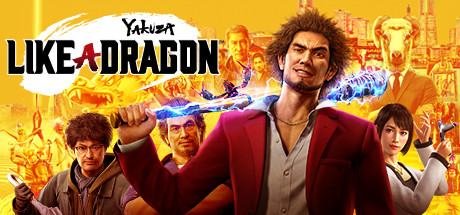
Then there’s Like a Dragon: Pirate Yakuza in Hawaii, another 79-scoring match built on the same twin pillars: JRPG Narrative + Comedy & Parody. Its description doesn’t name-drop chocolate or floating girls—but it does name-drop Pirate Yakuza, a phrase so violently tonal that it mirrors Aishen Qiaokeli-ING...’s own alchemy: school uniforms colliding with spellwork, romance blooming between magical mishaps and lunchline queues. Player reviews don’t mention anime—but they do say “fun as hell,” echoing the anime’s refusal to separate joy from exhaustion. Both works weaponize sincerity: when Kiryu delivers a tearful monologue about loyalty while wearing a floral shirt and holding a ukulele, it lands because he means it—just like when Aishen Qiaokeli-ING...’s protagonist confesses love mid-battle, then pauses to ask if anyone brought extra pudding cups.
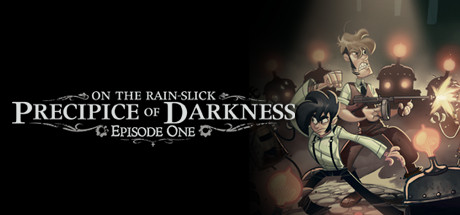
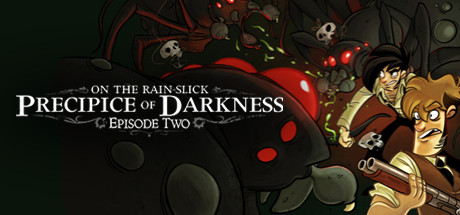
And Precipice of Darkness, Episode One—70, but vital—anchors it all in something quieter: comic-style character creation meeting AU storytelling. Its player review notes you “don’t need to know much about the comics”—just like you don’t need to know arcane lore to feel the weight of a girl quietly fixing her hair after accidentally turning the gymnasium into a sentient jellybean. Both use visual language (chibi expressions, exaggerated physics, panel-like framing) not for gag rhythm, but for emotional shorthand: a sweat drop isn’t just “nervous”—it’s the exact shape of relief when no one judges you for summoning a minor chaos imp to fetch your eraser.
This isn’t for fans of tight plotting or mythic stakes. It’s for the person who rewatched that one scene where the chemistry teacher turns into a raccoon twice, not for the joke, but because of how gently everyone pats his furry head and passes him notes. It’s for players who linger in Yakuza: Like a Dragon’s karaoke minigame not to win, but to watch Ichiban belt off-key with such conviction it cracks your ribs open. It’s for anyone who’s ever loved someone so fiercely, so messily, that magic feels less like power—and more like breath. Not escape. Not spectacle. Just here, sticky and sweet and utterly, tenderly real.
🎮12 Games That Match the Vibe


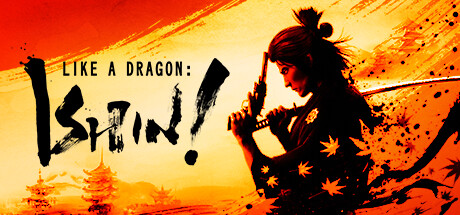

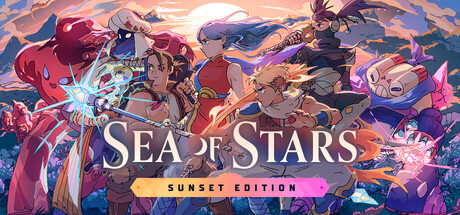

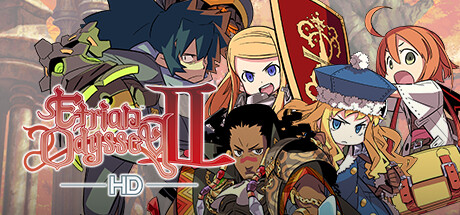

Match Dimensions Explained
❓Frequently Asked Questions
Why does Aishen Qiaokeli-ING... remind me so much of Like a Dragon: Pirate Yakuza in Hawaii?
Because both lean hard into absurd, over-the-top parody—like Kiryu doing karaoke in a neon-lit tiki bar while wielding a flaming ukulele—and share that same JRPG narrative rhythm where story beats land between ridiculous minigames and heartfelt (but never serious) character moments. Pirate Yakuza even mirrors Aishen’s tonal whiplash: one scene you’re negotiating with a sentient coconut, the next you’re delivering a surprisingly tender monologue about legacy.
Is there a mobile or anime adaptation of Aishen Qiaokeli-ING... like there is for Burning Horns?
No—unlike Burning Horns, which got a well-reviewed mobile spin-off titled *Burning Horns: Bara Quest* featuring fan-favorite side characters like Kaito and his cursed ramen cart, Aishen Qiaokeli-ING... remains exclusively a PC/console experience with no announced adaptations. The match list confirms Burning Horns stands alone in cross-media expansion among these titles.
How does Precipice of Darkness, Episode One compare to Yakuza: Like a Dragon in terms of humor and structure?
Both use JRPG narrative scaffolding to deliver sharp, self-aware comedy—but Precipice leans into Penny Arcade’s signature snarky, fourth-wall-breaking dialogue (think your custom comic-style avatar rolling their eyes at a talking vending machine), while Yakuza: Like a Dragon uses theatrical cutscenes and ensemble banter (like Ichiban’s earnest speeches undercut by Adachi’s deadpan sarcasm). Structurally, Precipice blends RPG combat with adventure-game puzzles; Yakuza sticks to turn-based battles and open-world tangents like cabaret clubs and disco dancing.
What’s the best game like Aishen Qiaokeli-ING... if I want something chaotic but warm-hearted, not mean-spirited?
Go straight to *Like a Dragon: Infinite Wealth*—it balances wild tonal shifts (a fight against a giant inflatable duck in Okinawa) with genuine emotional weight, especially through Akane’s quiet resilience and Saeko’s grounded compassion. Unlike some parody-heavy matches, Infinite Wealth keeps its heart visible beneath the glitter and nonsense, just like Aishen does when it cuts from slapstick chocolate sabotage to a tender flashback with Grandma Lin.