
JoJo's Bizarre Adventure: Diamond is Unbreakable
JoJo no Kimyou na Bouken: Diamond wa Kudakenai adapts the fourth part of the JoJo no Kimyou na Bouken manga series.
It's the year 1999, 11 years after Jotaro Kujo's desperate fight against DIO in Egypt. Jotaro meets with Josuke Higashikata, the illegitimate son of his grandfather Joseph Joestar. He discovers that Josuke also has the same "Stand" power and that a new threat is surfacing in Morioh City.
(Source: Anime News Network)
📺Anime Details
📝Editorial Analysis
The smell of rain on hot asphalt in Morioh City—sharp, electric, thick with the hum of cicadas and the distant clang of a bicycle bell—is the first thing that settles into your bones. Not the Stand battles, not the blood or the screams—but Josuke Higashikata pausing mid-stride on a sun-bleached sidewalk, squinting at a stray cat tangled in fishing line, then sighing, rolling up his sleeves, and kneeling without a word. That quiet, stubborn care—in a world where reality frays at the edges and people vanish into bathroom tiles or get turned inside-out by cursed bows—this is where JoJo's Bizarre Adventure: Diamond is Unbreakable lives. Not in spectacle alone, but in the weight of ordinary kindness held steady against the absurd.
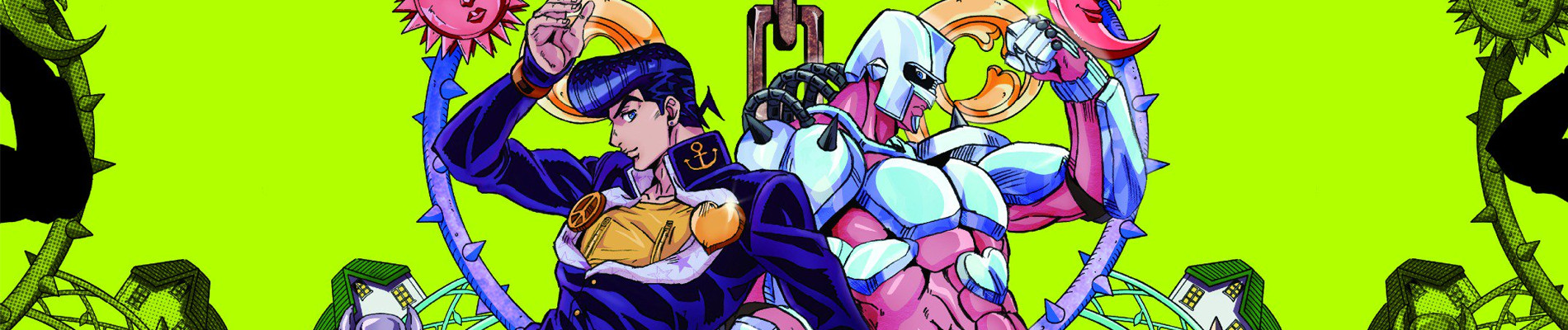
What makes it breathe differently isn’t just the urban fantasy or the Stand powers—it’s how deeply it trusts small-town rhythm as emotional architecture. 1999 Morioh feels lived-in: pachinko parlors flicker with neon ghosts, convenience store lights buzz like tired insects, and every alleyway holds both menace and memory. There’s no grand apocalypse looming—just a slow, creeping wrongness tightening around familiar faces. The tension isn’t between good and evil, but between continuity and rupture: will Koichi keep riding his bike to school tomorrow? Will Okuyasu’s laugh still crack through the air after the next fight? It makes you feel tender, even when things get grotesque—like watching someone delicately reassemble a shattered teacup while standing knee-deep in broken glass.
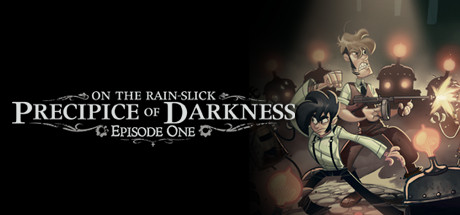
That same tender surrealism pulses through Precipice of Darkness, Episode One and Precipice of Darkness, Episode Two, two JRPGs built on comic-book logic and tonal whiplash. Their descriptions confirm they’re rooted in Comedy & Parody, yet grounded in narrative craft—just like Diamond is Unbreakable, which wraps its most harrowing moments (Yoshikage Kira’s chilling domesticity, Rohan Kishibe’s existential dread) in deadpan delivery and visual wit. A player review notes how “fun as hell” the first game is—even if you don’t know the source webcomic—because it commits fully to its own warped internal consistency, much like Morioh accepts a boy who punches soundwaves into existence as just… part of the neighborhood. The second episode’s review mentions input delay during special attack minigames, but crucially, it doesn’t break immersion—it adds to the charm, like Okuyasu’s Stand malfunctioning mid-battle or Josuke’s hair defying gravity for three full seconds before snapping back. Both games, like the anime, treat absurdity not as a gag, but as texture—the way rain slicks pavement before lightning strikes.
And there’s something unmistakably Morioh in how these games handle ensemble dynamics. Neither Precipice of Darkness installment leans on lone heroes; their RPG structure forces collaboration, banter, and shared stakes across mismatched personalities—exactly what makes Diamond is Unbreakable’s cast so resonant. You don’t root for Josuke instead of Koichi or Okuyasu—you root for the glue holding them together, the unspoken pact forged over melon soda and shared trauma. That glue is warm, even when it’s fraying. It’s why a player can laugh at a minigame’s timing quirk and still feel the weight of a character’s quiet sacrifice five minutes later—because the tone never lies about what matters.
This pairing sings loudest for the viewer who cries during a grocery-store confrontation, who replays Rohan’s silent walk home after losing his hand not for the tragedy, but for the way his shadow stretches long and thin across cracked concrete—and for the player who saves before every dialogue choice, not out of fear of failure, but because they care whether their avatar pauses to help a stranger fix a flat tire, even as eldritch horrors whisper from the sewer grates. They’re the ones who recognize tenderness as the rarest superpower of all.
🎮10 Games That Match the Vibe

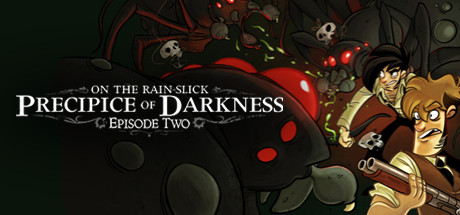


Match Dimensions Explained
❓Frequently Asked Questions
Why does Precipice of Darkness feel like Diamond is Unbreakable despite having no Stands or Morioh?
It’s all about the tonal whiplash—surreal small-town weirdness, deadpan humor masking real emotional stakes, and characters who solve absurd problems with equally absurd logic (like fighting eldritch horrors using a toaster and existential dread). The JRPG narrative pacing, fourth-wall-breaking asides, and that specific blend of comedy-and-parody—where goofy surface gags slowly reveal deeper character bonds—mirrors how Diamond is Unbreakable balances Josuke’s goofy hair jokes with life-or-death Stand battles in the same alleyway.
Is there a JoJo's Bizarre Adventure: Diamond is Unbreakable video game adaptation?
No—there’s never been an official standalone game based *only* on Diamond is Unbreakable. The closest official releases are the crossover-heavy JoJo’s Bizarre Adventure: All Star Battle and its R remake, which include Josuke, Okuyasu, and Koichi as playable fighters with accurate Stand animations (like Crazy Diamond’s healing punch and The Hand’s erasure effect), but they cover the entire franchise—not just Morioh’s arc.
Precipice of Darkness vs. JoJo’s All Star Battle: which one captures Diamond is Unbreakable’s vibe better?
If you want *vibe*—that slow-burn, off-kilter small-town mystery with dry wit and escalating surrealism—go with Precipice of Darkness, Episode One or Two. Their comic-panel storytelling, quirky turn-based combat (including that finicky special-attack minigame where timing feels just *off* enough to mirror Okuyasu’s clumsy power control), and ensemble cast banter nail Morioh’s energy. All Star Battle nails the flash and spectacle (Josuke’s ‘Yare Yare Daze’ taunt, the exact sound of Echoes ACT3’s ripple effect), but it’s pure arena chaos—not the grounded-yet-bizarre slice-of-life pulse of Diamond is Unbreakable.
What’s the best game like Diamond is Unbreakable if I just want that ‘chill but secretly intense’ Morioh mood?
Precipice of Darkness, Episode One is your pick—it drops you into a rain-slicked, low-stakes-seeming town where bizarre things happen daily (like negotiating with sentient vending machines), but the stakes quietly ratchet up through character-driven choices and surprisingly heartfelt JRPG narrative beats. You’ll recognize the rhythm: quiet walks, sudden weirdness, then a moment where everyone leans in—just like Josuke spotting the ghost in the bathroom mirror or Koichi realizing his Stand isn’t just for show.