
SHIROBAKO
Once upon a time, five girls made an animated film and it was so much fun that they pledged to get jobs in animation so that someday they could make another film together. Now, two years later, Aoi, Shizuka, Ema, Misa and Midori have learned the truth about the anime industry: it's not always fun, it's anything but easy, and having talent isn't always enough to open the right doors.
Which is why Aoi's overwhelmed by her job as a production assistant, Shizuka's waiting on tables between auditions, Midori's currently scriptless, Misa's switched to C.G., and Ema's working long hours as a key animator. Is it what they imagined? No. But are they ready to give up? Not just yet! Sometimes, when things happen in animation, they can happen in the most wonderful ways!
(Source: Sentai Filmworks)
📺Anime Details
📝Editorial Analysis
The fluorescent hum of a cramped office at 2 a.m., the smell of cold instant coffee and printer toner thick in the air, Aoi’s fingers trembling as she scrolls through yet another revision note on a storyboard she’s already redrawn three times — not because it’s wrong, but because the director changed his mind after the animation started. Her reflection flickers in the dark monitor: tired eyes, hair escaping its ponytail, a half-eaten convenience store onigiri sitting untouched beside a stack of unopened reference books. This isn’t burnout as spectacle — no dramatic collapse, no heroic last-minute save — just the quiet, grinding weight of showing up, again and again, for something you love but can’t quite hold.
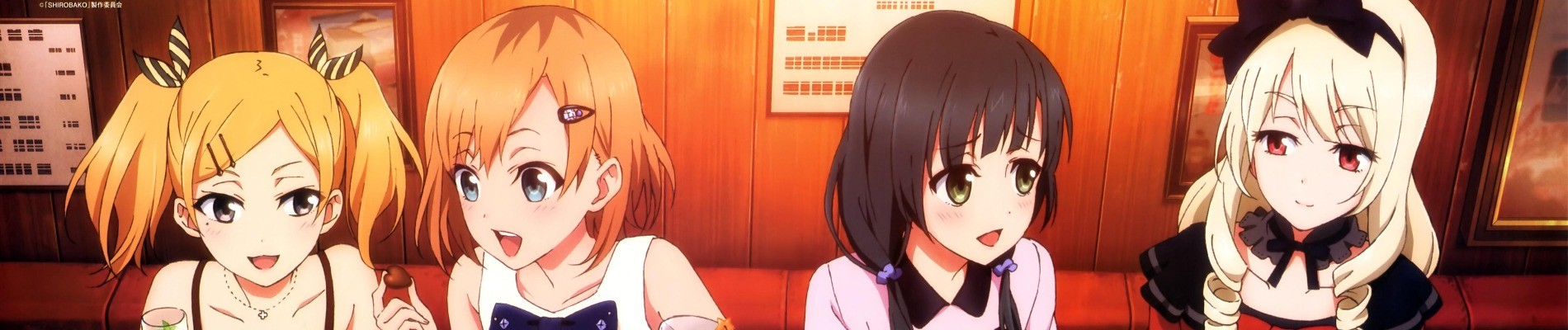
That’s the feeling SHIROBAKO lives inside: exhaustion that hums with purpose. It doesn’t romanticize labor, nor does it wallow in despair. It makes you feel the texture of creative work — the sticky residue of glue on a cel sheet, the hollow ache behind your eyes after checking timing sheets under flickering lights, the way hope and dread coil together when you hear “We’re moving the deadline up.” It’s about the dignity in small acts: Misa double-checking voice actor contracts, Ema quietly reworking a background layout after her supervisor says “It’s fine,” Shizuka sketching character expressions on napkins between shifts — all of it held with reverence, not irony. This is work-as-ritual, where passion isn’t fuel, but ballast — steady, heavy, necessary.
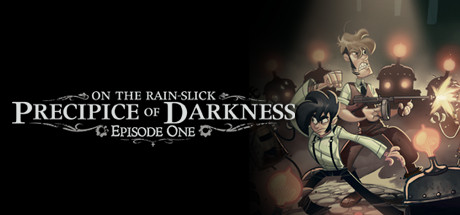
Which is why Precipice of Darkness, Episode One lands with such uncanny resonance. Its description calls it an “RPG-Adventure game series based on the web comic Penny Arcade,” built on Comedy & Parody and JRPG Narrative — but read the player review: “Fun as hell, especially if you enjoy the Penny Arcade style of humor…” That’s the key. Like SHIROBAKO, it’s steeped in insider language, self-aware craft, and the kind of affectionate, bone-tired wit that only comes from living inside a creative subculture. The jokes aren’t about games — they’re made from the same duct tape, caffeine, and late-night forum arguments that hold anime studios together. You don’t need to know the comics, the review insists — just like you don’t need to know anime production pipelines to feel Aoi’s panic when the episode count jumps. Both are meta without mockery: loving the machinery even as it grinds you down.
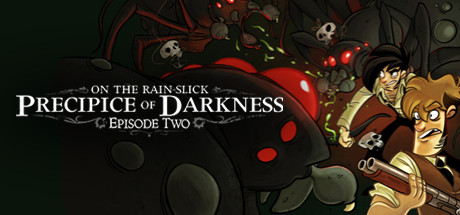
Then there’s Precipice of Darkness, Episode Two, described identically in genre and structure — yet the player review zeroes in on something deeply familiar: “the special attack minigame seems to have some input delay because I swear I am pressing the buttons at the right time…” That tiny, maddening friction — the gap between intention and execution, effort and result — is pure SHIROBAKO. Aoi knows that delay. So does Midori, redrawing a single frame because the lip sync wobbles by two frames. So does Shizuka, waiting tables while mentally blocking out a scene’s camera angles. The games don’t simulate animation production — but they mirror its emotional rhythm: the commitment to polish something flawed, the stubborn belief that this time, if you hit the button just so, the system will finally catch up to your intent.
These pairings aren’t for people who want escapism or power fantasies. They’re for the ones who’ve stayed past closing to fix a typo in a script, who’ve debugged a shader at 3 a.m. just to get one light bounce right, who’ve cried over a rejected pitch not because it was bad — but because they knew, deep in their bones, how much love and labor went into every pixel, every line, every comma. They’re for the production assistants, the junior designers, the QA testers who keep the wheels turning while the spotlight shines elsewhere. For them, SHIROBAKO and the Precipice of Darkness games aren’t entertainment — they’re recognition. A nod across mediums. A shared breath in the fluorescent hush, before the next deadline hits. Tired. True. Together.
🎮13 Games That Match the Vibe





Match Dimensions Explained
❓Frequently Asked Questions
Why does Precipice of Darkness feel like SHIROBAKO despite being a parody JRPG?
Because both lean hard into the *behind-the-scenes chaos* of creative work—SHIROBAKO shows animators scrambling through production deadlines, while Precipice’s Episode One and Two drop you into a satirical game dev studio where characters argue over engine bugs, crunch-time pizza orders, and last-minute script rewrites (like the infamous 'Loot Golem' scene in Episode Two). It’s not about anime-making per se, but the same exhausted-yet-passionate energy, right down to how NPCs riff on real dev jargon.
Is there an anime or visual novel adaptation of Precipice of Darkness?
No—Precipice of Darkness only exists as games (Episodes One and Two), and they’re *not* adaptations of SHIROBAKO or vice versa. They’re standalone RPGs based on the Penny Arcade webcomic, with their own absurd lore and mechanics like the rhythm-based special attack minigame in Episode Two (which players noted has input delay, adding to the chaotic charm).
Precipice of Darkness vs. SHIROBAKO: which is better if I love workplace banter and inside jokes about creative industries?
Go for Precipice of Darkness Episodes One and Two—they nail that vibe *hard*. While SHIROBAKO uses realistic studio politics and animation workflows, Precipice mirrors it with hyper-stylized comic-strip dialogue, self-aware dev rants (e.g., the ‘Beta Tester’ NPC who complains about unskippable cutscenes), and even a ‘crunch mode’ buff that gives +20% damage but drains HP over time. Both score 71, but Precipice leans into parody where SHIROBAKO leans into realism.
What’s the best game like SHIROBAKO if I’m in the mood for something funny, fast-paced, and full of creative-industry satire?
Precipice of Darkness, Episode One is your sweet spot—it’s got rapid-fire Penny Arcade-style humor, turn-based combat with comic-panel animations, and scenes where your character debates art direction with a sentient vending machine. And since Episode Two keeps the same tone (plus that famously clunky-but-fun special attack minigame), you’ll get two tightly paced, joke-dense entries that hit like SHIROBAKO’s funniest staff-room arguments—but with more loot goblins and fewer cels.