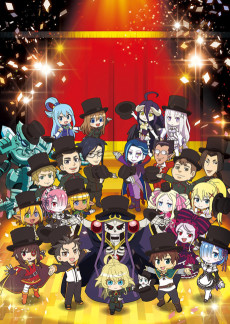
Isekai Quartet 2
The second season of Isekai Quartet.
Your favorite isekai characters return for more exciting crossovers in our everyday world! This time the Shield Hero joins in, and he’s brought Raphtalia and Filo along with him. What kind of shenanigans will the crews of Re:Zero, Overlord, KonoSuba, Saga of Tanya the Evil, and now, The Rising of the Shield Hero get into together?
(Source: Funimation)
📺Anime Details
📝Editorial Analysis
The cafeteria scene where Kazuma tries to bribe Ainz with a slightly dented can of melon soda—only for Filo to dive-bomb the table, sending snacks flying while Shield Hero sighs so deeply his hair ruffles—is exactly it. Not the stakes, not the magic, but the sheer, unguarded clatter of personalities colliding in fluorescent-lit mundanity. No world-ending threat, no dramatic monologue—just sticky tabletops, mismatched chairs, and the quiet miracle of Raphtalia calmly wiping cracker dust off her apron while Tanya sips tea like she’s reviewing war crimes paperwork.
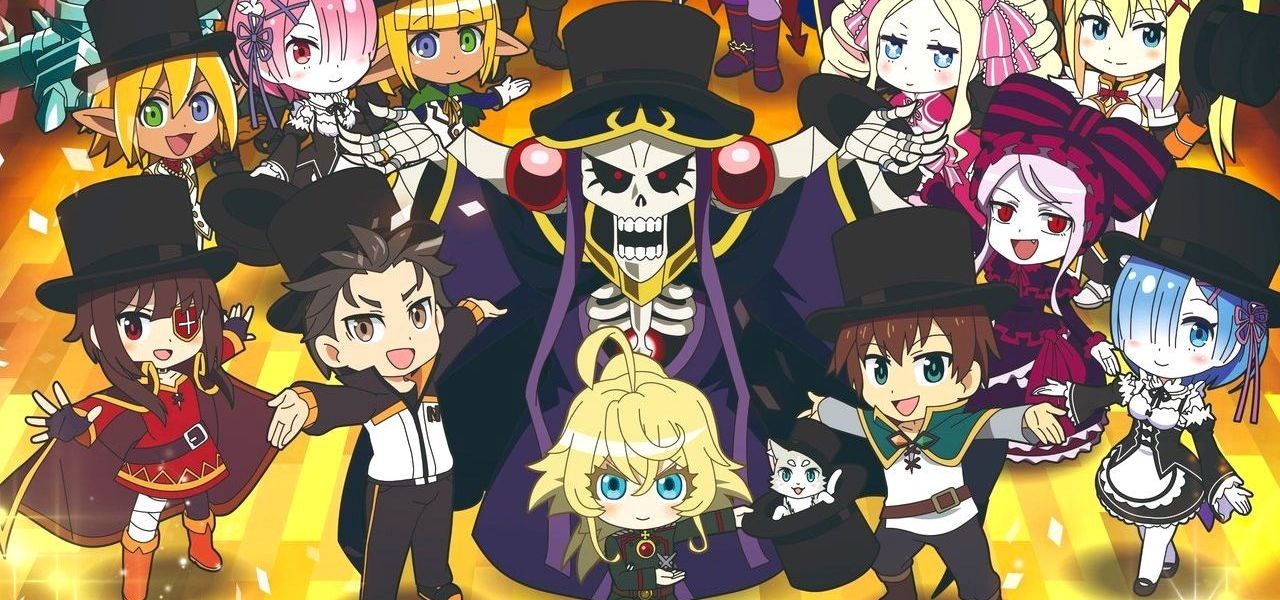
What Isekai Quartet 2 makes you feel isn’t nostalgia or escapism—it’s recognition. That warm, slightly absurd hum when you realize your favorite characters aren’t icons frozen in their own mythos, but roommates who bicker over whose turn it is to clean the chalkboard erasers. It’s the relief of seeing Overlord’s undead overlord reduced to squinting at a pop quiz on basic arithmetic, or Re:Zero’s Subaru attempting (and failing) to explain why “moe” isn’t a combat stat. There’s zero irony in the sincerity—it’s not parody of the shows, but parody with them, built on deep affection and shared exhaustion. You don’t laugh at the characters—you laugh with them, mid-sigh, mid-snack, mid-“why does this vending machine only accept coins from 2013?”
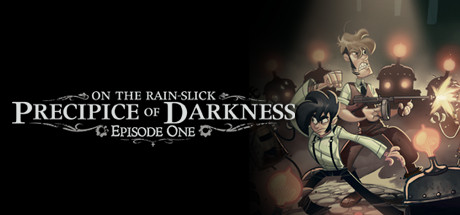
That emotional DNA pulses strongest in Precipice of Darkness, Episode One, where the entire premise hinges on genre-aware chaos rooted in everyday absurdity: a JRPG framework wrapped around a comic-book logic that treats bureaucracy, bad coffee, and poorly timed demon summonings with equal narrative weight. The player review nails it—“Fun as hell, especially if you enjoy the Penny Arcade style of humor”—because like Isekai Quartet 2, it doesn’t need you to know the source material to feel the rhythm: the punchline lives in the pause before the spell fizzles, the way a special attack fails because someone misread the incantation as “abracadabra” instead of “abracadaver.” It’s comedy that breathes like real life—even when goblins are filing tax forms.
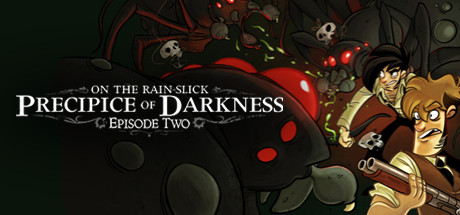
Then there’s Precipice of Darkness, Episode Two, which doubles down—not by escalating stakes, but by leaning into the glitch. The player review’s offhand complaint about input delay in the special attack minigame isn’t a flaw; it’s texture. That tiny friction—pressing a button exactly right and still missing the timing—mirrors Isekai Quartet 2’s entire aesthetic: characters perpetually one step out of sync with the world’s physics, its rules, its lunch schedule. When Ainz attempts to levitate a juice box and it wobbles sideways, or when Tanya’s tactical briefing gets derailed by Filo asking if “logistics” means “where the snacks are stored,” it’s not randomness—it’s resonance. Both works treat narrative coherence like a suggestion, not a law, trusting the audience to find meaning in the stumble, the delay, the perfectly timed blink before disaster.
None of this works without reverence disguised as silliness. These aren’t deconstructions—they’re gatherings. And the people who’ll love them most? Not just fans of isekai or JRPGs—but those who’ve ever stayed late after class to help a friend reorganize their backpack, who’ve laughed until they snorted while arguing whether pudding counts as breakfast, who recognize heroism not in final blows, but in remembering to bring extra tissues to group study. They’re the ones who keep the same chibi plushie on their desk for three years, who quote Tanya’s deadpan delivery while waiting for the bus, who pause mid-game to text a friend: “Dude. Just saw Filo try to use ‘Shield’ as a verb. ‘I will shield this cupcake from injustice.’ I’m crying.” That’s the heartbeat—warm, ridiculous, stubbornly kind—and it’s beating in both the cafeteria and the rain-slicked alley, in equal measure.
🎮12 Games That Match the Vibe


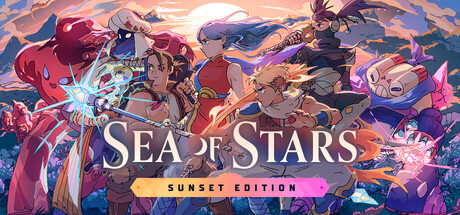
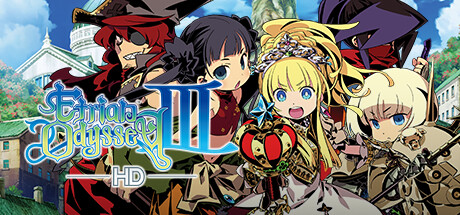
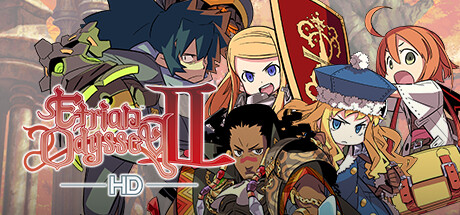

Match Dimensions Explained
❓Frequently Asked Questions
Why is Precipice of Darkness listed as similar to Isekai Quartet 2?
Because both lean hard into absurdist, meta-comedy with ensemble casts bouncing off each other—like when the Isekai Quartet 2 cast does a chaotic cooking challenge, Precipice of Darkness Episode One mirrors that energy with its Penny Arcade-style banter between your custom comic avatar and snarky NPCs like Tycho and Gabe. The JRPG narrative structure and parody-driven cutscenes (e.g., the 'Squidfather' boss fight in Episode Two) nail the same playful, fourth-wall-tweaking vibe.
Is there an anime or game adaptation of Isekai Quartet 2?
No—there’s no official game adaptation of Isekai Quartet 2 itself, but fans looking for that crossover-comedy energy should jump straight into Precipice of Darkness, Episode One and Episode Two. Both games are actual licensed adaptations (of the Penny Arcade webcomic), not fan-made, and deliver the same rapid-fire group dynamics and genre-savvy humor you love from the anime’s cafeteria debates or class trip shenanigans.
How does Precipice of Darkness Episode Two compare to Episode One for Isekai Quartet 2 fans?
If you loved Isekai Quartet 2’s escalating chaos—like the beach episode where everyone’s powers glitch hilariously—Episode Two doubles down: it keeps the same character-driven comedy and turn-based JRPG combat, but adds that infamous special attack minigame (with input delay quirks, per player reviews) that feels like trying to coordinate a group spell during one of Quartet’s disastrous magic lessons. Episode One sets up the tone, but Episode Two leans even harder into ensemble absurdity.
What’s the best game like Isekai Quartet 2 if I just want wholesome, low-stakes hangout energy?
Go with Precipice of Darkness, Episode One—it’s got that warm, self-aware camaraderie you crave: your custom comic avatar bickering with Tycho over coffee while Gabe tries (and fails) to explain quantum physics, all wrapped in lighthearted JRPG pacing and zero life-or-death stakes. It’s not about saving worlds—it’s about surviving group banter, just like Isekai Quartet 2’s classroom slice-of-life moments.