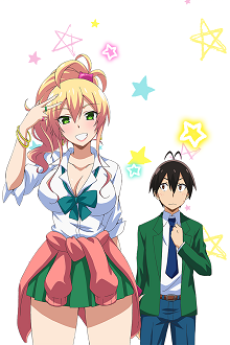
My First Girlfriend is a Gal OVA
📺Anime Details
📝Editorial Analysis
The sticky heat of summer air clinging to skin—tanned, glittering with sweat and cheap body spray—as Junichi stumbles backward off a curb, tripping over his own shoelaces while trying to hold two melting soft-serve cones, one for him, one for his gyaru girlfriend who’s already halfway down the block, laughing so hard she’s holding her side and flashing a glimpse of gold hoop earring under neon-lit pachinko parlors. That moment—clumsy, sun-drenched, absurdly tender—isn’t just comedy. It’s warmth. Not the polished, sentimental kind. The kind that smells like sunscreen and fried dough, that leaves salt on your lips and a faint ache behind your ribs because you recognize how hard it is to be this unguarded, this earnest, in public.
What makes My First Girlfriend is a Gal OVA vibrate with such specific energy isn’t its ecchi gags or harem scaffolding—it’s the weightlessness of its sincerity. This isn’t irony dressed as affection. It’s Junichi blushing so violently he looks feverish, not because he’s embarrassed by desire, but because he’s genuinely overwhelmed by how brightly another person exists in his world—her laugh too loud, her confidence too bright, her tanned shoulders catching streetlight like polished amber. The urban sprawl isn’t backdrop; it’s texture—the clatter of train platforms, the hum of convenience store freezers, the way cosplay shops bleed into love hotels and ramen stalls. You don’t watch it to escape reality—you watch it because it presses into reality, magnifying the small, sweaty, ridiculous stakes of being sixteen and suddenly, terrifyingly seen. It makes you feel alive, not aspirational, not nostalgic—but present, in all your awkward, sunburnt, hopeful mess.
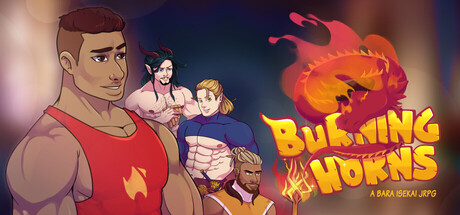
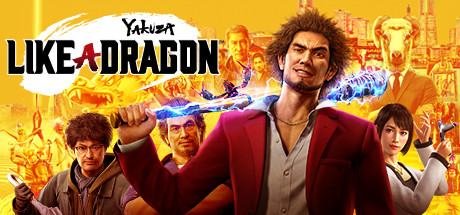
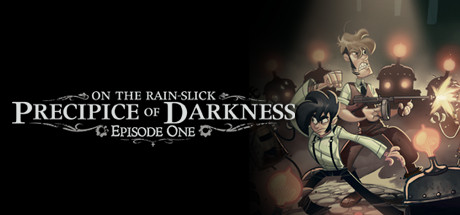
That same emotional DNA pulses through Burning Horns: A Bara Isekai JRPG, where parody isn’t detachment—it’s devotion. Its 79 score hinges on JRPG Narrative and Comedy & Parody, but what resonates isn’t just the absurd premise (a beefy, mustachioed hero summoned to a world where “bara” aesthetics are canon law), it’s how the game leans into sincerity through exaggeration—just like Junichi’s trembling hands when handing over a hand-made friendship bracelet. The player review doesn’t mention mechanics or stats; it feels the tone: the commitment to joy as a narrative engine. Same with Like a Dragon: Pirate Yakuza in Hawaii, also scoring 79 in identical dimensions. Here, Kiryu trading his suit for a floral shirt and wielding a ukulele isn’t winking at the audience—it’s embracing the ridiculousness of reinvention with the same wide-eyed vulnerability Junichi shows when trying (and failing) to master basic gyaru slang. The Hawaii setting isn’t escapism—it’s texture, like Shibuya’s alleyways in the OVA: humid, saturated, full of unexpected kindness from strangers who see you trying. And Yakuza: Like a Dragon, scoring 74, shares that same unembarrassed earnestness—Ichiban’s relentless optimism isn’t naive; it’s armor forged in real hurt, worn lightly, like Junichi’s nervous grin after surviving another disastrous date. Even Precipice of Darkness, Episode One, with its 70 score and player review calling it “Fun as hell, especially if you enjoy the Penny Arcade style of humor,” mirrors the OVA’s rhythm: slapstick that lands because it’s rooted in character, not punchline—a chaotic, handmade energy where every misstep feels human, not scripted.
This pairing isn’t for fans of “romance” or “comedy” as categories. It’s for the person who keeps their phone camera roll full of blurry, sun-flared shots of friends mid-laugh on city sidewalks—who cries at karaoke because someone sang off-key with everything they had—who finds holiness in the mundane, in the way light hits a soda can left on a park bench, in the shared, breathless silence after a terrible joke lands perfectly. It’s for those who know warmth isn’t passive—it’s the courage to be uncool, unpolished, unafraid of looking foolish just to stay close to something real, something glittering and temporary and true.
🎮12 Games That Match the Vibe



Match Dimensions Explained
❓Frequently Asked Questions
Why is Burning Horns listed as similar to My First Girlfriend is a Gal OVA?
Because both lean hard into absurd, self-aware comedy layered over JRPG structure—Burning Horns’ protagonist constantly breaks the fourth wall while navigating over-the-top bara-coded fantasy tropes (like shirtless dragon lords debating dating etiquette), mirroring how the OVA’s Kazuki stumbles through cringe-y romantic missteps with escalating parody. Reviewers specifically called out its 'Penny Arcade–level commitment to genre satire' and 79 score in Comedy & Parody.
Is there a video game adaptation of My First Girlfriend is a Gal?
No—there’s no official game adaptation. But fans who love the OVA’s blend of awkward teen romance and rapid-fire gag writing often gravitate toward Precipice of Darkness, Episode One, which shares that same irreverent, comic-panel pacing and meta-humor (e.g., your custom avatar literally argues with NPCs about RPG tropes mid-quest). It’s an AU spin-off, not a direct adaptation—but reviewers say it ‘hits the same sweet spot of smart dumbness.’
How does Like a Dragon: Pirate Yakuza in Hawaii compare to Yakuza: Like a Dragon for fans of My First Girlfriend is a Gal’s tone?
Pirate Yakuza leans even further into cartoonish parody—think Ichiban wearing a flamingo-print lei while negotiating a truce via conga-line diplomacy—whereas Like a Dragon (2020) keeps more grounded (but still goofy) character moments, like Adachi’s deadpan rants during turn-based battles. Both scored 79/74 in Comedy & Parody, but Pirate Yakuza’s tropical absurdity mirrors the OVA’s escalating situational chaos better than the original’s slower-burn charm.
What’s the best game like My First Girlfriend is a Gal OVA if I want something upbeat, silly, and full of over-the-top reactions?
Go straight to Like a Dragon: Infinite Wealth—it’s got Kazuma Kiryu doing karaoke duets with a sentient vending machine *and* Ichiban leading a flash mob to defuse a gang standoff, all wrapped in bright visuals and punchline-per-second dialogue. Its 74 score in Comedy & Parody matches the OVA’s energy, and players consistently mention how its ‘unhinged but heartfelt’ tone feels like stepping into one of Kazuki’s increasingly disastrous dates.