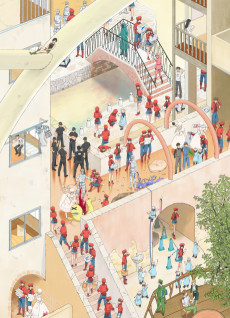
Cells at Work!: The Common Cold
📺Anime Details
📝Editorial Analysis
The first time a neutrophil slams into a virus like a linebacker tackling a quarterback—sparks flying, mucus splattering like cartoonish glitter—you don’t laugh at the biology. You laugh with it. Not because it’s silly, but because the sheer, sweaty, human urgency of it lands like a punchline you didn’t know you needed: white blood cells sprinting through capillaries like commuters late for a shift, macrophages sighing like overworked ER nurses, and that one exhausted dendritic cell dragging itself up a lymph node ladder like it’s climbed Everest in loafers. This isn’t metaphor—it’s translation. The body isn’t a battlefield or a factory. It’s a city where every citizen clocks in, gets flustered, argues about protocols, and occasionally trips over their own organelles.
What makes Cells at Work!: The Common Cold vibrate with such rare warmth is how it treats labor as inherently dramatic, tender, and absurd—not heroic in the mythic sense, but heroic in the daily. There’s no grand villain monologue; the common cold is just… there, a dumb, persistent nuisance that forces everyone to adapt, improvise, and show up anyway. The comedy isn’t slapstick for its own sake—it’s the physical language of exhaustion, miscommunication, and stubborn professionalism. You feel the weight of responsibility in a platelet’s tiny hands, the quiet pride in a helper T-cell double-checking antigen presentation, the relief when fever breaks—not as plot points, but as shared human rhythms. It makes you think about your own body not as a machine to optimize, but as a workplace full of colleagues you’ve never met but depend on utterly. It’s grounded, warm, and deeply respectful of routine—even when that routine involves sneezing out 200,000 dead viruses.
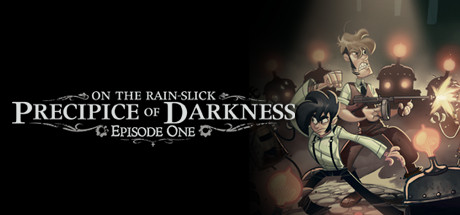
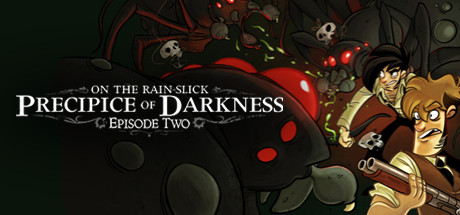
That same emotional DNA hums in Burning Horns: A Bara Isekai JRPG, where parody isn’t just wink-wink—it’s structural scaffolding for sincerity. Like the anime’s neutrophils bickering over phagocytosis technique while dodging viral debris, this game layers absurdity (bara-coded fantasy tropes, over-the-top muscle physics) onto real narrative labor: party members negotiating hierarchy, healing magic requiring paperwork, quest-givers complaining about HR compliance. Player reviews call it “fun as hell”—not detached irony, but the joy of seeing systems breathe, sweat, and crack jokes mid-crisis. Same with Like a Dragon: Pirate Yakuza in Hawaii: the pirate ship isn’t a set piece—it’s a floating office where crew dynamics mirror immune responses: the captain delegates like a cytokine storm, the quartermaster logs loot like a dendritic cell logging antigens, and every bar fight ends with someone refilling the rum ration and checking inventory. The 79 score isn’t for spectacle—it’s for how deeply the comedy serves the ensemble’s collective stakes. Even Precipice of Darkness, Episode One, with its Penny Arcade-style art and AU framing, mirrors the anime’s tonal tightrope: “Fun as hell” because the humor never undermines the world’s internal logic—just like how Cells at Work!: The Common Cold never lets the joke eclipse the fact that this cell is literally dying so you can breathe tomorrow.
This pairing sings loudest for people who find catharsis in systems that care. Not power fantasies—but stories where competence is contagious, where bureaucracy has soul, and where laughter rises from shared fatigue, not mockery. Think: the nurse who texts memes about IV pump errors, the lab tech who names her pipettes, the coder who writes unit tests with dad-joke comments. They don’t want escape—they want recognition. Recognition that showing up, even when the enemy is a rhinovirus and your armor is glycoprotein, is enough. That the most radical act isn’t slaying dragons—it’s restocking the supply closet, filing the incident report, and high-fiving the guy who just stabilized the pH balance. These aren’t stories about saving the world. They’re about keeping it running—one shift, one sneeze, one perfectly timed parry at a time.
🎮11 Games That Match the Vibe









Match Dimensions Explained
❓Frequently Asked Questions
Why does Burning Horns feel like a spiritual successor to Cells at Work!: The Common Cold?
Because both lean hard into absurd biological parody—Burning Horns swaps white blood cells for horny, over-the-top bara-coded adventurers battling literalized STDs and immune-system metaphors in dungeon-crawling combat. Its JRPG narrative and relentless comedy (like a boss fight where you negotiate with a sentient herpes virus using flirtation-based skill checks) mirrors the tone and educational satire of Cells at Work!'s cold episode.
Is there a game adaptation of Cells at Work! that’s actually playable on Switch or PC?
No official Cells at Work! game exists—but fans who love its blend of medical accuracy and slapstick find the closest fit in Precipice of Darkness, Episode One, where you build a comic-style avatar and battle surreal, body-horror-adjacent threats (like the 'Mucus Maw' boss) using turn-based JRPG mechanics and Penny Arcade–style absurdist writing.
How does Like a Dragon: Pirate Yakuza in Hawaii compare to Cells at Work!: The Common Cold in terms of humor and science?
While neither is scientifically rigorous, Pirate Yakuza matches Cells’ tonal whiplash—imagine Ichiban delivering a heartfelt monologue about macrophage loyalty *right before* cannonballing into a volcano-shaped ‘fever blister’ boss arena. Both use over-the-top JRPG narrative and parody to humanize complex systems (immune response vs. organized crime), but Pirate Yakuza trades lymph nodes for tiki bars and sneeze reflexes for karaoke-based status effects.
What’s the best game like Cells at Work!: The Common Cold if I want something silly but still feels like a real RPG?
Go with Yakuza: Like a Dragon—it’s got full party-switching JRPG combat, absurd side quests (like helping a constipated ‘Intestinal Fortitude’ NPC), and the same commitment to treating bodily functions as high-stakes drama. You’ll even get mini-games where you ‘boost immunity’ by eating ramen combos, just like Cells’ food-as-fuel logic—but with way more disco dancing.