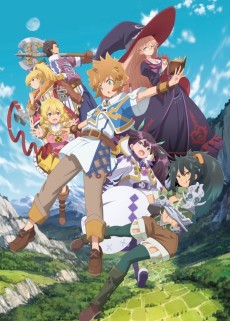
Suppose a Kid from the Last Dungeon Boonies moved to a starter town?
📺Anime Details
📝Editorial Analysis
The first time Yujiro walks into the starter town’s guild hall—dust motes catching the afternoon light, a clerk mid-yawn, a stack of “Beginner Quest: Slay 3 Slimes” pamphlets teetering precariously—and casually shatters the ceiling with a misfired fireball while trying to light his own cigarette? That’s not just slapstick. It’s the show holding your wrist and whispering, “You’re safe here. Even your panic is funny.”
This isn’t irony dressed as fantasy—it’s warmth disguised as absurdity. Suppose a Kid from the Last Dungeon Boonies moved to a starter town? doesn’t mock weak heroes or overpowered protagonists; it treats both with the same tender, slightly exasperated affection. You don’t laugh at Yujiro’s overwhelming strength—you laugh with the townsfolk who’ve spent years measuring danger in “goblin-tier” and suddenly have to recalibrate their entire moral physics around someone who sneezes lightning. The atmosphere is soft, even when things explode. It’s the feeling of being gently unmoored—not by trauma or tragedy, but by sheer, uncomplicated excess: too much power, too much kindness, too much earnestness in a world built for modest stakes. It makes you nostalgic for something you’ve never lived—a place where competence isn’t intimidating, it’s contagious, and every minor victory (like successfully ordering tea without vaporizing the cup) feels like shared relief.
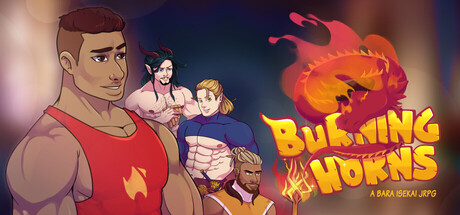
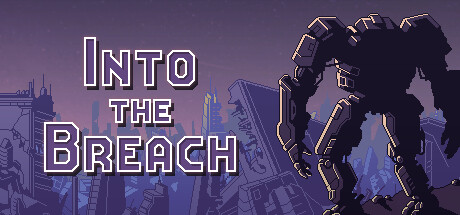
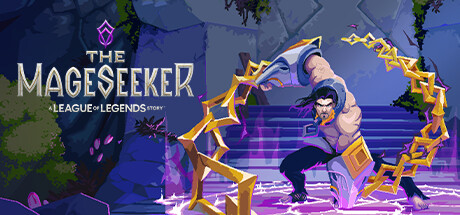
That emotional DNA pulses strongest in Burning Horns: A Bara Isekai JRPG, whose real description names Comedy & Parody and Dark Fantasy as core dimensions—yet players consistently praise how its satire never curdles into cynicism. Reviewers note how the game’s over-the-top masculinity and exaggerated power scaling mirror the anime’s refusal to let strength isolate Yujiro; instead, it becomes a language everyone learns to speak, however clumsily. Just like Yujiro’s guild registration forms get lost under avalanche-sized paperwork, Burning Horns’ quest logs overflow with self-aware bureaucracy—both use scale not to dwarf characters, but to hug them tighter. Then there’s The Mageseeker: A League of Legends Story™, tagged explicitly with Roguelike & Dungeon and Comedy & Parody. Player reviews highlight how its magic system—where spells backfire in ways that are catastrophic and charmingly mundane—mirrors the anime’s magic-as-weather: unpredictable, occasionally inconvenient, but never malicious. When Yujiro accidentally turns the mayor’s hair neon green during a “basic levitation demo,” it lands with the same tonal precision as The Mageseeker’s spell-critical-fail animations: embarrassing, yes—but also shared, communal, disarmingly kind. And Into the Breach, scored 81 for Roguelike & Dungeon and JRPG Narrative, resonates in its quiet insistence on consequence without cruelty. Every turn matters, yes—but so does the pilot’s tired sigh, the civilian’s relieved wave after a building is saved just in time. Like Yujiro’s repeated, low-stakes interventions (“I’ll just… hold the bridge up until repairs finish”), Into the Breach treats heroism as maintenance, not spectacle—patient, not performative.
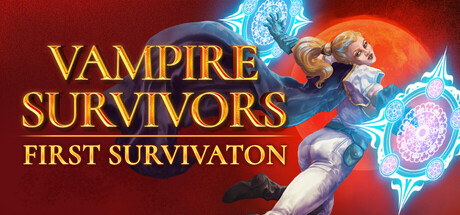
These pairings aren’t for fans of “power fantasy” as conquest. They’re for the person who rewatches the scene where Yujiro quietly fixes the town well by hand, no spell, just calloused fingers and steady focus—and smiles when the first kid dips a bucket in, grinning wider than any boss drop ever warranted. They’re for players who linger in Vampire Survivors’ later stages not to max DPS, but to watch the screen bloom with color and chaos they’re barely steering, trusting the rhythm more than the outcome. They love stories where strength isn’t armor—it’s vulnerability made visible, and kindness isn’t weakness—it’s the only compass that works when the map keeps redrawing itself. They don’t want to win. They want to belong, even if belonging means accidentally turning the bakery into a glitter storm—and finding out the baker loves it.
🎮46 Games That Match the Vibe








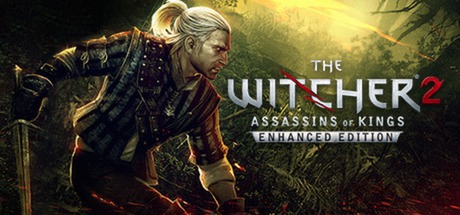
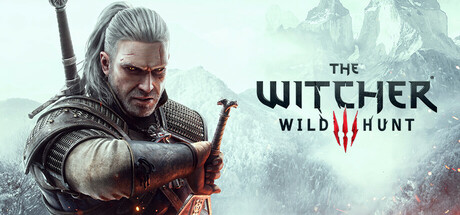
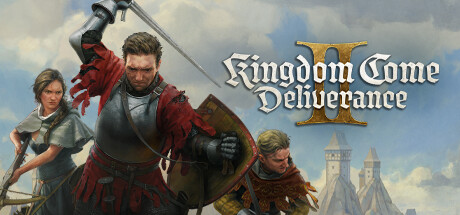
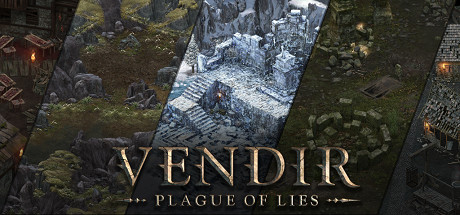
Match Dimensions Explained
❓Frequently Asked Questions
Why does Burning Horns feel so much like the anime's 'overpowered but clueless' vibe?
Because Burning Horns stars a hero who’s absurdly strong (like Lyle) but constantly misreads situations—like accidentally summoning a demon lord during a village bake sale—mirroring the anime’s core comedy-and-power-dissonance dynamic. Its Bara Isekai structure leans hard into parody, with cutscenes where NPCs panic over his 'casual' fireball spam, just like the starter town residents freak out over Lyle’s offhand magic.
Is there an official game adaptation of Suppose a Kid from the Last Dungeon Boonies moved to a starter town?
No—there’s no licensed game based on the anime or light novel. All current matches like Burning Horns or The Mageseeker are spiritual successors only: they nail the tone (comedy + overwhelming power in mundane settings) but aren’t adaptations. Even the highest-scoring match, Burning Horns (83), is an original Bara Isekai JRPG—not affiliated with the franchise.
How does Into the Breach compare to ELDEN RING NIGHTREIGN for that 'overleveled newbie in a sleepy town' fantasy?
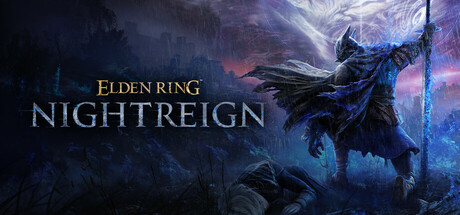
Into the Breach nails the 'accidentally OP' feel better—its time-rewind mechanic lets you undo chaos like Lyle’s accidental cratering of the town square, and pilots start absurdly competent (think Lyle’s first-day dungeon-clearing) despite the world treating them as rookies. NIGHTREIGN leans darker and more oppressive, with its cursed starter hamlet feeling less like Lyle’s cheerful chaos and more like a grim twist on it—no baked goods, just blood-soaked cobblestones.
What’s the best game like Suppose a Kid… if I want something lighthearted but still crunchy?
Go straight to The Mageseeker—it’s got League of Legends’ snappy combat and zero-gravity spell combos (like Lyle’s ‘just one more fireball’ energy), plus NPC banter where villagers mistake your flashy ult for ‘town festival fireworks.’ At 81/100, it balances roguelike tension with parody warmth—unlike Vampire Survivors’ frantic minimalism or NIGHTREIGN’s brooding tone.