
KONOSUBA -God's blessing on this wonderful world!- Legend of Crimson
A video game-loving shut-in, Satou Kazuma's life should've ended when he was hit by a truck, but through a twist of fate, he ends up reincarnating in another world--and dragging the troublemaking goddess, Aqua, the wildly dorky mage, Megumin, and the unrelentingly delusional lady knight, Darkness, with him.
Now, the Crimson Demon village that Megumin and Yunyun are from is facing a threat that could mean its ending. Kazuma and his gang follow Yunyun, who returns to the Crimson Demon village intent on saving it... when they are faced with their greatest threat yet! What will become of the unremarkable adventurer Kazuma's life in another world?!
(Source: Crunchyroll)
📺Anime Details
📝Editorial Analysis
The smell of burnt gunpowder and singed hair hangs in the air—not from battle, but from Megumin’s Explosion misfiring again, vaporizing half the Crimson Demon village’s training grounds while she cackles, arms raised, eyes blazing with delusional triumph. Kazuma facepalms so hard his palm leaves a red imprint; Aqua shrieks about “wasted divine mana” while trying (and failing) to heal a charred scarecrow; Darkness kneels beside the smoldering crater, whispering something about “the exquisite agony of collateral devastation.” It’s chaos—loud, stupid, deeply affectionate—and it lands like a well-aimed fireball to the gut: absurd, tender, and utterly real in its emotional logic.
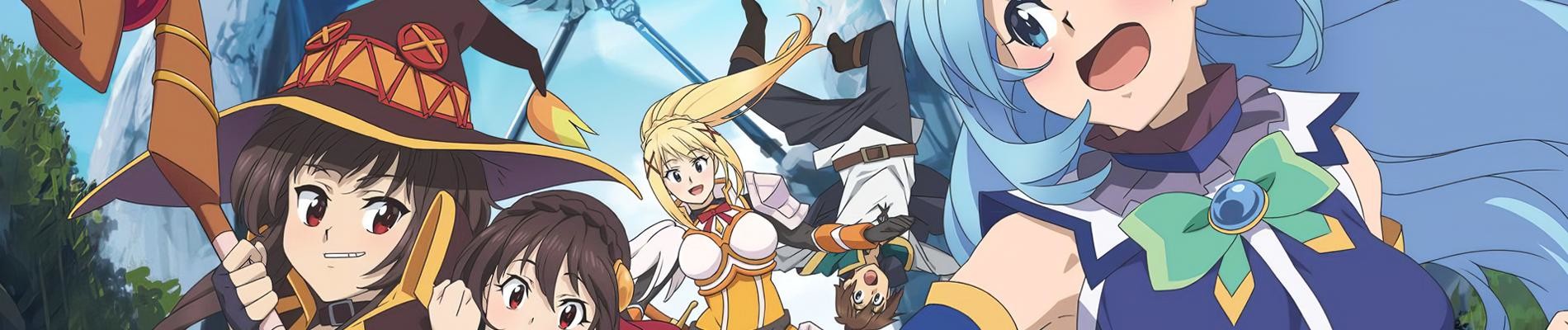
What makes KONOSUBA -God's blessing on this wonderful world!- Legend of Crimson vibrate at this particular frequency isn’t just parody or isekai—it’s the weight of commitment to the bit. These characters don’t wink at the audience; they live inside their contradictions. Megumin’s chuunibyou isn’t a gag—it’s her devotion, her identity, her love language. Darkness’s masochism isn’t fetishized—it’s rendered with such sincere, awkward vulnerability that you ache for her. The fantasy world isn’t grandiose—it’s bureaucratic, underfunded, littered with cursed vending machines and gods who bicker over lunch budgets. You don’t laugh at them—you laugh with them, breathless and slightly winded, because their desperation to matter—to be seen, even if only as a walking disaster—is human, raw, and weirdly noble.
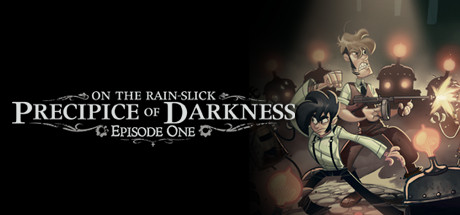
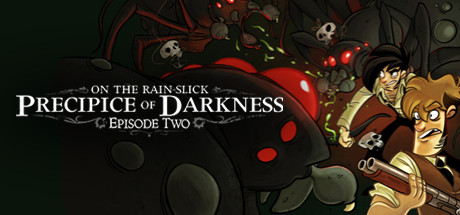
That same energy pulses through Precipice of Darkness, Episode One and Precipice of Darkness, Episode Two. Both games wear their JRPG scaffolding like ill-fitting cosplay—deliberately clunky, knowingly self-sabotaging, built to bend rather than impress. Like Kazuma dragging Aqua through a dungeon while she complains about monster hygiene, these games revel in narrative whiplash: one moment you’re solving a noir-style mystery in a rain-lashed city, the next you’re battling a sentient spreadsheet in a boss fight that mocks your save file. The player review nails it: “Fun as hell, especially if you enjoy the Penny Arcade style of humor…”—a humor rooted not in punchlines, but in commitment to the ridiculous premise. Just as Megumin insists Explosion is the pinnacle of magical theory despite its catastrophic ROI, the Precipice games double down on absurd mechanics—the “special attack minigame” with its input delay isn’t a flaw; it’s part of the joke, a shared shrug between developer and player: Yes, it’s broken. Yes, we meant it to be. That’s the same DNA: the joy of building something magnificent out of duct tape, hubris, and sheer, stubborn heart.
And it’s all held together by ensemble chemistry—characters who clash, enable, exhaust, and choose each other anyway. Kazuma doesn’t lead; he stumbles alongside. Darkness doesn’t serve a cause—she serves them, even when they’re setting her hair on fire. In Precipice, your party banter crackles with the same frayed intimacy: snarky, loyal, deeply silly, never condescending. There’s no “chosen one” aura—just flawed people making terrible decisions in service of something softer underneath: belonging, legacy, the quiet thrill of being understood, even when you’re screaming about eldritch geometry at 3 a.m.
This pairing sings loudest for the viewer who keeps rewinding Megumin’s first real smile after her spell works—not perfectly, but enough—and for the player who grins when their Precipice character misses a jump, tumbles into a dumpster, and delivers a monologue about existential dread while still inside it. It’s for anyone who’s ever loved something so fiercely that its flaws feel like fingerprints—warm, familiar, theirs. Not perfection. Not power fantasy. Just the messy, glittering, explosive relief of finding your people in the rubble—and laughing, breathless and alive, while the smoke clears.
🎮11 Games That Match the Vibe


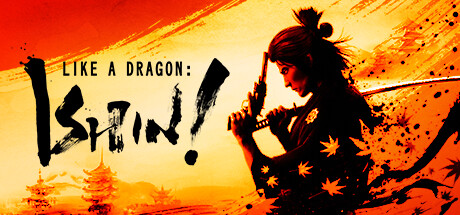

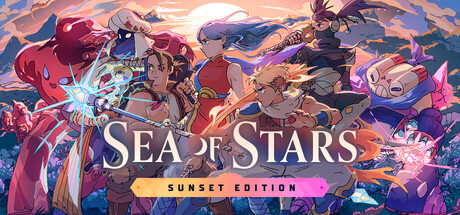

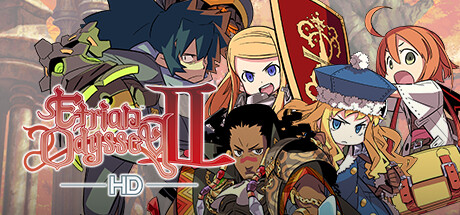

Match Dimensions Explained
❓Frequently Asked Questions
Why is Precipice of Darkness often compared to KONOSUBA: Legend of Crimson?
Because both lean hard into self-aware, fourth-wall-breaking comedy and parody JRPG tropes—like Kazuma’s constant scheming or Crimson’s absurd party dynamics—while wrapping it in a turn-based combat system full of over-the-top special moves. Precipice of Darkness mirrors that energy with its Penny Arcade-style snark, like when your custom comic-book hero gets roasted mid-battle by a sentient toaster (yes, really), and the whole tone feels like Aqua yelling at Megumin for blowing up the inn—again.
Is there an anime or visual novel adaptation of Precipice of Darkness like KONOSUBA has?
No—Precipice of Darkness only exists as two episodic RPG-adventure games (Episodes One and Two), with no anime, manga, or visual novel spin-offs. Unlike KONOSUBA—which exploded across anime, light novels, and even stage plays—Precipice stays firmly in its niche: a witty, low-budget, dialogue-driven JRPG narrative built around comic-panel aesthetics and absurdist satire.
How does Precipice of Darkness compare to Disgaea in terms of humor and gameplay?
Disgaea leans into anime-obsessed, hyper-stylized escalation (think Laharl shouting about being the Overlord), while Precipice of Darkness matches KONOSUBA’s grounded-but-silly vibe—dry, rapid-fire banter between characters like the sarcastic detective and his long-suffering partner, plus combat minigames where timing feels just *off* enough to be hilarious (like that input-delayed special attack scene in Episode Two). Both parody JRPGs, but Precipice nails the ‘frustrated yet affectionate’ tone KONOSUBA fans love.
What’s the best game like KONOSUBA: Legend of Crimson if I want something that’s chaotic, character-driven, and makes me laugh *during* battles?
Go straight to Precipice of Darkness, Episode One—it’s got that exact rhythm: turn-based fights where your party bickers mid-combat (‘I told you not to summon the gelatinous cube near the espresso machine!’), goofy enemy designs like bureaucratic goblins who file complaints mid-battle, and a story that treats world-ending stakes like a minor scheduling conflict—just like when Megumin tries to cast Explosion while Kazuma’s trying to haggle over rice balls.