
Deathmatch Classic
Enjoy fast-paced multiplayer gaming with Deathmatch Classic (a.k.a. DMC). Valve's tribute to the work of id software, DMC invites players to grab their rocket launchers and put their reflexes to the test in a collection of futuristic settings.
🎮Game Details
💬What Players Say
"I could write a review on the game but there is no players at ALL :\ Also, the game is pretty buggy and there is barely any maps (like 4-5 maps). There is only bot servers anyway and I tried it. Its not bad but the shooting is pretty clunky."
"I think I got this in some sort of bundle. I only really explored the maps and my favorites were dmc_dm6, dmc_e1m2, and p_se_3. I didn't really much care for the other ones since they felt too small...."
"not that fun and half life source deathmatch is better"
📝Editorial Analysis
The thud of a rocket hitting steel. Not the explosion—just that hollow, metallic thud, echoing across dmc_dm6’s wide, sun-bleached plaza before the blast even blooms. You’re airborne, mid-air, spinning—not from impact, but from your own jump, your own momentum, your own refusal to land until you’ve fired again. That’s Deathmatch Classic: not combat as narrative, not combat as progression—but combat as pulse. Valve’s tribute to id software, yes—but more precisely, a stripped-down, almost archaeological excavation of pure reflex: rocket launchers, tight maps like dmc_e1m2, and the brittle, beautiful tension of knowing the next shot could come from anywhere—even if, as one player sighs, “there is no players at ALL.”
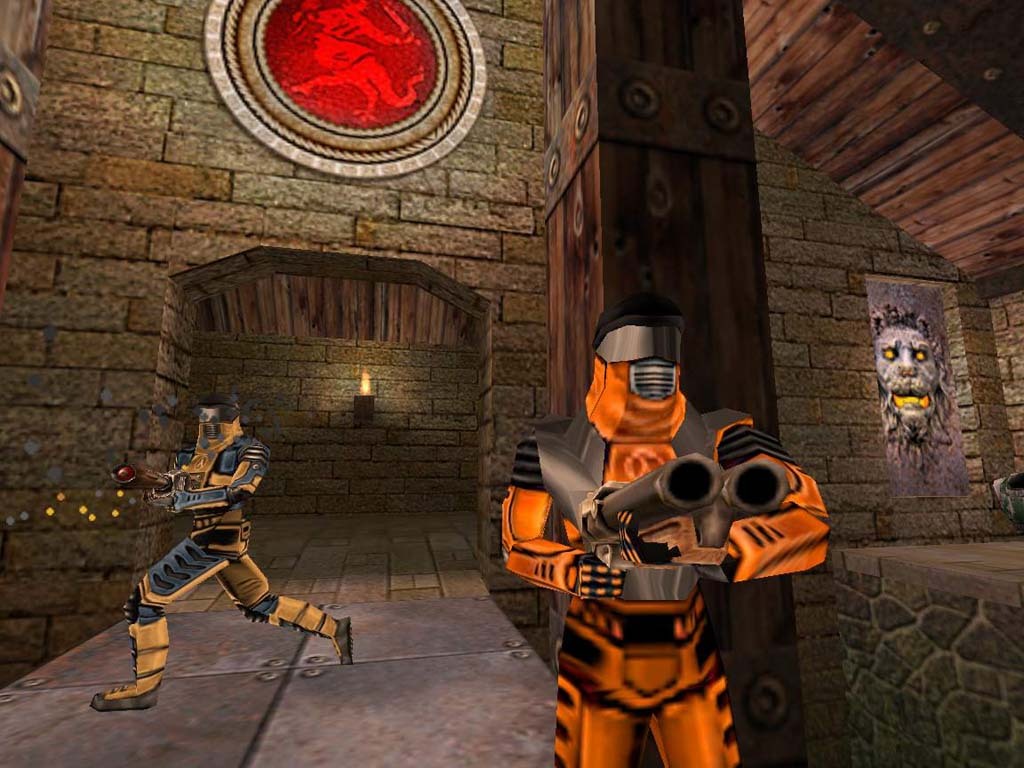
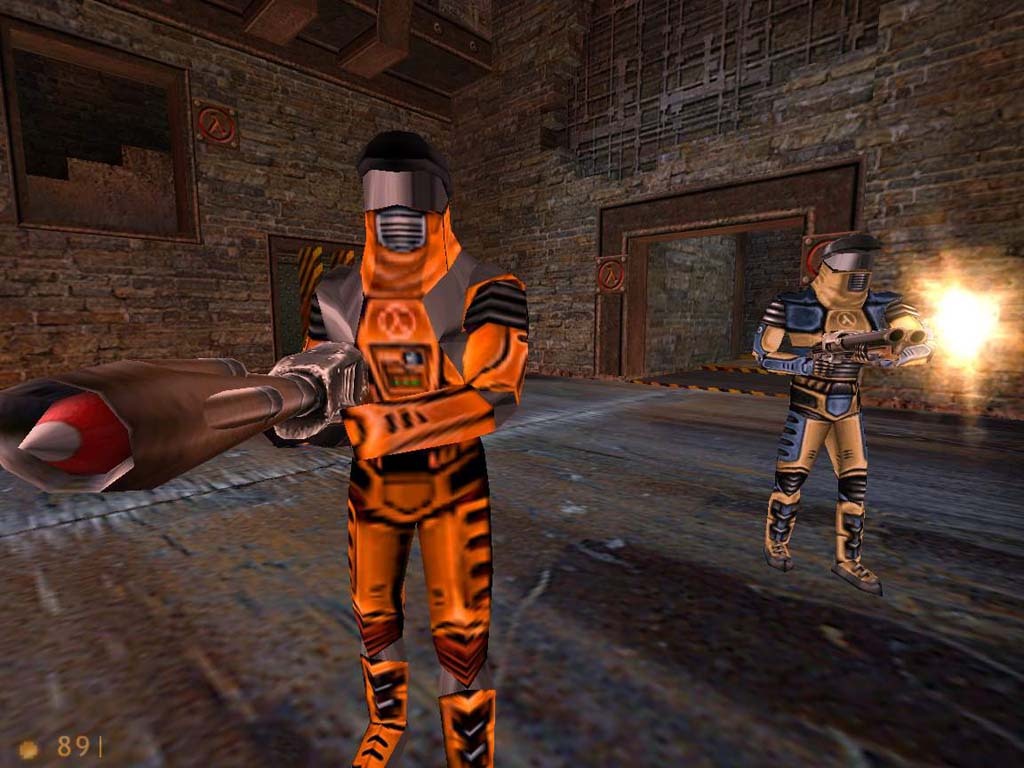

What makes this game’s atmosphere unique isn’t its retro-futurism or its Quake-derived DNA—it’s the loneliness of mastery. You run p_se_3’s narrow corridors alone, testing angles, memorizing bounce paths off walls that feel less like architecture and more like muscle memory made concrete. There are barely any maps—4–5, according to real players—and many feel “too small,” yet that smallness forces intimacy with physics, with timing, with the razor’s edge between control and chaos. It’s not about winning a war. It’s about proving, in a single 0.3-second flick, that your hand and eye still speak the same language. The bugs, the empty servers, the bot-only lobbies—they don’t undermine the feeling. They deepen it. This is competition reduced to its most essential, almost sacred, form: you versus the system, you versus time, you versus the ghost of your last mistake, lingering in the air like smoke.
That same distilled, breathless intensity lives in Hajime no Ippo: The Fighting!—not in its story arcs, but in the way Ippo’s first real sparring match unfolds: no music swell, no flashbacks—just gloves snapping, feet skidding on canvas, sweat stinging eyes, and the crack of a clean hook landing because his body remembered what his mind hadn’t yet processed. Competitive Spirit here isn’t ambition—it’s obedience to motion. Likewise, Megalobox doesn’t romanticize the ring; it treats every round like a map in DMC—tight, unforgiving, demanding spatial awareness down to the millimeter. When Nomad sidesteps a haymaker and fires a counter that lands exactly where his opponent’s weight was, it’s the same precision as lining up a rocket splash on dmc_dm6’s central pillar—no margin, no mercy, just physics and will fused into one instant. And Hinomaru Sumo? Watch the camera lock onto the tachiai—the moment two bodies explode forward from zero—and hold there, not cutting away, not embellishing: just flesh, force, and the thud of impact against clay. That’s DMC’s soul: no UI, no respawn timer narration, no victory fanfare—just the raw, unedited fact of collision.
Even Hikaru no Go, with its listed dimension of Body Horror & Occult, resonates—not through gore, but through the eerie, almost supernatural weight of presence. When Hikaru feels the “ghost” of Sai guiding his hand, it mirrors the uncanny sensation in DMC of playing a map so often that the bots’ patterns become predictable, then familiar, then something like companionship—a silent, algorithmic duet in an empty arena. And Tsurune, with its focus on the archer’s drawn breath before release, shares that same suspended, hyper-aware stillness before action erupts: the quiet hum of anticipation in p_se_3’s loading screen, the way your finger hovers over the fire key, waiting—not for a teammate’s call, not for a story beat, but for the exact frame when the world aligns.
This pairing sings loudest for the player who reloads dmc_e1m2 not to win, but to feel the floor tilt just right as they strafe around the central pillar—then watches Hinomaru Sumo and exhales when a rikishi’s foot lifts one millisecond too late, sending him stumbling out of the dohyō. For the viewer who pauses Megalobox mid-combo not to analyze framing, but to count the frames between punch and recoil—then boots up DMC just to chase that same microsecond-perfect rhythm. They don’t need lore. They don’t need lore. They crave the thud, the snap, the stillness before, the heat of repetition, the lonely joy of doing one thing, perfectly, in an empty world—again and again and again.
→43 Anime That Match the Vibe

Rocket explosions flash across the DMC arena just as Ippo’s first knockout rattles the ring—both moments erupt from raw, unfiltered Competitive Spirit. Unlike most sports narratives, *Hajime no Ippo: The Fighting!* leans into visceral, almost video-game-like impact framing: Ippo’s trembling fists and sweat-drenched focus mirror a player’s split-second aim-down-sight before firing. That shared commitment to Action Spectacle—where timing, stamina, and spatial awareness decide victory—makes their adrenaline rhythms uncannily synchronized.
Connected through 2 aesthetic dimensions.

Connected through 2 aesthetic dimensions.
Connected through 2 aesthetic dimensions.

Connected through 2 aesthetic dimensions.

Connected through 2 aesthetic dimensions.

Fujiwara-no-Sai’s spectral presence—materializing in Hikaru’s peripheral vision mid-game, fingers trembling over the board—mirrors DMC’s arena ghosts: not literal hauntings, but visceral echoes of past clashes etched into the map geometry. Where Sai’s possession blurs bodily autonomy and competitive will, DMC’s rocket-jump feedback loop fuses player reflex, screen shake, and spatial disorientation into a kind of body horror. Their shared Competitive Spirit isn’t just rivalry—it’s the eerie, exhilarating surrender to systems that rewrite perception and control.

Junk Dog’s first underground Megalobox match—sweat, sparks flying from his gear, crowd roaring—hits with the same visceral rush as a DMC rocket-jump frag in tight quarters. Unlike most sports narratives, both reject polished spectacle for raw, consequence-free combat where skill, timing, and nerve define victory—not story arcs or moral lessons. That unrelenting Competitive Spirit makes their resonance startling: two stripped-down arenas where identity dissolves into motion, impact, and split-second mastery.

Ushio Hinomaru’s explosive *hakkeyoi* charge into the dohyō—body low, fists driving, momentum pure—mirrors the split-second rocket-jump-and-strafe chaos of a DMC flag capture. Unlike most sports anime that build tension through endurance, *Hinomaru Sumo* thrives on the same visceral, frame-perfect **Action Spectacle** as DMC’s arena combat: no stamina bars, just raw reflexes, spatial awareness, and the electric thrill of closing distance to deliver decisive impact. That shared commitment to kinetic immediacy—where victory hinges on milliseconds, not minutes—makes their resonance unexpectedly profound.
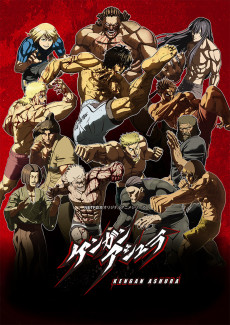
Rocket explosions tear through DMC’s symmetrical arenas just as Kengan Ashura’s Part I opens with Tokita Ohma’s first brutal, sweat-soaked clash in the underground coliseum—both weaponizing raw, unmediated competition. Unlike most sports narratives, they foreground the *Competitive Spirit* not as camaraderie but as visceral, zero-sum ritual: Ohma’s silent focus mirrors a DMC player’s laser-tight aim during sudden-death fragfests. That shared austerity—no exposition, no mercy, just bodies and physics colliding at peak intensity—makes their resonance startlingly precise.













Match Dimensions Explained
❓Frequently Asked Questions
Why is Hajime no Ippo: The Fighting! ranked highest for Deathmatch Classic vibes?
Because its intense, no-holds-barred sparring in the Kamogawa gym mirrors DMC’s raw, reflex-driven chaos—think Ippo’s ‘Fighting Spirit’ bursts syncing with that split-second rocket-jump timing in dmc_dm6. The score (79) reflects how perfectly its Competitive Spirit and Action Spectacle dimensions match DMC’s frantic, map-specific duels like the tight corridors of p_se_3.
Is there an anime adaptation of Deathmatch Classic?
Nope—Valve never made or licensed an official anime adaptation of DMC. But if you love its vibe, Megalobox nails the same energy: Junk Dog’s brutal, high-stakes underground bouts in Neo Tokyo feel like playing dmc_e1m2—tight arenas, explosive momentum shifts, and zero respawns between rounds.
How does Hinomaru Sumo compare to Megalobox for Deathmatch Classic fans?
Both score 76 and deliver Competitive Spirit + Action Spectacle, but Hinomaru leans into claustrophobic, physics-heavy clashes—like sumo wrestlers exploding off the dohyō—that echo DMC’s cramped maps (e.g., p_se_3), while Megalobox’s open-ring mobility and gear-based combos mirror dmc_dm6’s vertical rocket-jump strafing. If you prefer tight, tactile scrums over flashy tech, Hinomaru hits closer.
What’s the best anime like Deathmatch Classic for when I want pure competitive adrenaline (no story bloat)?
Go straight to Tsurune—it’s all about razor-sharp focus, split-second aim adjustments, and tournament pressure, just like lining up a perfect splash-damage shot in dmc_e1m2. No filler arcs, no lore dumps—just archers locking eyes, drawing, and releasing like DMC players juking behind cover before popping out with a shotgun blast.