
Kage no Jitsuryokusha ni Naritakute!: Zankyou-hen
📺Anime Details
📝Editorial Analysis
The air crackles—not with magic, but with static. Not the clean hum of a spell-circle, but the low, grating buzz of flickering neon on rain-slicked asphalt, reflected in the cracked lens of a broken surveillance drone hovering just above a shattered overpass. That’s where Kage no Jitsuryokusha ni Naritakute!: Zankyou-hen lives: not in glittering castles or sun-drenched academies, but in the bruised interstices of a city that knows it’s dying—yet still breathes, still fights, still laughs mid-air while dodging a gravity-warping elf’s blade. You feel it in your molars—the vibration of a sword strike echoing off concrete, the sudden silence after a chuunibyou chant cuts through traffic noise like a shard of glass.
This isn’t fantasy as escape. It’s fantasy as pressure valve. The atmosphere is thick with dissonance: absurd comedy slams into dystopian weight like a rogue spell misfiring inside a subway tunnel; swordplay unfolds beneath flickering holographic ads for energy drinks and anti-magic ordinances; even the elves carry bureaucratic ID cards alongside their ancestral blades. What it makes you feel isn’t wonder—it’s recognition. Recognition of how deeply we armor ourselves with irony, with roleplay, with self-mythology—not to deny reality, but to endure it. The “shadow power” isn’t just plot mechanics—it’s the quiet, defiant act of choosing agency when the world’s architecture is already collapsing. You don’t ascend. You adapt, laugh, parry, and keep moving—gritty, tired, alive.
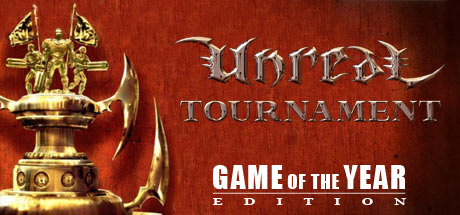
That exact emotional frequency pulses in Unreal Tournament: Game of the Year Edition. Its description calls it “the original King of the Hill in the frag-or-be-fragged multiplayer gaming world”—a phrase that mirrors Zankyou-hen’s core tension: survival isn’t heroic; it’s tactical, immediate, laced with dark humor. A player review says it’s “an excellent classic game to remind you of the good’ole days…”—but what good’ole days? Not nostalgia for simplicity, but for the raw, unfiltered intensity of systems clicking into place under pressure: reload timing, map control, the split-second feint before a rocket jump. That’s the same adrenaline—the same grit—as watching the protagonist weave through collapsing infrastructure while cracking jokes about his own over-the-top title, all while knowing the next strike could end him. Both demand presence, not reverence.
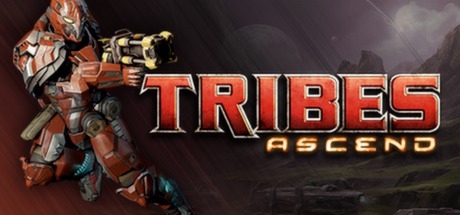
Then there’s Tribes: Ascend, described as packaging “weapon DLC from ten previous expansions as well as new featured content.” That accumulation—layer upon layer of tools, upgrades, legacy—echoes Zankyou-hen’s world-building: magic isn’t monolithic; it’s fragmented, patched, repurposed—elf treaties rewritten, shadow techniques reverse-engineered from forbidden scrolls, urban ruins retrofitted as training grounds. A player admits, “Man, I used to love this game. Just mindless fun. All be it, it could have been expanded…” That wistful, almost mournful acknowledgment of potential unrealized resonates deeply. Zankyou-hen doesn’t promise salvation—it offers resistance, momentary, brilliant, flawed. Like Tribes’ fluid movement across scarred terrain, its victories are kinetic, fleeting, earned in the friction between intention and entropy.
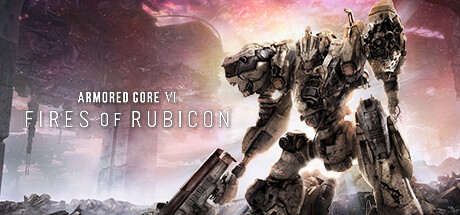
And ARMORED CORE™ VI FIRES OF RUBICON™ lands with that same weight. Its 80-score placement beside “Cyberpunk & Dystopia, Action Spectacle” isn’t coincidence—it’s shared DNA: mechs aren’t sleek heroes; they’re jury-rigged, oil-leaking, battle-scarred instruments operating in a world where corporations weaponize memory and cities burn slow. The anime’s swordplay feels like AC’s combat—precise, punishing, tactile. Every parry has recoil. Every spell costs breath. No one wins clean. You feel the metal fatigue, the mana depletion, the exhaustion behind the smirk.
This pairing isn’t for fans of polished escapism. It’s for the ones who find beauty in scuffed edges: the viewer who rewatches a fight scene not for the choreography alone, but for the way dust motes hang in the light after the explosion; the player who replays a UT map not to win, but to master the rhythm of its decay—how the lift shaft groans before dropping, how the sniper perch sways in wind that smells like ozone and burnt wiring. They’re drawn to stories and systems where hope isn’t handed down—it’s forged, again and again, in the gap between a joke and a strike, between a loading screen and the first bullet fired. Gritty. Resilient. Real.
🎮8 Games That Match the Vibe


Match Dimensions Explained
❓Frequently Asked Questions
Why does Kage no Jitsuryokusha's Zankyou-hen feel so much like Unreal Tournament: GOTY Edition?
Because both lean hard into high-stakes, fast-paced Action Spectacle set against a gritty Cyberpunk & Dystopia backdrop—think Kage’s shadow-clone combat mirroring Unreal Tournament’s arena-style fragging, where split-second movement and spatial awareness (like dodging in UT’s jump pads or Kage’s ‘Phantom Step’) define survival. Players even describe UT’s ‘good’ole days’ intensity as matching Zankyou-hen’s relentless boss gauntlets, like the rooftop duel against Lapis.
Is there an anime or manga adaptation of Kage no Jitsuryokusha: Zankyou-hen?
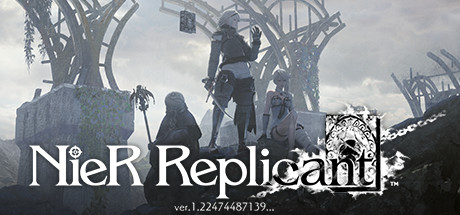
No—Zankyou-hen is currently *only* a light novel arc with no official anime or manga adaptation yet. That said, fans often compare its tonal shift to NieR Replicant’s blend of melancholic storytelling and explosive Cyberpunk & Dystopia action, especially during scenes like Emil’s final stand—where quiet despair suddenly erupts into kinetic, screen-shaking spectacle.
How does ARMORED CORE VI compare to Kage no Jitsuryokusha: Zankyou-hen?
ARMORED CORE VI nails the same Cyberpunk & Dystopia grit and Action Spectacle energy—imagine piloting a custom AC through Rubicon’s ruined cities while Kage battles in neon-lit alleys; both hinge on precise timing, layered mechanics (AC’s loadout tuning vs. Kage’s ‘Shadow Resonance’ skill trees), and that crushing weight of isolation amid chaos, like Kage’s solo infiltration of the Black Tower mirroring AC VI’s lone-wolf mission structure.
What’s the best game like Kage no Jitsuryokusha: Zankyou-hen if I want that ‘quiet dread turning into explosive catharsis’ vibe?
NieR Replicant ver.1.22474487139… is your perfect match—it builds slow-burn emotional tension (like Kage’s internal monologues before a fight) then detonates it in visceral Action Spectacle moments, such as the Despair-themed boss rush where music, motion, and narrative collapse into one overwhelming wave—exactly like Zankyou-hen’s climax with Shigure’s ‘Eclipse Protocol’ sequence.