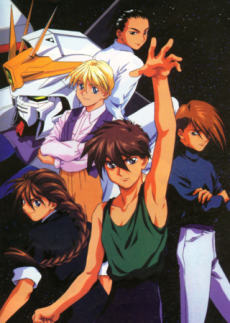
Mobile Suit Gundam Wing
Mankind has moved into space. Thousands of people live on giant orbiting space colonies called "Sides." However, the Earth Government, which rules the colonies, is unjust and cruel. A group of revolutionaries build five robotic weapons called Gundams and plan to send them to Earth to begin their fight for independence. Piloted by five young men, these Gundams carry the colonists' hopes and dreams of freedom with them as they descend to Earth to begin Operation Meteor!
(Source: Nozomi Entertainment)
📺Anime Details
📝Editorial Analysis
The cold hum of the Endless Waltz OVA’s opening shot—five Gundams suspended in silent orbit, their wings half-unfurled against the black velvet of space, Earth a fragile blue marble bleeding light at the edges—isn’t just spectacle. It’s weight. Not the weight of armor or thrusters, but the unbearable gravity of five teenage boys holding revolution in their hands like live grenades: one breath away from detonation, one decision away from becoming the very tyranny they swore to erase.
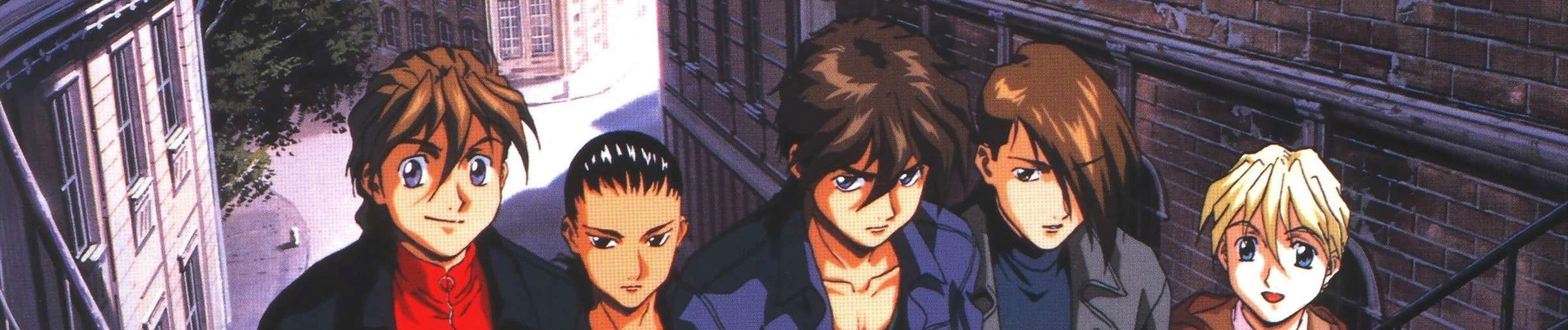
That’s the feeling Mobile Suit Gundam Wing lives inside: moral vertigo. Not just war, but war where every victory stains. Where “Operation Meteor” sounds like a lullaby and lands like an execution order. You don’t feel heroic—you feel exposed, watching Heero Yuy aim his beam saber not at a faceless enemy, but at a fellow pilot whose eyes flicker with the same exhaustion, the same grief, the same quiet, terrifying certainty that peace might require more blood than war ever did. This isn’t mecha-as-tool; it’s mecha-as-conscience. The politics aren’t backdrop—they’re barbed wire wrapped around every conversation, every ceasefire, every kiss shared between soldiers who’ve memorized each other’s kill counts. It’s loneliness dressed in flight suits, idealism sharpened on betrayal, youth forced to carry the arithmetic of genocide.
Which is why certain games—real ones, with real descriptions and real player voices—echo that same hollow resonance. Not because they copy the plot, but because they breathe the same air of fractured conviction.
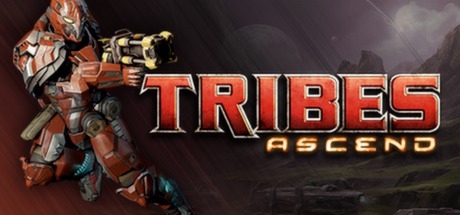
Take Tribes: Ascend. Its description calls it “weapon DLC from ten previous expansions” and “new featured content”—but the player review nails the vibe: “Man, I used to love this game. Just mindless fun.” That phrase—mindless fun—is the key. Gundam Wing’s pilots wish for mindless fun. They crave the simplicity of a clean objective, a clear enemy. But the anime denies them that relief. Tribes: Ascend, in its chaotic, high-speed, team-based orbital drops and flag captures across frozen tundras and zero-G stations, replicates that physical disorientation: the blur of motion, the split-second trust in teammates you barely know, the adrenaline that masks how deeply you’re unmoored. It’s not the story that matches—it’s the sensory echo of being launched into conflict without time to process the cost.
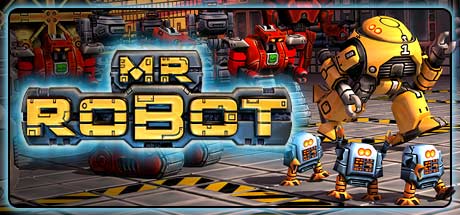
Then there’s Mr. Robot, described as following “Asimov, a lowly service mechanoid aboard the interstellar colony ship Eidolon… carrying hundreds of frozen human colonists… when the Eidolon’s computer brain malfunctions.” The player review calls it “retro… with some very light Mega Man Battle Network type exploration.” That “lowly service mechanoid” detail hits hard: Asimov isn’t a warrior—he’s maintenance, logistics, the unseen hand keeping the dream alive. Like Duo Maxwell, who jokes to hide his trauma, or Trowa Barton, who disappears into anonymity to avoid being seen as a weapon. Both are custodians of survival, not generals of conquest. The game’s quiet, systemic malfunction—no grand villain, just broken code threatening frozen hope—mirrors Gundam Wing’s central dread: that freedom isn’t won by heroes, but maintained by people who remember what it costs, long after the last shot is fired.
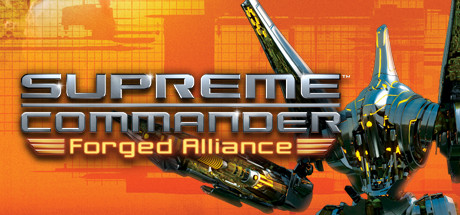
And Supreme Commander, with its “thousand years” of war between three forces who believe “their way is the only way,” and its player review praising “the scale of the battles”—that’s the institutional weight of Gundam Wing made tangible. Not just five boys fighting, but the crushing, slow-motion machinery of ideology itself: the Earth Alliance’s bureaucracy, the colonies’ desperate pragmatism, the sheer, grinding duration of the Infinite War. When the review says “this game feels different even today,” it’s because it refuses speed, refuses simplification—just like the anime’s lingering shots of ruined cities, or Relena’s speeches dissolving into static on a battlefield radio.
This pairing isn’t for fans of shiny robots or epic explosions alone. It’s for the viewer who rewatches the scene where Wufei stands alone in the rain after destroying his own Gundam—not because he’s angry, but because he’s grieving the idea of purity. It’s for the player who lingers in Supreme Commander’s strategic pause screen, zooming out until armies become pixelated dust, and feels the same chilling clarity: none of this is simple. It’s for anyone who’s ever held a belief so tightly it started to cut their palms—and still refused to let go.
🎮20 Games That Match the Vibe


Match Dimensions Explained
❓Frequently Asked Questions
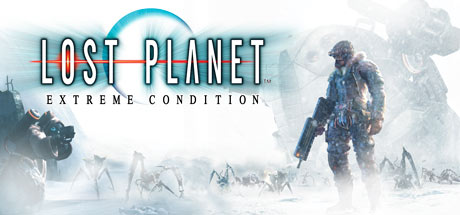
Why does Lost Planet: Extreme Condition feel like Gundam Wing despite having no mobile suits?
It nails the desperate, high-stakes military sci-fi vibe—like when Heero pilots the Wing Zero through orbital debris, you’ll feel that same grit during Lost Planet’s snowstorm battles against towering Akrid. The powered exosuits (like the VS units) and tense squad-based survival on E.D.N. III echo Gundam Wing’s blend of tactical warfare and lone-pilot heroism, especially in missions where you’re racing to deploy a thermal cannon before your suit freezes solid.
Is there a Gundam Wing game adaptation for modern consoles?
No official Gundam Wing game exists on modern platforms—but Tribes: Ascend comes closest in spirit: its jetpack-enabled, team-based combat across vast sci-fi maps (like 'Lava Flow' or 'Boneyard') mirrors Wing’s aerial dogfights and faction warfare. Fans often say it captures that same ‘zero-G ballet meets military discipline’ energy, even without Wing characters—just pure, fast-paced mecha-adjacent chaos.
Supreme Commander vs. Lost Planet: Extreme Condition—which is better for Gundam Wing fans who love political intrigue AND giant robot action?
Go with Supreme Commander if you want the *political* weight—its Infinite War between the Cybran Nation, UEF, and Aeon Illuminate mirrors Gundam Wing’s ideological clashes (e.g., Preventers vs. OZ vs. White Fang), complete with massive walker units like the Fatboy that evoke Tallgeese II’s presence. Lost Planet leans harder into visceral, isolated survival—great for Wing’s ‘Heero alone in the desert’ moments, but Supreme Commander delivers both scale *and* strategy.
What’s the best game like Gundam Wing if I just want that lonely, melancholic space opera vibe?
Mr. Robot is your quiet, underrated pick—it follows Asimov, a lone mechanoid aboard the colony ship Eidolon, echoing Heero’s isolation and Duo’s quiet introspection during silent ship corridors or drifting asteroid scenes. Its retro-futuristic aesthetic, light Mega Man Battle Network–style exploration, and hauntingly sparse soundtrack nail that bittersweet, starlit solitude you get watching Wing’s ending credits roll over Earth’s blue curve.