
Vampire Hunter D: Bloodlust
The story revolves around D, the infamous "dunpeal" (born of a vampire father and a human mother) outcast and renowned vampire hunter. His prowess at hunting the creatures of the night allowing his acceptance among humans, he is called upon to locate Charlotte Elbourne, the lovely daughter of an affluent family who has been mysteriously kidnapped.
When the sun sets, the hunt goes on! Charlotte`s father offers a rich bounty, be she dead or alive, a task D willingly accepts, even with notorious Markus brothers and their gang of bounty hunters seeking the prize as well. Amidst the chase and unknown to all lurks a sinister evil which has been secretly manipulating their every move and has set a chilling trap that none will expect and few will survive. With the tables turned and the secrets revealed, the hunters could quickly become the hunted!
(Source: AniDB)
📺Anime Details
📝Editorial Analysis
The wind doesn’t whistle—it scours. It carries grit, rust, and the faint, metallic tang of old blood as D rides across the cracked asphalt plains at dusk, his long coat snapping like a tattered banner behind him. His hand rests lightly on the hilt of his sword—not drawn, not needed yet—but the weight is there, familiar as breath. Charlotte Elbourne sleeps in the carriage beside him, pale and still, her breathing shallow, her fate already tangled in the rotting roots of aristocracy and ancient hunger. There’s no fanfare, no triumphant music—just the low groan of the land itself, wounded and enduring.
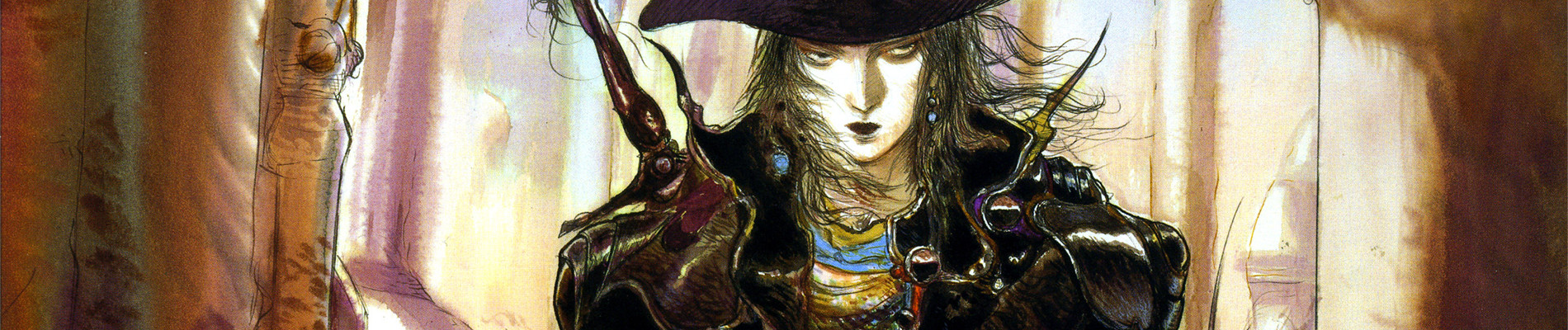
That’s the feeling Vampire Hunter D: Bloodlust lives inside: melancholic exploration. Not just of ruined cities or blasted highways, but of dignity worn thin by time, of loyalty offered without promise of return, of beauty clinging to life like lichen on tombstone granite. It’s dystopian not because of spectacle, but because hope is rationed—measured in candlelight, in a single clean bandage, in the silence between gunshots. The world isn’t ending; it’s settling, slowly, into its own decay—and D moves through it like someone who knows grief is the only native tongue left. Romance here isn’t confession or kiss—it’s restraint. Swordplay isn’t flash—it’s economy, precision, exhaustion. Even the vampires feel less like monsters and more like relics—arrogant, decaying, haunted by their own immortality. This isn’t horror for shock. It’s horror as atmosphere: thick, slow, inevitable.
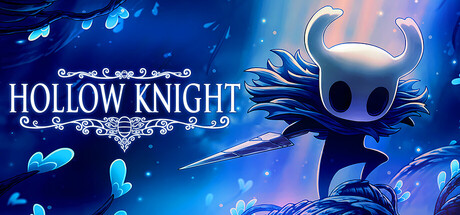
That same ache—the quiet hum of loss beneath every step—pulses through Hollow Knight. Its description names “an epic action adventure through a vast ruined kingdom of insects and heroes,” and its player review praises its “Beautiful art style” and “Lovely story”—but what binds it to D’s ride across the wasteland is how both treat desolation as sacred ground. You don’t conquer Hallownest—you witness it, piece by broken piece, learning its history through murals etched in dust and whispers from ghosts too tired to speak full sentences. Like D, the Knight doesn’t shout defiance; they bow, they pause, they carry memory like extra weight in their pack.
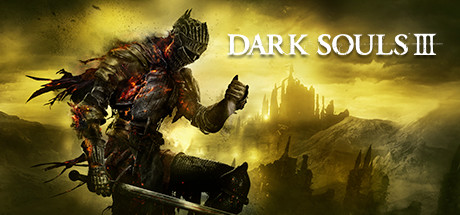
Then there’s DARK SOULS™ III, whose description declares you must “Embrace The Darkness!”—but the real resonance is in that player review: “Why Do We Still Reach for the Fire When It Is Dying?” That line could be D’s internal monologue as he watches Charlotte’s father bargain over her corpse, or as he stares into the eyes of a vampire who remembers sunlight. Both works frame perseverance not as heroism, but as quiet, stubborn ritual—a kind of love that refuses erasure, even when it knows the flame will gutter out. The swordplay, the ruined cathedrals, the way light bleeds weakly through stained glass or cracks in canyon walls—they’re all textures of the same emotional erosion.
And BioShock™, though draped in cyberpunk & dystopia, shares that same suffocating political thriller gravity—its description calling it “a shooter unlike any you’ve ever played,” loaded with weapons and tactics, but its power lies deeper: in the slow dawning that every choice was scripted before you drew breath. Like Charlotte’s abduction, like D’s very existence as dunpeal, BioShock’s horror isn’t in the splicers’ mutations—it’s in the architecture of control, the elegant cruelty of systems pretending to offer freedom. You walk corridors lined with faded propaganda posters and hear recordings of men who believed their own lies until the air turned toxic. D walks past crumbling billboards advertising “Pureblood Security” and hears noble families debate whether Charlotte should be returned or reclaimed—same grammar, same rot.
Who loves this? Not just fans of swords or vampires—but people who feel most alive in the hush after the battle, who trace the grain of old wood on a doorframe and wonder who last closed it, who find romance in a shared glance across a fire that won’t last the night. They’re the ones who replay Hollow Knight’s final chamber not for victory, but to sit beside the Dream Nail one more time. Who pause DARK SOULS™ III mid-swing—not to dodge, but to watch ash fall from a crumbling ceiling. Who listen to BioShock’s audio diaries like confessions. They don’t chase endings. They linger in the between: the wind-scoured plain, the hollow cathedral, the flooded lobby, the silent carriage rolling toward dawn—knowing, always, that the most haunting thing isn’t the monster ahead. It’s the echo of your own footsteps fading behind you.
🎮36 Games That Match the Vibe








Match Dimensions Explained
❓Frequently Asked Questions
Why does Assassin's Creed: Director's Cut Edition match Vampire Hunter D: Bloodlust so well despite being set in the Holy Land?
It’s all about that melancholic exploration and political thriller vibe—like when D rides silently through mist-shrouded ruins or broods over ancient betrayals, Altair glides across Masyaf’s crumbling rooftops at dusk, uncovering layered conspiracies beneath a morally gray world. The dim lighting, somber score, and slow-burn tension in both make every quiet moment feel heavy with legacy and loss.
Is there a Vampire Hunter D: Bloodlust video game adaptation?
No official adaptation exists—but Hollow Knight nails the *spirit*: think D’s stoic elegance mirrored in the Knight’s silent, deliberate movements through Hallownest’s decaying cathedrals and fungal tombs, or the tragic beauty of Quirrel’s sacrifice echoing Doris’ final stand. It’s not a retelling, but it breathes the same air of gothic sorrow and doomed grace.
Hollow Knight vs. Dark Souls III—which is better for that lonely, atmospheric vampire-hunter mood?
Go with Hollow Knight if you want poetic stillness and environmental storytelling—like wandering the City of Tears as rain blurs stained-glass light, or confronting the Hollow Knight in its shattered throne room. Dark Souls III leans harder into oppressive grandeur and combat rhythm (think fighting the Nameless King on Archdragon Peak), but Hollow Knight’s insectoid ruins and whispered lore feel closer to Bloodlust’s dreamlike, elegiac pacing.
What games like Vampire Hunter D: Bloodlust are best for late-night, rain-soaked, melancholic exploration?
Hollow Knight, DARK SOULS™ III, and Sacred Gold all deliver—but Hollow Knight stands out with its hand-drawn downpour in Deepnest, where every dripping cavern and flickering lantern echoes D’s ride through storm-lashed forests. Even Sacred Gold’s janky, bug-riddled world evokes that same eerie, forgotten-kingdom weight—just expect more crashes than catharsis.