
Kizumonogatari Part 3: Reiketsu
First season of the Monogatari Series, part 4/6. Contains the arc Koyomi Vamp from the Kizumonogatari light novel.
With help from Meme Oshino, the apparition specialist, Koyomi defeats the three powerful vampire hunters: Dramaturgy, Episode and Guillotinecutter. Koyomi takes back all the limbs of Kiss-Shot Acerola-Orion Heart-Under-Blade in order to become a human again. But, when he returns to Kiss-Shot, she reveals to him the cold truth of what it means to be a vampire—a creature of the night. Unable to take back what he has done, Koyomi feels nothing but regret and can only deny his dreadful fate. While Koyomi is struggling to face reality, his “friend” Tsubasa Hanekawa comes to him with a certain plan…
(Source: Aniplex)
📺Anime Details
📝Editorial Analysis
The blood doesn’t splash—it unfurls. Slow, viscous, deliberate: a crimson ribbon spiraling from Kiss-Shot’s severed wrist as Koyomi reattaches it, his fingers trembling not from fear but from the unbearable weight of intimacy with consequence. That moment—no music, no flash, just rotoscoped skin sliding over bone, breath ragged and real—is where Kizumonogatari Part 3: Reiketsu stops being spectacle and becomes surgery on the soul.
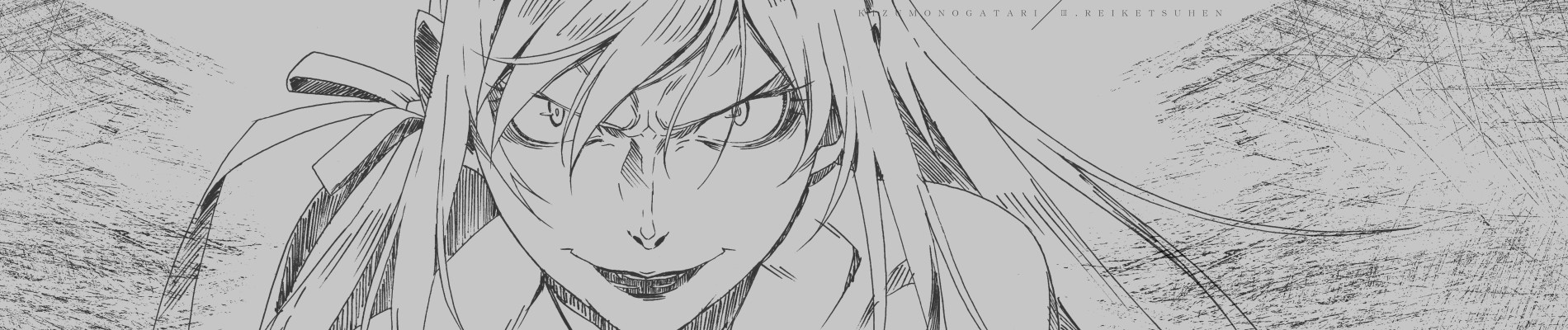
This isn’t horror that startles. It’s horror that settles—a low hum beneath the ribs, like standing too long in a cathedral built from old regrets. The atmosphere is noir not in its shadows, but in its moral gravity: every choice bleeds into the next, every act of mercy carries the scent of decay, every return to humanity feels less like salvation and more like surrender to a colder, lonelier kind of hunger. You don’t watch Reiketsu—you endure it. Not because it’s punishing, but because it refuses to flinch from what survival costs: dignity, memory, even the right to call yourself whole. The nudity isn’t titillation; it’s exposure—of nerve endings, of vulnerability stripped bare by philosophy and fang alike. This is tragedy dressed in urban concrete and arterial red, where the most terrifying monster isn’t the vampire—it’s the quiet realization that love, in this world, demands annihilation of self before it allows rebirth.
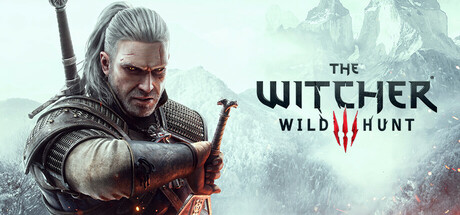
That same suffocating emotional precision lives in The Witcher 3: Wild Hunt, where Geralt tracks Ciri not through maps or quests, but through grief-soaked landscapes that remember every loss. The description calls it “war-torn, monster-infested”—but what lingers is how monsters are rarely the problem; they’re symptoms. Like Kiss-Shot’s curse, they’re wounds wearing teeth. A player review notes the DLC arrived 11 years later, still deepening the story—not with spectacle, but with emotional narrative that refuses closure. That’s Reiketsu’s heartbeat: time doesn’t heal; it accumulates meaning, layer upon layer of consequence, until even reunion feels like standing at the edge of an abyss you helped dig.
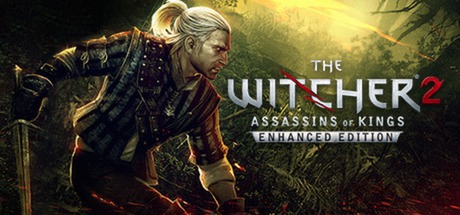
Then there’s The Witcher 2: Assassins of Kings Enhanced Edition, described as a world where “armies on the march are not enough to stop a b…”—the sentence cuts off, mirroring how Reiketsu truncates resolution. Its player review praises it for feeling “more thoughtfully designed than the next entry,” echoing how Reiketsu’s structure—tight, surgical, refusing exposition—makes every frame count. Both reject easy catharsis. When Geralt chooses between kings and rebels, or Koyomi chooses between limbs and loyalty, the weight isn’t in the decision itself, but in the silence after, where the cost settles like dust in unlit rooms.
And Hollow Knight—with its “vast ruined kingdom of insects and heroes”—doesn’t just share dark fantasy; it shares body horror as language. The description mentions “tainted creatures,” but the game’s power lies in how corruption isn’t external—it’s architectural, woven into the walls, the lore, the very ground. A player review calls it “Lovely story. Hard gameplay. 10/10”—that duality mirrors Reiketsu: beauty in decay, tenderness in violence, elegance in suffering. When Koyomi walks through the rain-soaked city after his transformation, every puddle reflecting fractured light, it’s the same ache as descending into Deepnest—loneliness made geography, sorrow given scale.
These pairings aren’t for fans of vampires or swords or even “dark themes.” They’re for people who recognize the tremor in a hand that’s just chosen to hurt someone to save them. For readers who underline passages about existential hunger and then stare at the ceiling for twenty minutes. For players who replay dialogue trees not to optimize outcomes, but to linger in the weight of what wasn’t said. They’re for those who feel relief, not dread, when a story refuses to look away—from blood, from silence, from the terrible, tender arithmetic of love that demands everything, then asks for more.
🎮20 Games That Match the Vibe
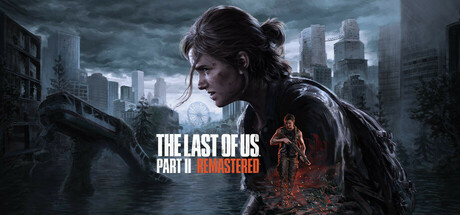

Match Dimensions Explained
❓Frequently Asked Questions
Why is The Witcher 3 always listed as similar to Kizumonogatari Part 3: Reiketsu?
Because both dive deep into psychological unraveling and morally grey consequences—like Geralt’s brutal, intimate fight with the Bloody Baron’s wife mirroring Kiss-shot’s fractured self-confrontation in the snowbound climax. The Witcher 3’s adult & dark seinen tone, emotional narrative weight, and focus on trauma-as-identity (Ciri’s arc, Yennefer’s sacrifices) hit the same visceral, introspective notes as Reiketsu’s fever-dream climax.
Is there a visual novel or game adaptation of Kizumonogatari Part 3: Reiketsu?
No—there’s no official game adaptation of *Kizumonogatari Part 3: Reiketsu*. But if you’re craving that same blend of gothic dread, poetic monologue, and surreal character collapse, *Hollow Knight* delivers it through its silent protagonist’s descent into the Abyss and the haunting, fragmented revelations about the Hollow Knight’s sacrifice—mirroring Kiss-shot’s self-annihilation and rebirth in the final act.
How does Hollow Knight compare to The Witcher 3 for Kizumonogatari fans?
Hollow Knight trades Geralt’s world-weary dialogue and branching choices for wordless environmental storytelling—think the Pale King’s murals echoing Araragi’s unreliable narration, or the dream nail boss fights channeling Reiketsu’s disorienting time loops. Both share that dark fantasy + emotional narrative + adult & dark seinen DNA, but Hollow Knight leans into melancholy abstraction where Witcher 3 goes for raw, human-scale tragedy.
What’s the best game like Kizumonogatari Part 3 if I want that intense, claustrophobic ‘final confrontation’ vibe?
Go straight to *The Witcher 2: Assassins of Kings Enhanced Edition*—its finale in Loc Muinne traps you in a collapsing tower amid betrayals, fire, and irreversible choices, just like Reiketsu’s snow-globe showdown between Araragi and Kiss-shot. The tight pacing, moral suffocation, and visceral stakes (e.g., deciding Triss or Saskia’s fate) nail that same breathless, emotionally scorched-earth feeling.