
Frieren: Beyond Journey’s End
The adventure is over but life goes on for an elf mage just beginning to learn what living is all about. Elf mage Frieren and her courageous fellow adventurers have defeated the Demon King and brought peace to the land. But Frieren will long outlive the rest of her former party. How will she come to understand what life means to the people around her? Decades after their victory, the funeral of one her friends confronts Frieren with her own near immortality. Frieren sets out to fulfill the last wishes of her comrades and finds herself beginning a new adventure…
(Source: Crunchyroll)
📺Anime Details
📝Editorial Analysis
The silence after the funeral bell fades. Frieren stands alone beside the freshly turned earth, her silver hair catching the weak autumn light—not weeping, not speaking, just watching as wind lifts a single fallen leaf and carries it over the grave. Her fingers don’t tremble. Her breath doesn’t catch. But the camera holds—long, quiet, unblinking—as time itself seems to thicken around her. That stillness isn’t emptiness. It’s the weight of centuries pressing down on a single, human moment.
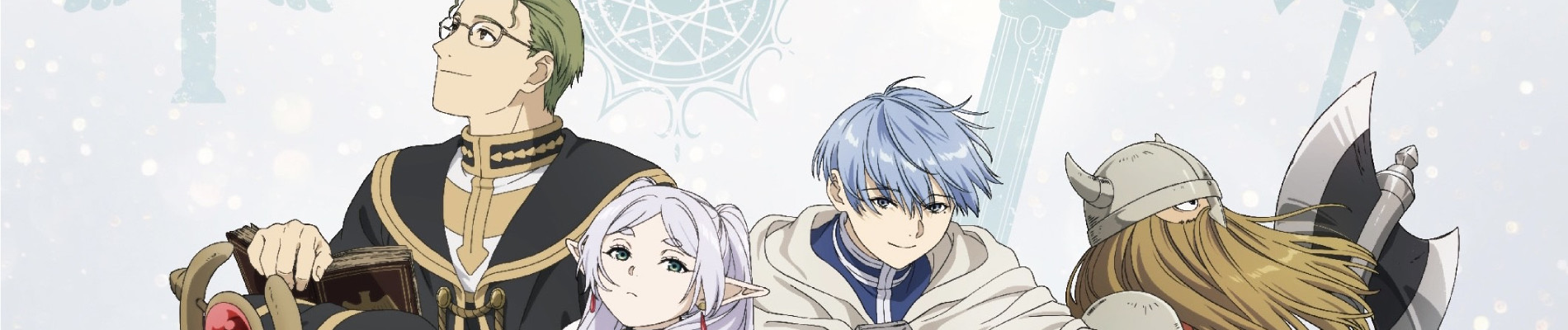
What makes Frieren: Beyond Journey’s End ache so deeply isn’t its fantasy trappings or even its immortal elf protagonist—it’s how it treats time as a physical presence: slow, accumulative, tenderly corrosive. This isn’t urgency. It’s lingering. The show doesn’t rush toward revelation; it walks beside you as you notice how light slants through stained glass in a village chapel decades after the war ended, how a child’s laugh echoes the pitch of someone long gone, how a spellbook’s margin bears a friend’s faded ink—still legible, still there, even if the hand that wrote it is dust. You don’t feel heroic here. You feel attentive. And in that attention, something fragile blooms: the quiet, staggering realization that meaning isn’t forged in climactic battles—but in the space between them. In the tea shared, the song half-remembered, the pause before a farewell you know will last longer than your companion’s life.
That same hushed reverence for what endures—and what slips away—pulses through Hollow Knight. Its description calls it “an epic action adventure through a vast ruined kingdom of insects and heroes,” but the player review nails the soul of it: “Lovely story.” Not loud. Not triumphant. Lovely. Like Frieren tracing the carvings on an abandoned shrine, Hollow Knight asks you to read broken murals, listen to ghosts whispering in hollow halls, and sit with the weight of a civilization that forgot its own name. Both works treat decay not as failure, but as texture—the kind that gathers meaning only when you slow down enough to feel it settle in your bones.
Then there’s Prince of Persia: Warrior Within, where the description names its core obsession: “Time & Memory.” Not abstract philosophy—Dahaka, an immortal incarnation of Fate itself, hunts the Prince across shifting sands and collapsing corridors. The player review says it outright: “replayed this game after a decade… completing it was a journey.” That’s the resonance: both Frieren and the Prince are haunted not by enemies, but by consequence. Every choice leaves a scar in time. Every return to a place is layered with who you were when you left it. Neither work offers escape from time—they offer navigation. A map drawn in regret, ritual, and reluctant grace.
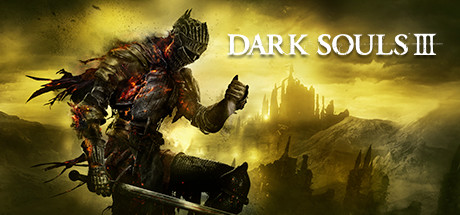
And DARK SOULS™ III, whose description declares it “the latest, ambitious chapter” in a series defined by “Embrace The Darkness!”—but the player review reveals the real heartbeat: “Why Do We Still Reach for the Fire When It Is Dying?” That question could be Frieren’s mantra. She doesn’t seek immortality as power—she seeks understanding within its loneliness. Like the ash-covered ruins of Lothric, Frieren’s world is built on the elegant, heartbreaking logic of entropy: beauty persists because it’s fleeting. A dying flame isn’t failure—it’s invitation. To witness. To remember. To kneel, just once, and let warmth touch your palms before it’s gone.
This pairing isn’t for fans of grand quests or power fantasies. It’s for the ones who reread letters from dead friends. Who pause mid-walk to watch pigeons scatter from a rooftop. Who understand that grief isn’t the opposite of love—it’s love’s long shadow, stretching across decades. It’s for players who replay Hollow Knight not to master combat, but to hear that one melancholy chime in the City of Tears one more time. For viewers who hold their breath during Frieren’s silent walk home after visiting a grave—not waiting for drama, but for the exact, precise weight of air changing as memory rises, soft and inevitable, like mist over still water. These stories speak to those who know: the deepest magic isn’t in spells or swords. It’s in the courage to stay present—in a world that keeps moving, while you learn, slowly, how to live inside time instead of outside it.
🎮34 Games That Match the Vibe








Match Dimensions Explained
❓Frequently Asked Questions
Why does Hollow Knight get compared to Frieren so much?
It’s all about that quiet, aching beauty in the ruins—like when Frieren pauses at a crumbling shrine remembering Fern, Hollow Knight has you wandering Hallownest’s silent cathedrals and abandoned libraries, uncovering fragmented lore about fallen kings and lost bugs. The melancholic exploration, understated emotional weight, and painterly art style (plus that haunting OST) hit the same reflective, bittersweet notes as Frieren’s journey—no exposition dumps, just atmosphere and absence speaking volumes.
Is there a Frieren anime game adaptation?
No—not yet, and none of the top matches on this list are adaptations. Hollow Knight, DARK SOULS™ III, Prince of Persia: Warrior Within™, Sacred Gold, and Assassin's Creed™ are all original IPs with their own lore—but they *resonate* with Frieren’s vibe: long silences, weighty journeys, and worlds steeped in faded grandeur, like Dark Souls’ Firelink Shrine echoing Frieren’s lonely mountain paths or Warrior Within’s Dahaka chase mirroring her relentless, time-bent pursuit of meaning.
Hollow Knight vs. DARK SOULS™ III—which feels more like Frieren’s tone?
Hollow Knight nails it closer—Frieren’s stillness and sorrowful wonder line up with Hallownest’s decaying beauty and subtle storytelling (think Hornet’s quiet grief or the Library of the First Born), whereas DARK SOULS™ III leans harder into apocalyptic dread and systemic punishment. Both share ‘Melancholic Exploration’ and ‘Dark Fantasy’, but Hollow Knight’s pacing, visual poetry, and emotional restraint—like Frieren watching snow fall for centuries—land softer and truer to the anime’s soul.
What’s the best game like Frieren if I want that slow, thoughtful, slightly sad adventure vibe?
Hollow Knight is your answer—85-scored, dripping with melancholic exploration and emotional narrative. You’ll move at your own pace through mist-laced ruins, uncover stories in environmental details (like the broken statues of the Pale King), and feel that same gentle ache Frieren carries—no frantic combat spikes, just deliberate steps, haunting music, and moments where silence speaks louder than dialogue, just like her quiet walk home after the final battle.