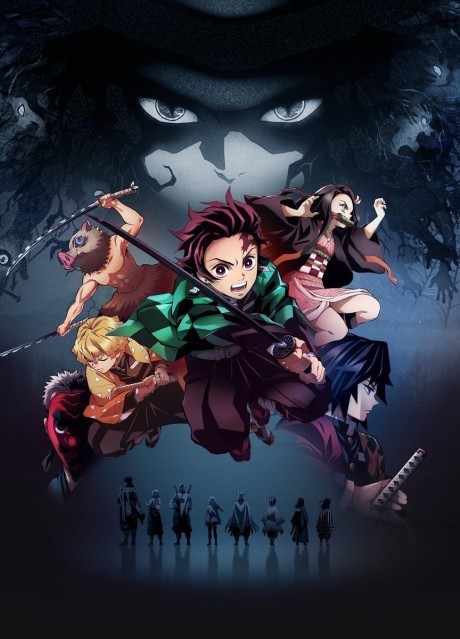
Demon Slayer: Kimetsu no Yaiba
It is the Taisho Period in Japan. Tanjiro, a kindhearted boy who sells charcoal for a living, finds his family slaughtered by a demon. To make matters worse, his younger sister Nezuko, the sole survivor, has been transformed into a demon herself. Though devastated by this grim reality, Tanjiro resolves to become a “demon slayer” so that he can turn his sister back into a human, and kill the demon that massacred his family.
(Source: Crunchyroll)
📺Anime Details
📝Editorial Analysis
The scent of burnt charcoal hangs in the air—not the clean, smoky kind from a hearth, but the acrid, clinging stench of charred wood and something older, thicker: blood soaked into tatami. Tanjiro kneels in the snow, his breath ragged, fingers pressed to Nezuko’s cold forehead as she sleeps curled in a bamboo basket—her nails already sharpening, her teeth lengthening, yet her eyes still closed like a child who’s only just fallen asleep. Not dead. Not gone. Changed. That single image—the unbearable tenderness of holding what you love while watching it slip beyond human reach—is the quiet detonation at the heart of Demon Slayer: Kimetsu no Yaiba.

This isn’t just tragedy dressed in swords and demon blood. It’s the weight of continuity under collapse: the way Tanjiro still ties his headband with the same careful knot his mother taught him, even as he swings a blade that hums with inherited breath techniques; how Nezuko’s muffled whimpers echo the lullabies he used to sing her, now warped by fangs and hunger. The Taisho setting isn’t backdrop—it’s texture: lantern light trembling on paper shōji screens, the rustle of haori fabric over sweat-slicked skin, the silence between sword strikes that feels heavier than any roar. You don’t just watch survival—you feel the aching precision of choosing kindness when every instinct screams for vengeance, the exhaustion of carrying grief like a second spine. It’s melancholic exploration made flesh: every mountain path, every rain-slicked village road, every breath drawn before a final strike is an act of devotion—to memory, to family, to the fragile, flickering line between monster and human.
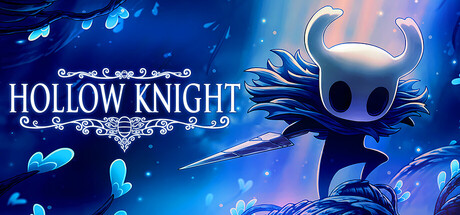
That same resonance pulses through Hollow Knight, where the ruins of Hallownest aren’t just scenery but echo chambers. Its description calls it “an epic action adventure through a vast ruined kingdom of insects and heroes”—but what lands is the solitude of wandering crumbling cathedrals where murals show forgotten gods and hollowed-out knights still stand guard, motionless, loyal past reason. A player review praises its “lovely story” and “beautiful art style,” but what mirrors Demon Slayer isn’t the bugs or the lore—it’s the emotional narrative built on absence: the silent graves of fallen warriors, the sister-ghost who remembers nothing but your name, the way every new chamber deepens not just the map, but the sorrow. Like Tanjiro tracing his family’s bloodstains on the floorboards, Hollow Knight’s protagonist reads fragmented journal entries and half-erased glyphs—not to solve a puzzle, but to hold onto meaning as the world forgets itself.
Then there’s DARK SOULS™ III, whose description simply commands: “Embrace The Darkness!”—yet the player review cuts deeper: “Why Do We Still Reach for the Fire When It Is Dying?” That question is pure Demon Slayer: Tanjiro doesn’t fight because victory is certain—he fights because not fighting would mean surrendering Nezuko to oblivion, surrendering his father’s lullaby to silence. The game’s “melancholic exploration” isn’t mood—it’s architecture: ash-covered bridges leading nowhere, bonfires that flare briefly before dimming, bosses who crumble not with rage, but with exhaustion, their final gestures almost tender. You don’t conquer darkness here—you learn its grammar, its rhythms, its terrible, beautiful patience.
Even Two Worlds Epic Edition, with its sibling-driven conflict—“Kyra, the hero's younger sister, suddenly disappears”—mirrors the core fracture: a bond severed not by death, but by transformation, by forces neither understands. Its “melancholic exploration” isn’t poetic abstraction—it’s the physical ache of retracing footprints in snow that won’t last, of calling a name into caves that swallow sound whole.
These pairings aren’t for fans of “cool fights” or “epic quests.” They’re for the ones who pause mid-battle to watch dust motes dance in a sunbeam breaking through a shattered roof—who understand that the most devastating moment in Demon Slayer isn’t the demon’s roar, but Tanjiro whispering “I’m still here” to Nezuko’s sleeping face. They’re for players who reload after dying not to win, but to bear witness—to try again, just once more, because somewhere in the next corridor, the next boss arena, the next rain-soaked path, there might be a single, unbroken thread of warmth. Tenderness. Memory. Hope, stubborn and small, burning low—but burning.
🎮41 Games That Match the Vibe








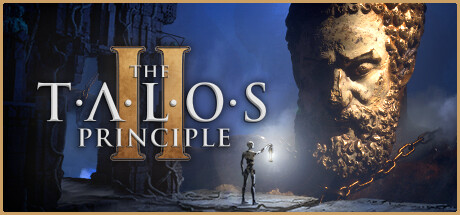
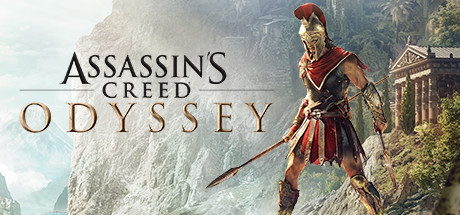
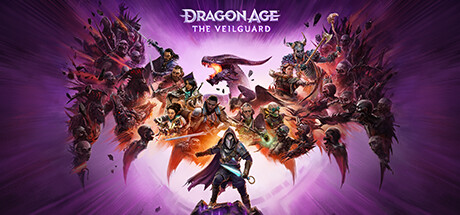


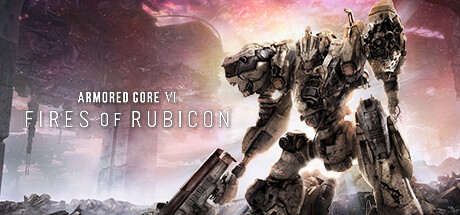

Match Dimensions Explained
❓Frequently Asked Questions
Why does Hollow Knight feel so much like Demon Slayer even though it's not based on it?
It’s the melancholic exploration and emotional narrative—like when you wander Hallownest’s decaying ruins, uncovering tragic backstories of fallen knights and lost royalty, mirroring Tanjiro’s quiet grief and determination. The art style (hand-drawn, moody lighting) and boss fights—say, against the Hollow Knight or Broken Lord—echo Demon Slayer’s blend of graceful movement, devastating stakes, and deeply personal sorrow.
Is there a Demon Slayer game adaptation I can actually play right now?
No official Demon Slayer game exists yet—just licensed mobile titles (like Kimetsu no Yaiba: The Hinokami Chronicles, which isn’t on our match list). Instead, games like Dark Messiah of Might & Magic deliver that visceral, fast-paced swordplay and emotional narrative punch: think parrying-heavy combat where every clash feels weighty, and story moments—like confronting the corrupted Sir Lancelot—hit with the same raw intensity as Rengoku’s Flame Hashira arc.
Hollow Knight vs. DARK SOULS™ III—which one captures Demon Slayer’s tone better?
Hollow Knight nails the melancholic exploration and emotional narrative—its silent protagonist, haunting OST, and tragic lore (like the Pale King’s fall) mirror Demon Slayer’s themes of legacy and sacrifice. DARK SOULS™ III leans harder into bleak, atmospheric world-building and punishing action spectacle (e.g., fighting Lothric Knights in ash-covered ruins), but lacks Hollow Knight’s intimate, character-driven sorrow—so if you want *Tanjiro’s heart*, go Hollow Knight; if you want *Gyomei’s unshakable resolve in a dying world*, Souls III fits.
What’s the best game like Demon Slayer for when I want that bittersweet, beautiful-but-haunting vibe?
Hollow Knight is your top pick—its watercolor aesthetic, sorrowful soundtrack, and slow-reveal storytelling (like learning about the Abyss Watchers’ fate or Hornet’s lonely duty) hit that exact bittersweet, beautiful-but-haunting sweet spot. Sacred Gold tries with its dark fantasy setting, but its jank and instability undercut the mood, while Hollow Knight sustains it flawlessly from Greenpath’s dewy stillness to the Abyss’s crushing silence.