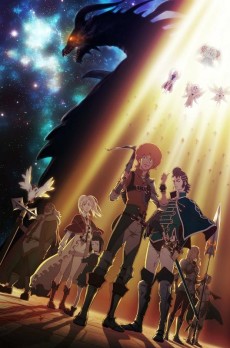
Rage of Bahamut: Genesis
Mistarcia is a magical world where humans, gods, and demons mingle together. In the past, the black-and-silver winged Bahamut has threatened to destroy the land, but humans, gods, and demons overcame their differences to fight together and seal its power. The key to that seal was split in two, one half given to the gods and the other to demons, so that they would never be united and Bahamut never released. Now, two thousand years later, the world is in an era of peace—until the day a human woman steals the gods' half of the key.
📺Anime Details
📝Editorial Analysis
The wind carries ash—not from fire, but from crumbling stone. A lone figure walks a cracked causeway suspended over a chasm where sky bleeds into violet mist, their boots scuffing ancient glyphs half-erased by time. Below, the ruins of a temple once shared by gods and demons lie buried beneath twisted roots and silent, silver-winged statues—frozen mid-prayer, mid-battle, mid-betrayal. No music swells. No dialogue cuts in. Just the low hum of a world holding its breath, waiting for something it swore never to wake again. That’s Rage of Bahamut: Genesis—not as spectacle, but as weight: the quiet dread of inherited consequence, the exhaustion of peace built on a fracture no one dares mend.
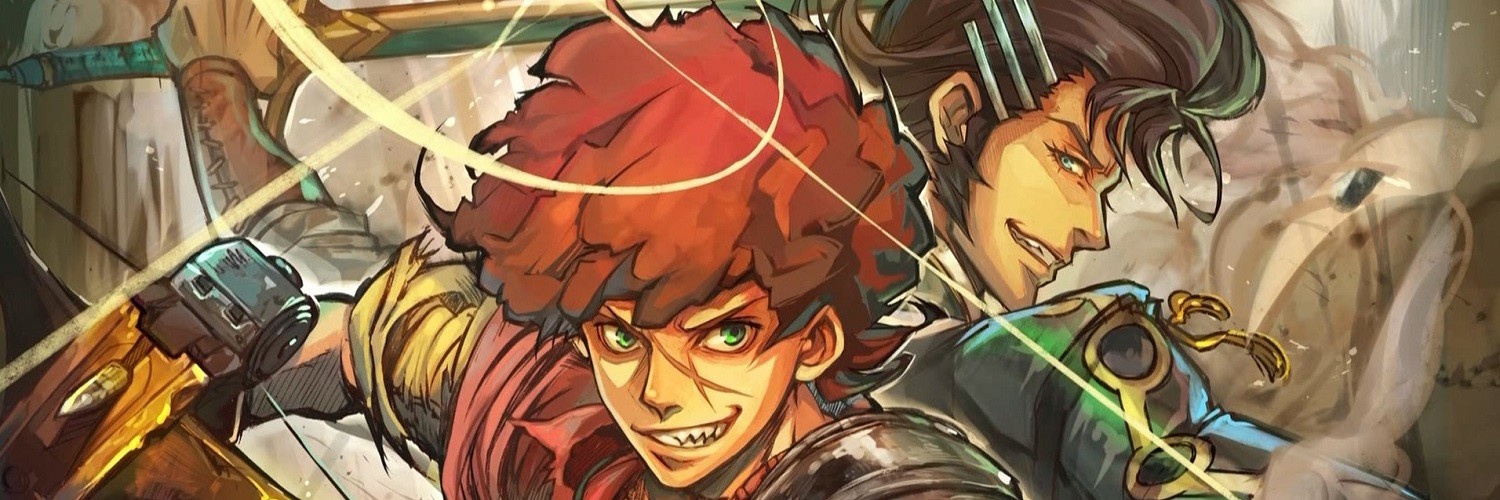
What makes Rage of Bahamut: Genesis ache so distinctly isn’t its magic or monsters—it’s how deeply it treats memory as architecture. Mistarcia isn’t just a fantasy world; it’s a palimpsest. Every cobblestone, every sealed vault, every uneasy truce between angels and demons hums with two thousand years of suppressed history. The seal isn’t broken by malice alone—it unravels because forgetting is harder than fighting. You feel it in the way characters speak of Bahamut not as myth, but as grammar—a syntax of loss baked into language itself. This isn’t heroic fantasy. It’s melancholic exploration: the act of moving through a landscape that remembers your ancestors’ sins better than you do.
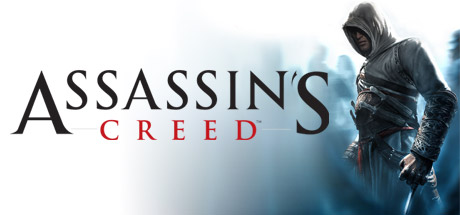
That same resonance lives in Assassin's Creed™: Director's Cut Edition, where player reviews note its “Political Thriller” and “Melancholic Exploration” dimensions—not just climbing towers, but walking Jerusalem’s alleys while the weight of crusade-era fractures settles in your shoulders. One reviewer admits, “I should probably start with the flaws first…”, then pivots—not to complaint, but to acceptance: dated textures don’t break immersion because the feeling is already anchored in ruin, in layered history, in moral ambiguity thick as dust. Like Rage of Bahamut: Genesis, it trusts silence more than exposition. You don’t learn the truth by being told—you learn it by standing in a courtyard where three factions once signed a treaty, now faded to ghost-lines in the mortar.
Then there’s Hollow Knight, whose description names “an epic action adventure through a vast ruined kingdom of insects and heroes”—but what lingers isn’t the combat, it’s the emptiness between strikes. Its OST swells like incense in abandoned cathedrals; its lore drips from walls like slow resin, never explained, only offered. A player writes, “-Beautiful art style. -Great OST. -Lovely story.” That brevity says everything: the emotion isn’t in plot points, but in atmosphere-as-character—the way fog clings to broken bridges, how light falls differently in places where gods once walked and vanished. Just like Bahamut’s seal, Hollow Knight’s tragedy isn’t in collapse—it’s in the stillness after, the quiet stewardship of decay.
And DARK SOULS™ III, whose tagline—“Embrace The Darkness!”—is less a battle cry and more an invitation to sit with exhaustion. Its player review asks, “Why Do We Still Reach for the Fire When It Is Dying?” That question hangs over Rage of Bahamut: Genesis too: why maintain a fragile truce? Why guard a seal that only exists because no one dares trust? Both refuse catharsis. Victory feels less like triumph and more like postponement—another turn of the wheel, another generation carrying the key halves, knowing unity might mean annihilation, but division guarantees slow erosion. The melancholy isn’t decorative. It’s structural.
This pairing isn’t for fans of clean resolutions or power fantasies. It’s for the person who pauses mid-gameplay to watch rain slide down a stained-glass window in a derelict chapel—even when there’s no quest marker blinking. It’s for the viewer who feels a pang watching a demon and an angel share a single, wordless glance across a war council table—not because they’ll kiss or fight, but because they both remember the last time they stood shoulder-to-shoulder against the same storm. It’s for those who find beauty in the unresolved, meaning in the unrepaired, and profound tenderness in the simple, stubborn act of walking forward—even when the path is paved with the bones of old alliances, and every step echoes with what was sworn, shattered, and quietly, carefully, kept.
🎮31 Games That Match the Vibe

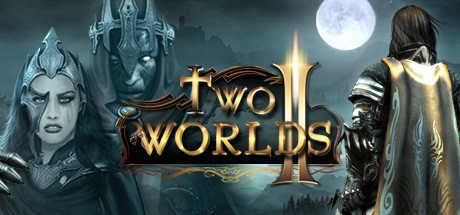
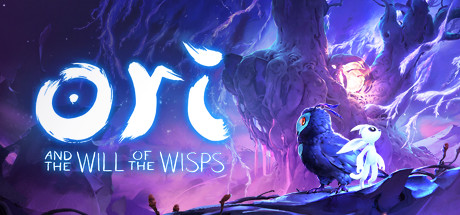
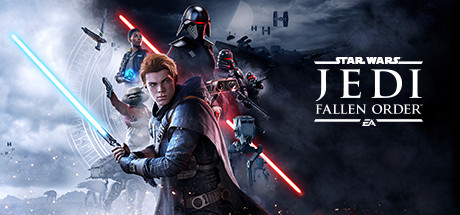
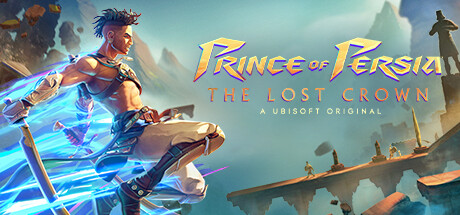


Match Dimensions Explained
❓Frequently Asked Questions
Why does Rage of Bahamut: Genesis feel so similar to Hollow Knight despite being a mobile card game?
It’s all about that shared 'Dark Fantasy, Melancholic Exploration' vibe — both lean hard into haunting, decaying worlds full of tragic lore and quiet sorrow. Hollow Knight’s ruined kingdom of Hallownest, with its lost gods and hollowed-out bugs like Hornet or the Pale King, echoes Bahamut’s fallen divine order and somber mythos. Even the pacing — slow-burn discovery, environmental storytelling, and combat that rewards patience over flash — bridges the gap between Hollow Knight’s precise nail strikes and Bahamut’s tactical card timing.
Is there an anime or live-action adaptation of Rage of Bahamut: Genesis?
No — and that’s actually why games like DARK SOULS™ III and Sacred Gold hit that same emotional note. They fill the void left by the *absence* of an official adaptation: DARK SOULS™ III’s dying world, with its crumbling Lothric and hollowed Lord Gwyn, channels Bahamut’s apocalyptic theology without needing cutscenes. Sacred Gold’s janky but earnest quest to slay orcs and undead lords in Ancaria? That’s the gritty, lore-dense spirit fans wish had gotten the anime treatment.
How does Assassin's Creed™: Director's Cut Edition compare to Rage of Bahamut: Genesis in terms of story depth?
Both trade in political intrigue wrapped in mythic stakes — but Assassin’s Creed leans into human-scale conspiracy (Al Mualim’s betrayal, the Templar-Mason power plays), while Bahamut goes full divine war (Lucifer vs. Michael, fallen angels, sealed gods). Still, the ‘Political Thriller’ dimension in Assassin’s Creed matches Bahamut’s factional scheming — think how Bahamut’s Demon, Human, and God factions mirror the Assassin-Templar ideological rift, just with more winged beings and less parkour.
What’s the best game like Rage of Bahamut: Genesis if I want that brooding, atmospheric fantasy vibe without punishing difficulty?
Go with Two Worlds Epic Edition — it’s got that same 'Dark Fantasy, Melancholic Exploration' soul (300-year-old curses, vanished sister Kyra, orc wars simmering beneath ancient ruins) but dials back the intensity. Unlike DARK SOULS™ III’s brutal boss loops or Hollow Knight’s nail-biting precision, Two Worlds lets you soak in the melancholy through sprawling zones and lore fragments, even if it runs a little jankily on Windows 11. It’s the moodiest chill pill on the list.