
The Rising of the Shield Hero Season 4
The fourth season of Tate no Yuusha no Nariagari.
As Naofumi prepares for the Phoenix’s return, assassins from Q’ten Lo target Raphtalia, mistaking her for a throne usurper. To resolve the conflict, Naofumi journeys to Siltvelt, where he is hailed as a demi-human savior, but not all welcome him. In politically volatile Q’ten Lo, Raphtalia becomes a revolutionary symbol. Amid rising chaos, can Naofumi unite his allies and guide them to salvation?
(Source: Crunchyroll News)
📺Anime Details
📝Editorial Analysis
The salt-sting of Siltvelt’s harbor wind hits before the camera even settles — Naofumi standing motionless on the dock, cloak snapping like a torn banner, eyes fixed not on the cheering demi-humans but on the distant, smoke-hazed silhouette of Q’ten Lo across the strait. No music swells. No triumphant pose. Just the low groan of timbers, the murmur of a crowd that doesn’t yet know whether to hail him or flinch — and the unbearable weight of trust pressing down like chainmail soaked in seawater.

That’s the feeling The Rising of the Shield Hero Season 4 lives inside: exhausted responsibility. Not despair — not hopelessness — but the quiet, grinding ache of carrying others’ futures while your own wounds still bleed under armor you can’t take off. It’s in the way Raphtalia’s revolutionary speeches echo with the tremor of someone who’s been called “beast” her whole life, now forced to speak for an entire oppressed people — not as a symbol, but as a person holding a spear too heavy for her hands. It’s in the political frost of Q’ten Lo, where every bow hides a blade and every treaty smells faintly of ash. This isn’t fantasy escapism. It’s melancholic exploration — mapping terrain where salvation isn’t found in victory, but in the terrible, necessary labor of staying upright when the ground keeps shifting beneath you.
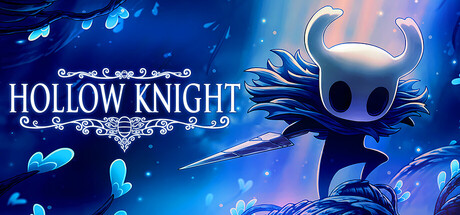
Which is why Hollow Knight resonates so fiercely. Its description promises “an epic action adventure through a vast ruined kingdom of insects and heroes,” and its player review calls it “lovely story” with a “beautiful art style” and “great OST” — but what binds it to Naofumi’s journey is the silence between notes. Like Naofumi walking Siltvelt’s cobbled alleys past faces that shift from reverence to suspicion in half a glance, Hollow Knight’s world breathes with unspoken history — crumbling statues, abandoned shrines, whispers in the walls. You don’t learn lore from exposition; you feel it in the hollowness of a cathedral, the weight of a fallen monarch’s crown left rusting in a sewer. Both ask you to move forward while haunted by what’s been broken — and both reward patience with moments of devastating tenderness: Raphtalia’s hand gripping Naofumi’s wrist not in romance, but in shared exhaustion; the Knight placing a single white flower on a grave no one else remembers.
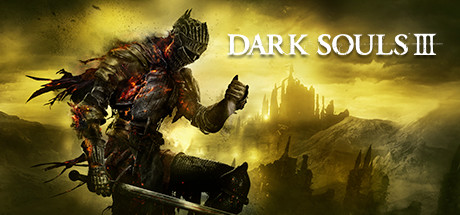
Then there’s DARK SOULS™ III, whose description simply commands: “Embrace The Darkness!” — and whose player review cuts deeper than any boss fight: “Why Do We Still Reach for the Fire When It Is Dying?” That line is Season 4’s spine. Naofumi doesn’t chase glory. He chases continuity: a future where Raphtalia isn’t hunted, where demi-humans aren’t scapegoated, where the Phoenix’s return isn’t another cataclysm. Like the Ashen One stumbling toward a pyre that’s already cold, he moves not because light remains, but because stopping means letting everyone behind him fall into the dark. The game’s “hard gameplay” mirrors the anime’s refusal to soften consequence — every misstep in diplomacy has blood on it; every alliance is frayed at the edges. Neither offers catharsis. They offer endurance, forged in the same kind of grim, beautiful resolve.
Even Sacred Gold, buried under player complaints about “jank” and instability, shares this DNA — not in polish, but in its raw, unvarnished premise: “A shadow of evil has fallen on the kingdom of Ancaria. It is a time for champions…” That phrase — a time for champions — lands like a stone in the gut when you’ve just watched Naofumi kneel not in submission, but to hear a child from Q’ten Lo whisper, “They say you’ll save us. But what if saving us means breaking everything first?” The game’s clunky systems, its unstable world, its sheer physical resistance to smooth play — they echo the anime’s insistence that justice isn’t elegant. It’s patched together, glitchy, held together by willpower and worn leather straps.
This pairing isn’t for fans of clean triumphs or power fantasies. It’s for the ones who pause mid-episode to stare out the window after Raphtalia says, “I don’t want to be a symbol. I want to be here — breathing, choosing, failing.” It’s for players who replay Hollow Knight’s final chamber not for the ending, but to sit beside the Dream Nail one more time — silent, listening. For those who understand that the deepest loyalty isn’t sworn in fire, but kept in the long, unglamorous walk home — spear in hand, shield strapped tight, heart beating not with certainty, but with stubborn, tender, unbroken rhythm.
🎮17 Games That Match the Vibe
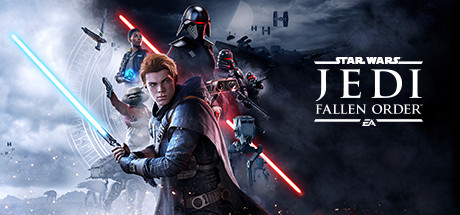
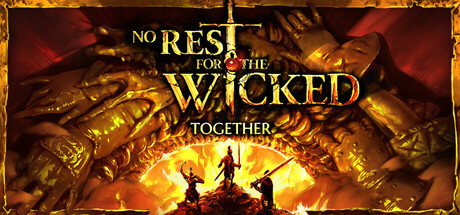
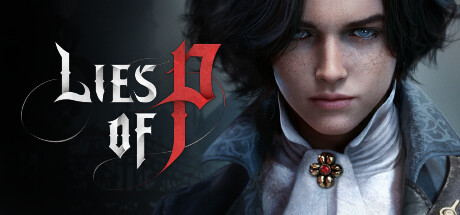
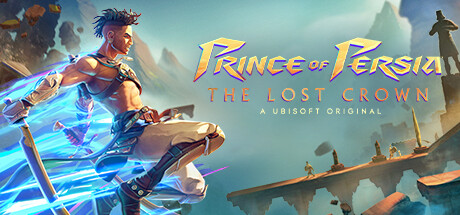
Match Dimensions Explained
❓Frequently Asked Questions
Why does Hollow Knight feel so much like The Rising of the Shield Hero Season 4’s darker moments?
Because both lean hard into melancholic exploration and quiet despair—like Naofumi’s isolation in the Spirit Tortoise dungeon, Hollow Knight’s Hall of Gods or City of Tears hits that same hollow, weighty silence. You’re not just fighting bosses; you’re uncovering tragic lore through environmental storytelling, just as Hollow Knight’s lore drops via ruined statues and whispering shades—not exposition dumps.
Is there a Dark Souls III adaptation of The Rising of the Shield Hero?
No official adaptation exists—but Dark Souls III *feels* like what Season 4 would be if it were a game: think Naofumi’s rage-fueled resolve mirrored in the Ashen One’s relentless push toward the Firelink Shrine bonfire, or the despair of the Lothric Castle ascent echoing his betrayal-to-redemption arc. Even the player review’s line—'Why Do We Still Reach for the Fire When It Is Dying?'—hits that exact emotional core.
Hollow Knight vs. Sacred Gold—which is better for fans who loved Naofumi’s slow-burn character growth and somber worldbuilding?
Hollow Knight, hands down. Sacred Gold’s janky combat and instability (per its review: 'Full of jank, bugs and is not very stable on modern systems') drown out any narrative depth, while Hollow Knight’s melancholic exploration and layered lore—like learning the true fate of the Pale King through crumbling murals and silent NPCs—mirrors how Naofumi’s trauma and growth unfold gradually, without fanfare.
What’s the best game like The Rising of the Shield Hero Season 4 if I want that grim-but-hopeful ‘keep going despite everything’ vibe?
Dark Souls III nails it—the way you return to Firelink Shrine after every crushing loss, just like Naofumi dragging himself up after the Spirit Tortoise battle or the Wave 3 massacre. Its score (83), dark fantasy tone, and that haunting player review about reaching for dying fire? That’s the exact emotional rhythm: exhaustion, quiet dignity, and stubborn, unspoken hope.