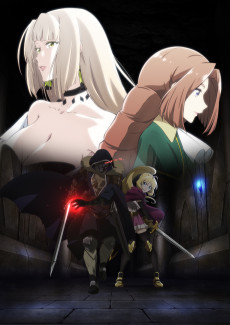
The Unwanted Undead Adventurer
Rentt Faina has hunted monsters for the last 10 years. Sadly, he’s not great at his job, stuck hunting slimes and goblins for a few coins each day. His luck turns when he finds an undiscovered path. At the path’s end, he meets his demise in the maw of a legendary dragon. But, he wakes up as an undead bag of bones! He sets out to achieve Existential Evolution and rejoin the land of the living.
(Source: Crunchyroll)
Note: Each episode streamed 3 days early on some streaming sites. The original TV broadcast started on January 8th, 2024.
📺Anime Details
📝Editorial Analysis
The first time Rentt Faina stumbles backward, ribs cracked and jaw unhinged, staring at his own skeletal hand trembling in torchlight—not in horror, but in recognition—that’s when it hits: this isn’t a fall from grace. It’s the first honest breath he’s taken in ten years.
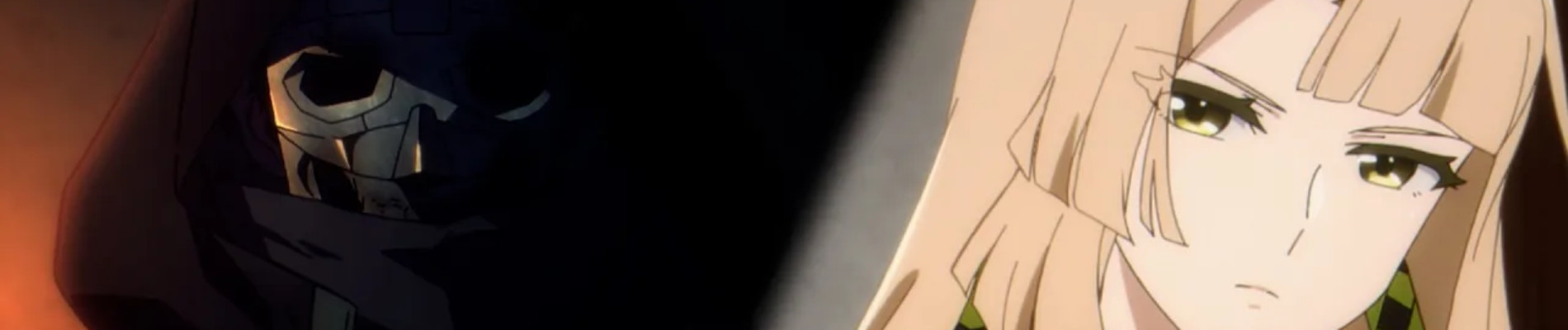
That moment isn’t about shock or despair. It’s quiet. Hollow. And deeply, deeply tender. Rentt doesn’t scream. He flexes a finger. Tests a tendonless wrist. Counts his vertebrae with clinical curiosity—not as a corpse, but as a project. The air smells of damp stone and old blood, yes—but also of possibility, sharp and metallic as a freshly honed blade. This is the anime’s heartbeat: not tragedy, but reclamation. Not rebirth as redemption, but evolution as quiet, stubborn continuation. You don’t feel pity for Rentt. You feel kinship—with the weight of routine, the exhaustion of being perpetually unseen, the slow-burning refusal to let irrelevance define your end.
What makes The Unwanted Undead Adventurer vibrate at this particular frequency isn’t its undead premise or dungeon setting—it’s how it treats time. Ten years of slime-hunting aren’t filler. They’re sedimentary layers of resilience. Every goblin skirmish, every copper earned, every ignored glance from guild clerks—they accumulate like callus on the soul. The fantasy isn’t escape; it’s recalibration. The world doesn’t soften for Rentt after death—it clarifies. His skeleton isn’t grotesque; it’s unburdened. No pulse, no panic, no performance. Just focus. That’s the feeling: clarity through erosion. It makes you think about labor that goes uncredited, growth that happens off-camera, and how sometimes the most radical self-acceptance arrives not with wings—but with marrow exposed and utterly unashamed.
That emotional resonance echoes fiercely in Hades, where Zagreus hacks his way upward not to “win” but to understand—to reassemble a fractured family across repeated, punishing ascents. Like Rentt, Zagreus isn’t defined by his failures (each death, each return) but by his persistence in questioning. The player review nails it: “I was so close to giving it a negative review, but then I thought that would be unfair…” — that hesitation mirrors Rentt’s own quiet dignity. Neither character begs for validation; both earn respect through sheer, unglamorous showing up. The roguelike structure isn’t just gameplay—it’s philosophy made procedural: meaning isn’t found at the summit, but in the thousand tiny recalibrations between floors.
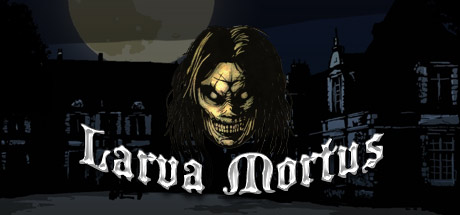
Then there’s Larva Mortus, where you play an exorcist agent hunting supernatural monsters in “a dark, ominous, and randomly generated atmosphere.” Its top-down chaos feels like Rentt’s early dungeon crawls—disorienting, tactile, full of improvised physics and sudden, scrappy victories. The player review calls it “fun gameplay loop and nice weapons”—which lands exactly right. Rentt doesn’t wield legendary swords; he wields alchemical paste, scavenged bone shards, and sheer tactical patience. Both Larva Mortus and The Unwanted Undead Adventurer treat combat not as spectacle-for-spectacle’s-sake, but as craft: messy, iterative, grounded in resourcefulness over grandeur.
And Arx Fatalis—with its “post-apocalyptic fantasy world” and emphasis on “exploration [that] is truly e…” (the review cuts off, but the ellipsis feels telling)—mirrors Rentt’s journey into forgotten passages and buried truths. Its first-person perspective forces intimacy with decay and discovery alike. Like Rentt navigating collapsed tunnels and whispering runes, Arx invites you to feel the weight of history in crumbling masonry and half-remembered spells. The review praises its “genuinely fresh” premise—not flashy, but textured. So is Rentt’s undead existence: no glowing aura, no tragic monologue—just cold bone on cold stone, and the slow, deliberate act of learning how to listen to the dungeon instead of shouting at it.
This pairing sings for the viewer who’s ever polished the same sword hilt until it shone, not because it mattered to anyone else—but because they needed to know it could still catch light. For the player who replays a boss not for the trophy, but to finally breathe in the same rhythm as the attack pattern. For anyone who’s built a found family out of shared exhaustion and sideways glances—not grand declarations, but the quiet certainty of someone handing you a healing potion before you ask. These aren’t stories about becoming extraordinary. They’re about discovering, in the marrow and the muck, that ordinary persistence is already magic—if you’re willing to hold it, bare-handed, in the dark.
🎮32 Games That Match the Vibe
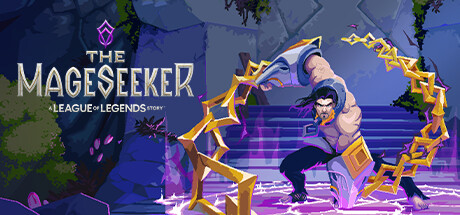
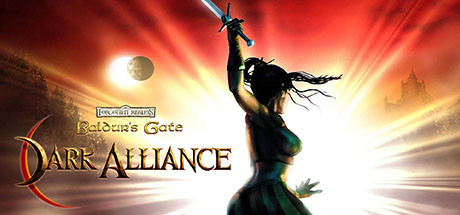
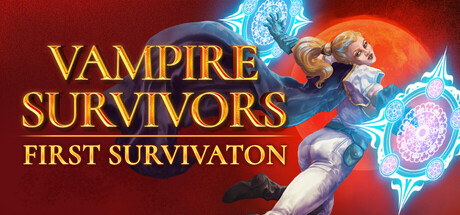
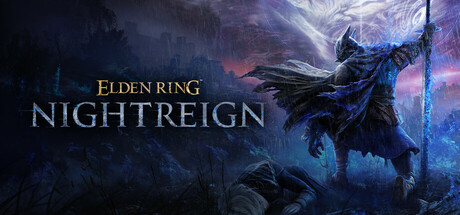


Match Dimensions Explained
❓Frequently Asked Questions
Why is Hades listed as similar to The Unwanted Undead Adventurer when it’s about Greek gods, not undead hunters?
Great question—it’s not the setting that matches, but the *feeling*: both games lean hard into fast, skill-based combat where every dodge, parry, and weapon swap matters. Like in The Unwanted Undead Adventurer, Hades’ Zagreus constantly dies and learns—each run layers new dialogue with characters like Nyx or Megaera, and unlocks permanent upgrades that reshape how you fight, just like leveling up your cursed gear or mastering enemy patterns in TUDUA.
Is there a mobile or anime adaptation of The Unwanted Undead Adventurer that’s worth watching or playing?
No official mobile game or anime exists yet—but if you’re craving that same vibe on another platform, Larva Mortus nails the *undead-hunting energy* on PC: you play as a supernatural exorcist blasting through procedurally generated, gloomy locales with shotguns, holy grenades, and cursed blades. Its review even calls out the ‘fun gameplay loop and nice weapons’—very much in line with TUDUA’s blend of grim humor and relentless action.
How does Sacred Gold compare to The Unwanted Undead Adventurer for fans of over-the-top monster slaying?
Sacred Gold is basically TUDUA’s jankier, more chaotic cousin—think battling hordes of blood-thirsty orcs and lumbering ogres across Ancaria’s open world, with flashy spells and brutal melee combos. It shares that same ‘action spectacle’ DNA (82 score, same dimension), though be warned: its player review bluntly says it’s ‘full of jank, bugs and is not very stable on modern systems,’ so temper expectations like you would with an early build of TUDUA.
What’s the best game like The Unwanted Undead Adventurer if I want that oppressive, lore-heavy dungeon crawl vibe—not just flashy combat?
Go straight to Arx Fatalis: it’s the only match with ‘Dark Fantasy’ *and* ‘Roguelike & Dungeon’ dimensions (84 score), and its first-person world feels genuinely ancient and crumbling—like exploring the ruins beneath TUDUA’s cursed temple. You’ll cast spells by drawing runes in real time, talk to NPCs trapped in political intrigue, and uncover a post-apocalyptic fantasy world where even the air feels thick with dread—exactly the weighty, immersive atmosphere TUDUA hints at but doesn’t fully dwell in.