Blood+
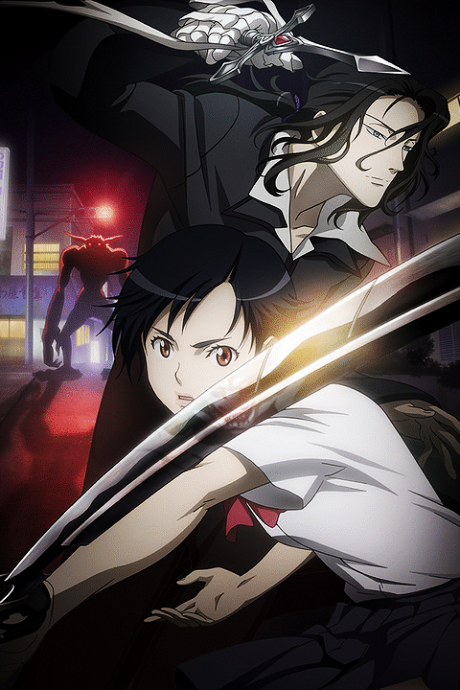
Saya Otonashi, a seemingly normal high school student, suffers from amnesia and she can't remember the past year of her life. One day, after a man appears and gives her a katana sword, her destiny begins to be revealed.
Soon she finds herself fighting the latest threat to humanity - Chiropteran monsters, ravenous immortal creatures that can change their form, disguising themselves as human beings. They feed off blood and hide themselves within the human world. An organization known as the Red Shield has been waging a private war to wipe them out and now the struggle has grown. Saya's journey for the truth has begun.
(Source: Sony Pictures Home Entertainment)
📺Anime Details
📝Editorial Analysis
Rain slicks the Tokyo streets, neon bleeding into oily puddles. Saya stands motionless in an alley, katana drawn—not raised, not lowered—just held, trembling at the wrist. Her breath fogs in the cold air. A Chiropteran’s laughter echoes from above, too human, too wrong. She doesn’t scream. She doesn’t flinch. She just waits, eyes wide and dry, as if every second of stillness is a vow she’s already broken a hundred times before. That silence—not fear, not rage, but recognition—is where Blood+ lives.
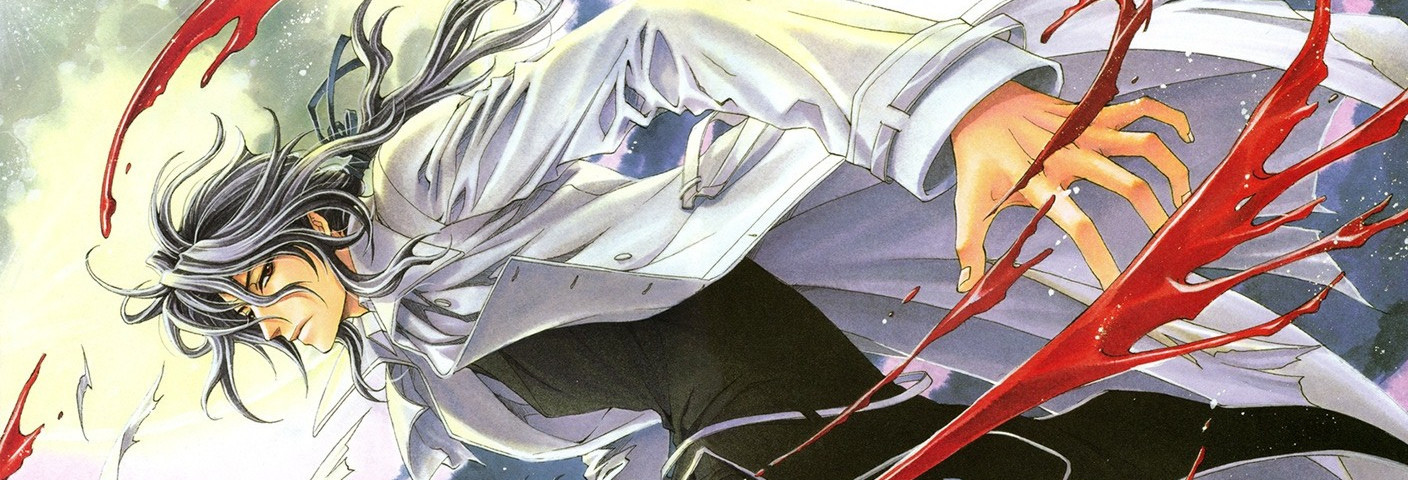
It’s not the gore that lingers. It’s the weight of memory you can’t reclaim but feel in your molars, in the hollow behind your ribs. Blood+ doesn’t trade in dread like horror; it trades in grief with no funeral. Saya’s amnesia isn’t a plot device—it’s a physical ache, a constant low hum of loss beneath school uniforms and swordplay. The Chiropterans aren’t just monsters—they’re mirrors: immortal, hungry, wearing faces you’ve kissed or shared bento with. Every fight carries the exhaustion of repetition, of fighting the same war across decades, across continents, across versions of yourself you barely recognize. It makes you think about time as trauma, about how love becomes dangerous when you outlive everyone who holds you gently—and how a found family isn’t comfort, but collateral damage.
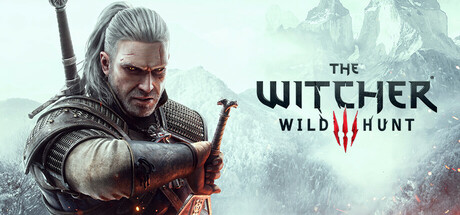
The Witcher 3: Wild Hunt resonates because it, too, builds its world on unresolved grief that walks and talks. Geralt hunts monsters—but his real contract is tracking Ciri, a child bound to him by blood, fate, and quiet, devastating tenderness. Like Saya, Ciri carries prophecy like a wound; like Saya, she fights while remembering too much, not too little. The player review calling it “an emotional narrative” hits true—not because it’s sad, but because its sorrow has texture: the rustle of leaves in Skellige, the way Geralt’s voice drops half an octave when he says “I’ll find her.” Both Blood+ and The Witcher 3 treat tragedy not as climax, but as weather—something you move through, adjust your coat against, keep walking in.
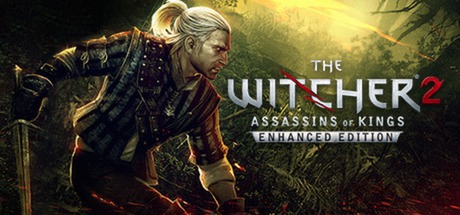
The Witcher 2: Assassins of Kings Enhanced Edition shares that same moral gravity in motion. Its description names “a time of untold chaos” and “forces vying for control”—but what sticks is how every choice lands like a stone dropped into deep water: ripples vanish, but the pressure remains. Saya doesn’t choose sides; she discovers them, again and again, watching allies fracture under the weight of centuries-old lies. The player review notes it “feels more thoughtfully designed than the next entry”—and that’s key: Blood+’s pacing, like The Witcher 2, trusts you to sit with ambiguity. No villain monologues. No clean betrayals. Just slow dawns over battlefields where the victor cleans blood off their glasses and wonders if they just killed the last person who remembered their real name.
Dark Messiah of Might & Magic matches in action spectacle fused with visceral consequence. Its description promises “ferocious combat in a dark and immersive world”—and the player review praises its melee as “fantastic… that still holds up.” That’s Blood+’s swordplay: not ballet, not flash—but impact. You feel Saya’s shoulder jar on every parry, hear the wet shink of blade meeting Chiropteran flesh, see her knuckles whiten mid-swing. There’s no stamina bar, but you feel the fatigue—the way her arm shakes after holding off three attackers in a train station, how her breath rasps when she finally lowers the katana, not in victory, but surrender to the next wave. Both refuse to let action be escapist. It’s labor. It’s cost.
This pairing isn’t for fans of “cool vampires” or “epic battles.” It’s for the ones who pause mid-episode to stare at their own reflection in a dark screen—wondering what parts of themselves they’ve forgotten, or buried, or are quietly protecting from the light. It’s for players who replay The Witcher 3’s Bloody Baron quest not for loot, but to hear Vesemir’s voice crack on “I tried to be better,” or who still remember how Saya’s hand hovered over Kai’s forehead in episode 27—not to heal, but to confirm he was warm, alive, real. They love stories where immortality isn’t power—it’s loneliness with teeth. Where family isn’t safety—it’s the thing you guard with your last breath, knowing full well it might be the first thing they take from you. Where every sword drawn is also a question: Who am I protecting—and who have I already lost?
🎮34 Games That Match the Vibe



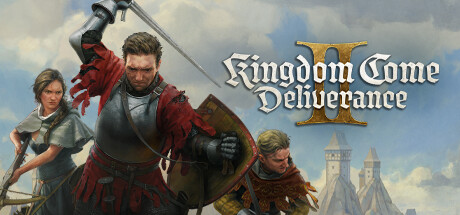
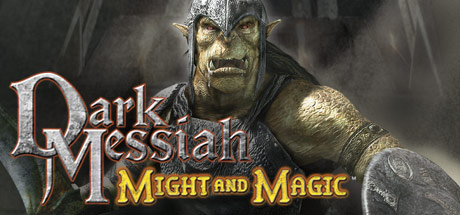
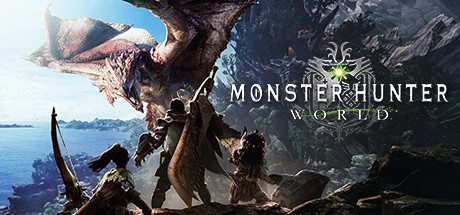
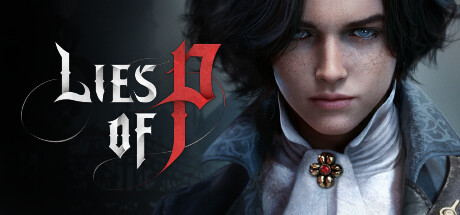
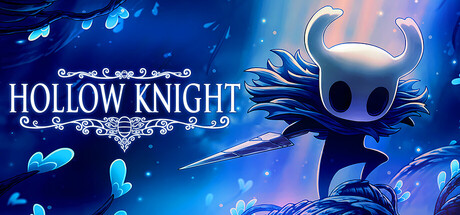
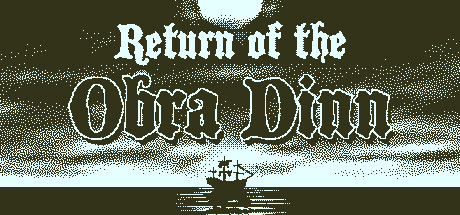
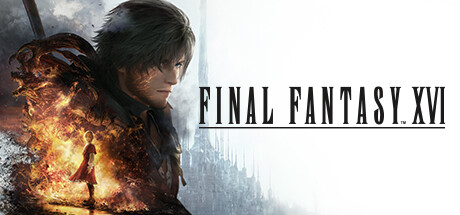


Match Dimensions Explained
❓Frequently Asked Questions
Why does Blood+ make people think of The Witcher series?
Because both dive deep into morally gray worlds where monster-hunting isn’t glamorous—it’s bloody, exhausting, and emotionally costly. Like Saya hunting chiropterans across Japan while wrestling with fragmented memories, Geralt tracks down Ciri across a war-torn continent, making brutal choices that echo long after the credits roll—especially in The Witcher 3 (score 82) and its predecessors, all rated equally high for Dark Fantasy and Emotional Narrative.
Is there a Blood+ video game adaptation?
No—there’s never been an official Blood+ game. But fans who love its gothic tone, tragic vampire lore, and lone-wolf protagonist often land on games like Dark Messiah of Might & Magic (score 81), which nails that same Action Spectacle: visceral melee combat, shadowy urban ruins, and a brooding antihero fighting supernatural horrors in close quarters—just swap Saya’s katana for a warhammer and you’re halfway there.
How is The Witcher 2 different from Sacred Gold if both are ‘dark fantasy’?
The Witcher 2 (score 82) is all about tight political intrigue, branching dialogue, and consequences that reshape entire kingdoms—think Geralt choosing sides in a Northern Kingdoms civil war, then watching those choices explode in Act II. Sacred Gold (score 80), meanwhile, is pure action-spectacle chaos: hack-and-slash hordes of orcs and ogres in janky, bug-ridden dungeons with minimal story—great if you want to vent frustration, not reflect on trauma like Saya does.
What’s the best Blood+ alternative if I just want that lonely, melancholy vampire-hunter vibe?
Go straight to The Witcher: Enhanced Edition Director’s Cut (score 82). It’s got that same quiet intensity—Geralt wandering rain-slicked roads, haunted by past failures, taking contracts that slowly unravel deeper personal stakes (like Yennefer’s arc or the whole ‘why am I even doing this?’ exhaustion). One player put it perfectly: ‘Play this to realize why team Yenn and not team Tress is a thing’—it’s that intimate, character-worn feeling Blood+ fans crave.