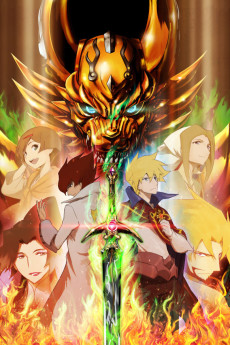
Garo: The Animation
The story of the anime begins when the king's adviser launches a witch hunt, which endangers the Makai Knights and Makai Priests, who are supposed to protect people. A Makai Priest who has been condemned to die at the stake gives birth to a child, Leon Lewis. The child is rescued by his father, a Makai Knight, but never meets his mother. When he grows up he inherits the Gold Armor as a descendant of the Gold Knights. Meanwhile the king's adviser has taken over the country as the king has become ill, and Prince Alfonso has been driven out with his mother. He comes seeking the legendary Gold Knight in hopes of retaking his kingdom.
(Source: Anime News Network)
📺Anime Details
📝Editorial Analysis
The scent of burning wood and wet ash hangs thick—not from a campfire, but from the pyre where a Makai Priest, bound in iron chains and draped in sackcloth, gives birth as flames lick her ankles. Her breath hitches, not in agony alone, but in defiance: a final act of creation into annihilation. That child—Leon Lewis—is snatched from smoke by armored hands, his first cry swallowed by the roar of the crowd and the clank of gold-plated gauntlets. No lullaby. No farewell. Just fire, blood, and the weight of armor passed down like a curse.
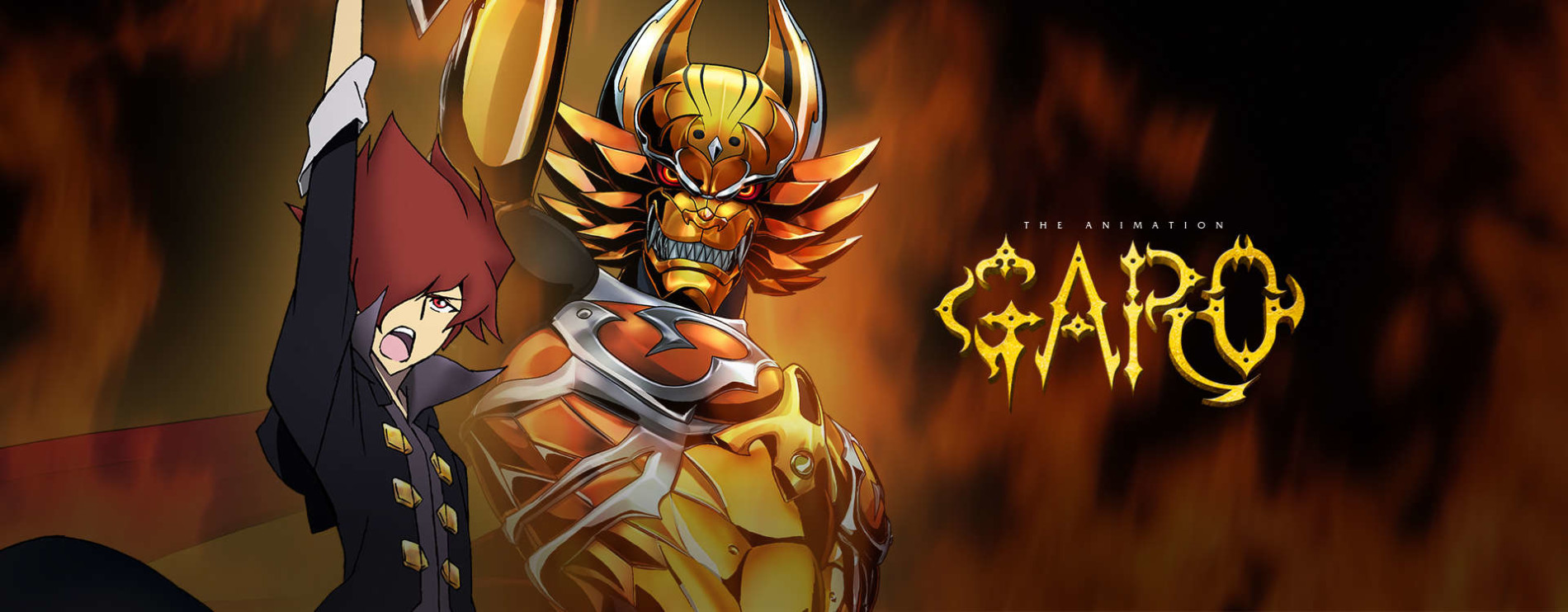
This is the emotional gravity well of Garo: The Animation: not just darkness, but sacred ruin. It’s the feeling of standing at the edge of a kingdom rotting from the throne down—where holy duty curdles into state-sanctioned slaughter, where magic isn’t wonder but wound-care, where every henshin isn’t triumph, but reclamation of something violently taken. You don’t feel empowered watching Leon don the Gold Armor—you feel the strain in his jaw, the tremor in his grip, the silence after the roar fades. It’s grief dressed in flame, revenge sharpened to a ritual edge, coming of age measured in scars you can’t wash off. There’s no light-versus-dark simplicity—only layered betrayal, inherited guilt, and the unbearable weight of being the last one who remembers what the oath meant.
That same suffocating, morally eroded grandeur pulses through Sacred Gold. Its description names “a shadow of evil [that] has fallen on the kingdom of Ancaria”—not an invasion, not a war, but a falling, slow and irreversible, like ink bleeding through parchment. You fight orcs and ogres not for glory, but because the ground itself feels unsteady beneath your boots. A player calls it “full of jank, bugs and is not very stable on modern systems…”—and that instability mirrors the anime’s world: creaking institutions, fraying loyalties, systems collapsing under their own corrupted logic. The jank isn’t a flaw—it’s texture. It makes you feel how hard it is to swing a sword when the kingdom’s foundations are crumbling.
Then there’s Disciples II: Gallean's Return, whose player declares it “Best Disciples ever… Awesome atmosphere and gameplay!”—not for polish, but for atmosphere. Its description confirms it’s built on prophecy, light versus dark, and legacy—“Guardians of the Light” echoing Makai Priests, “Dark Prophecy” mirroring the adviser’s slow usurpation. This isn’t about clean victories. It’s about managing dwindling resources, choosing which ally to sacrifice, watching factions fracture under ideological strain—just like the Makai Knights torn between loyalty to crown and duty to truth. The weight is identical: every decision lands with the dull thud of consequence, not the ping of achievement.
And Dark Messiah of Might & Magic? Its description promises “ferocious combat in a dark and immersive world,” powered by the Source Engine—but the player review cuts deeper: “A fantastic melee combat game that still holds up pretty well today… if you enjoyed Arx Fatalis…” That ferocity is key. Leon doesn’t duel—he shatters. His fights aren’t choreographed ballets; they’re brutal, close-quarters collisions where armor dents, blood sprays sideways, and victory smells like copper and burnt leather. The game’s emphasis on visceral, physics-driven melee—“ferocious,” not flashy—lands with the same impact, the same consequence, as Garo’s battle scenes. You don’t win by outsmarting the demon—you win by being more broken, more relentless, than it is.
Who lives for this? Not the casual viewer scrolling for spectacle. The one who watches Leon stare at his reflection in a cracked helm—not to admire the gold, but to trace the scar across his temple, the one he got before he ever wore the armor. The player who boots up Two Worlds II HD, ignores the launch failure on PC, and fires it up on SteamDeck instead—because the world matters more than the platform. The person who reads “blood-thirsty orcs & lumbering ogres” and thinks: Yes—let me feel how heavy my sword gets after the third kill. They crave stories where legacy isn’t inherited—it’s wrestled, where light isn’t pure—it’s forged in ash, and where every act of courage tastes faintly of gore, revenge, and something quieter, older: duty, worn thin as old parchment, but never quite torn.
🎮39 Games That Match the Vibe
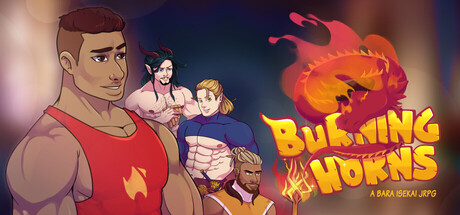
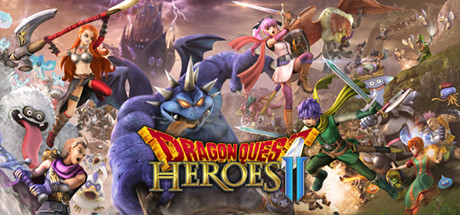
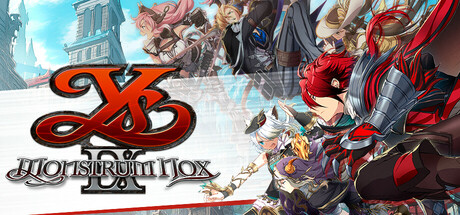

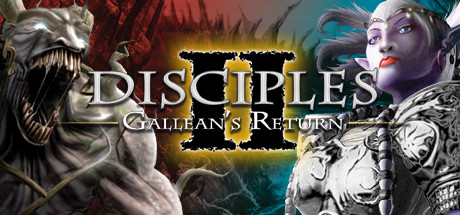


Match Dimensions Explained
❓Frequently Asked Questions
Why does Sacred Gold feel so similar to Garo's dark fantasy tone despite being so janky?
Sacred Gold nails Garo’s oppressive, mythic dread—think the Shadow Lord’s creeping corruption echoing Garo’s Makai darkness—and delivers that same over-the-top action spectacle with hulking ogres and blood-thirsty orcs you’d see in a Golden Knight battle sequence. Yeah, it’s famously unstable (crashes on modern systems, full of bugs), but that raw, unpolished intensity? Totally channels Garo’s gritty, high-stakes vibe.
Is there a Garo: The Animation video game adaptation?
No—there’s never been an official Garo: The Animation game adaptation. But if you’re craving that same blend of dark fantasy atmosphere and visceral action, Dark Messiah of Might & Magic is your best bet: its ferocious melee combat, morally grey world, and Source Engine-powered chaos feel like stepping into a Garo episode where you *are* the Golden Knight slashing through legions of fiends.
How does Disciples II: Gallean's Return compare to Two Worlds II HD for JRPG fans who love Garo’s lore-heavy storytelling?
Disciples II leans hard into Garo’s JRPG narrative dimension—its layered political intrigue between Light and Darkness factions mirrors the Makai Council’s scheming, and characters like Gallean echo Garo’s tragic antiheroes. Two Worlds II HD, meanwhile, ditches deep lore for bombastic action spectacle (like Kyra’s disappearance arc), making Disciples II the clear pick if you want story weight over spell-slinging set-pieces.
What’s the best Garo-like game if I just want to feel like a lone warrior cutting through hordes at night, sword glowing?
Dark Messiah of Might & Magic—hands down. Its first-person melee system lets you parry, kick, and decapitate enemies in real time, just like Kouga’s fluid, lantern-lit duels; the gloomy, rain-slicked streets of Vizima hit the exact same moody, atmospheric notes as Garo’s urban Makai battles. And yes, it needs a community patch to run smoothly—but once it does, it’s pure Golden Knight energy.