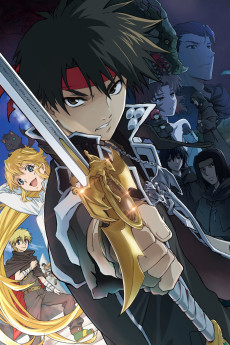
Sorcerous Stabber Orphen
📺Anime Details
📝Editorial Analysis
Rain slicks the cobblestones of a nameless port town—not the kind that glistens, but the kind that soaks, heavy and grey, turning lantern light into trembling smears on wet stone. Orphen stands beneath a broken awning, cloak damp at the hem, staring not at the storm, but at the space beside him where a dragon’s wing should have cast a shadow. His hand rests on the hilt of his sword—not drawn, not threatening—just waiting. Not for battle. For silence to settle after. That’s the heart of Sorcerous Stabber Orphen: not magic as spectacle, but magic as residue—the ash left behind when power burns too hot, too fast, too alone.
This isn’t fantasy as escape. It’s fantasy as weather—persistent, indifferent, carrying the scent of old spells and older regrets. The travel isn’t about discovery; it’s about passing through, towns blurring at the edges, roads dissolving into mist before they’re fully mapped. Even the dragons feel less like monsters and more like geological features—ancient, half-buried, exhaling breath that smells like cooled magma and forgotten treaties. The martial arts aren’t choreographed triumphs—they’re efficient, weary, elbows sharp, stances low, bodies remembering how to brace before the blow lands. CGI doesn’t smooth things over—it grinds, giving motion a tactile resistance, like walking through thick oil. You don’t feel heroic here. You feel tired, watchful, resigned to the weight of what you carry—and what you’ve lost. That’s the feeling: melancholic exploration. Not sadness as collapse, but as atmosphere—thick, breathable, laced with quiet consequence.
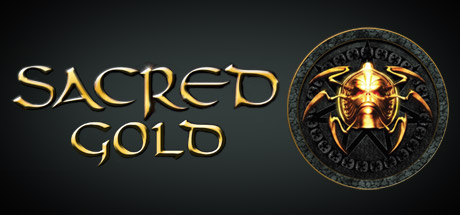
Sacred Gold hits that same note—not in its description’s promise of orc-slaying spectacle, but in the player review’s raw admission: “Full of jank, bugs and is not very stable on modern systems…” That instability isn’t a flaw—it’s texture. Like Orphen’s world, Ancaria feels half-unraveled, its kingdoms held together by fraying lore and stubborn NPCs who repeat lines like incantations no one believes anymore. You trek across terrain that doesn’t reward speed or polish—it rewards patience, attention to crumbling bridges and flickering torches, the way Orphen notices rain pooling in a cracked flagstone before stepping over it. The action isn’t clean—it’s janky, unstable, echoing the anime’s refusal to let magic feel effortless or safe.
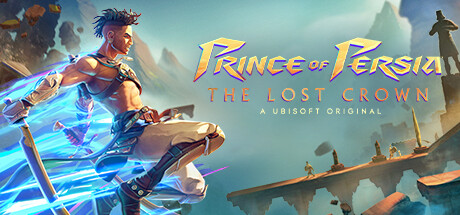
Prince of Persia (the 2024 reboot) shares that same melancholic exploration: its description names “a new prince, new lands and a brand new story completely separate from the sands…” That separation is key. Like Orphen shedding his past identity, this Prince moves through ruins not as conquest, but as archaeology of absence. His acrobatics aren’t just flashy—they’re precise, almost ritualistic, each leap measured against gravity’s memory, each landing absorbing impact like Orphen absorbing silence after a spell detonates. The player review doesn’t praise combat—it highlights newness, separation, the emotional labor of rebuilding meaning from scratch. That’s Orphen’s entire posture: not fighting toward something, but moving away from what he was, step by deliberate step.
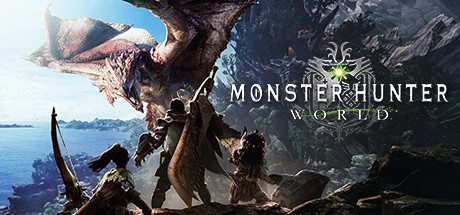
Monster Hunter: World resonates not in its hunting mechanics, but in its scale of quiet. The description says nothing about emotion—but the game’s vast, breathing ecosystems—where a Rathalos’s roar shakes leaves off-screen, where you track a monster by faint claw marks and disturbed moss—mirror Orphen’s world. You don’t dominate these spaces; you read them, learn their rhythms, accept their indifference. The action spectacle isn’t about victory—it’s about endurance, about surviving long enough to witness the sun break over the Coral Highlands just as Orphen watches dawn bleed over a mist-choked valley, neither triumphant nor defeated—just present, witnessing, carrying on.
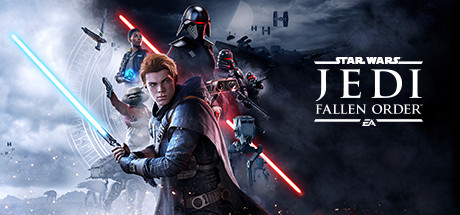
This pairing isn’t for the seeker of catharsis or conquest. It’s for the person who finds comfort in weight—who lingers in doorways, traces cracks in plaster, replays a line of dialogue not for plot, but for the pause before it. It’s for the viewer who watches Orphen stare at rain and thinks, yes—that’s how grief settles. For the player who boots up STAR WARS Jedi: Fallen Order™, not for lightsaber flourishes, but for the way Cal’s boots sink slightly into the mud of Bogano, each step a small act of reclamation. They don’t want stories that resolve—they want worlds that breathe, unevenly, beautifully, with the quiet, unblinking dignity of someone who’s already lost everything… and still walks on.
🎮13 Games That Match the Vibe



Match Dimensions Explained
❓Frequently Asked Questions
Why does Sacred Gold keep showing up in 'Games Like Sorcerous Stabber Orphen' lists?
Because Sacred Gold nails that same lonely, world-weary fantasy vibe — think Orphen wandering ruined temples or battling cursed knights in mist-shrouded ruins. Its 'Melancholic Exploration' dimension mirrors Orphen’s brooding tone, and the 'Action Spectacle' comes through in chaotic, weighty melee clashes with orcs and ogres — even if it’s janky as hell on modern PCs (as one player bluntly put it: 'Full of jank, bugs and is not very stable...').
Is there an anime adaptation of Prince of Persia that explains its Orphen-like feel?
Nope — Prince of Persia (2024) is a full video game reboot, *not* an anime adaptation. But it *does* channel Orphen’s melancholic grandeur: you play a new Prince navigating myth-haunted deserts and crumbling palaces, facing cosmic decay like Orphen confronting sorcerous corruption. As the review notes, it’s 'completely separate from the Sands timeline' — so no Dastan or time-dancing, just raw, solemn worldbuilding and swordplay.
How does STAR WARS Jedi: Fallen Order compare to Monster Hunter: World for Orphen fans?
Both hit 'Melancholic Exploration' and 'Action Spectacle', but in totally different ways: Fallen Order leans into quiet, atmospheric dread — like Orphen’s somber flashbacks — with Cal Kestis meditating in ruined Jedi temples or fighting through rain-lashed, overgrown ruins. Monster Hunter: World, meanwhile, swaps that solitude for immersive, tactile spectacle — tracking a wounded Rathalos across ancient forest canyons feels like Orphen’s focused, ritualistic monster-slaying, but with way more clanging steel and roaring beasts.
What's the best 'Games Like Sorcerous Stabber Orphen' pick if I want that lonely, poetic fantasy mood without heavy RPG systems?
Go straight to Prince of Persia (2024) — it ditches complex skill trees and inventory micromanagement for tight, lyrical action and environmental storytelling. You’ll feel that Orphen-esque weight in every slow-motion parry, every silent walk through abandoned observatories under twin moons, and every moment Cal’s quiet intensity echoes Orphen’s weary resolve — all wrapped in a clean, accessible combat loop.