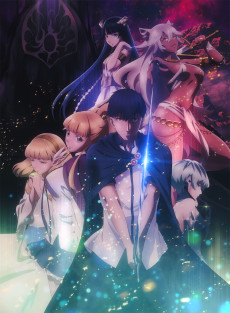
Tales of Wedding Rings
📺Anime Details
📝Editorial Analysis
The first time the protagonist slips on that ring—cold metal against trembling skin, light flaring not like magic but like a held breath snapping back into place—you feel it: not wonder, but recognition. A hikikomori’s world shrinking to four walls suddenly cracks open, not with thunder or prophecy, but with the quiet, absurd weight of a wedding band glowing faintly under fluorescent light. No grand incantation. No chosen-one fanfare. Just him, his cluttered room, and the impossible softness of a dragon girl’s voice saying, “You’re my fiancé now.” That’s where Tales of Wedding Rings lives—not in spectacle, but in the tremor before transformation.
What makes this anime breathe differently isn’t its harem or ecchi flourishes—it’s how deeply it anchors fantasy in domestic disorientation. Magic doesn’t arrive as power; it arrives as responsibility, awkward and uninvited. Swordplay isn’t about mastery—it’s about fumbling through combat while still wearing slippers. Demons aren’t cosmic threats—they’re roommates negotiating chores, dragons are exasperated girlfriends who sigh when he forgets to charge his phone. The isekai isn’t a leap across worlds, but a stumble into consequence: every spell cast, every ring activated, echoes with the quiet panic of someone who’s spent years avoiding commitment now being handed five wedding rings—and five women who treat love like a covenant, not a conquest. It makes you feel unmoored, then held—not by destiny, but by the sheer, stubborn warmth of people choosing you, even when you’re still learning how to stand up straight.
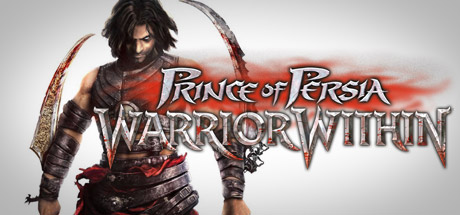
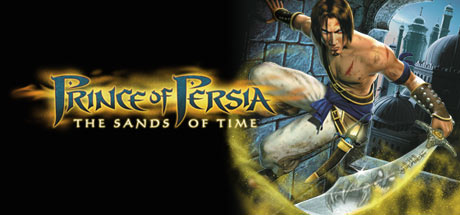
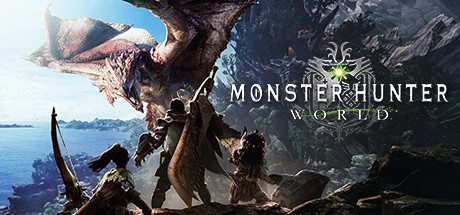
That same emotional resonance hums in Prince of Persia: The Sands of Time, where a young prince stumbles into power not through lineage, but through accident—a dagger, a sandstorm, a single misstep that unravels time itself. His platforming isn’t graceful; it’s clumsy, urgent, locked to directions that force hesitation—just like the anime’s hero tripping over his own feet mid-spell. Player reviews call it “satisfying due to the locked directions, which helps. Yet still challenging platforming.” That tension—between control and collapse, between intention and inertia—is identical to the anime’s core rhythm. And in Prince of Persia: Warrior Within, hunted by Dahaka—a relentless, time-bound specter—the Prince doesn’t grow stronger through triumph, but through endurance. The player review says, “Dahaka chase is still as goated as it was before”—that chase isn’t just action; it’s the dread of consequence catching up, mirroring how every romantic choice in Tales of Wedding Rings carries real, tender weight. Even Monster Hunter: World shares this DNA—not in romance, but in melancholic exploration. You track monsters across mist-laced forests and sun-baked ruins, not for glory, but because something needs tending. The player doesn’t conquer; they learn, adapt, return—just like the hikikomori returning, again and again, to rooms full of girls who see him—not as a trope—but as someone worth waiting for.
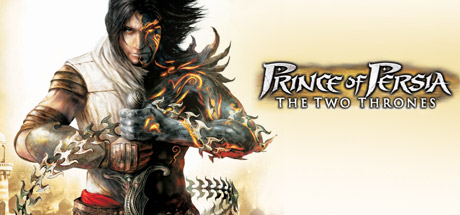
This pairing belongs to the person who replays The Two Thrones not for the swordplay, but for the moment Kaileena touches the Prince’s face and says, “You remember me?”—and feels their throat tighten. It’s for the one who pauses Last Epoch mid-dungeon to stare at the rain falling through a shattered stained-glass window, remembering how a dragon girl once sat beside them eating convenience-store pudding, silent, steady. It’s for anyone who’s ever worn pajamas too long, then felt their pulse jump—not from adrenaline, but from the terrifying, luminous softness of being seen, chosen, and gently, relentlessly loved into becoming. Not a hero. Not a king. Just someone. Finally.
🎮35 Games That Match the Vibe

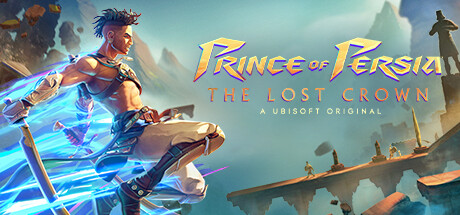

Match Dimensions Explained
❓Frequently Asked Questions
Why does Prince of Persia: The Sands of Time keep showing up in 'Games Like Tales of Wedding Rings' lists?
Because both hinge on time manipulation as emotional scaffolding—not just a gimmick. In Sands of Time, rewinding mistakes after accidentally killing allies mirrors how Tales of Wedding Rings uses temporal loops to deepen romantic stakes and regret. That dagger’s rewind mechanic isn’t just tactical platforming (as one player notes: 'tactical platforming that is satisfying due to the locked directions'); it’s narrative intimacy—exactly the vibe fans of wedding-ring time loops crave.
Is there an anime or manga adaptation of Prince of Persia: Warrior Within?
No official anime or manga adaptation exists for Warrior Within—unlike Tales of Wedding Rings, which got both. But the game’s core tension—being hunted by Dahaka, that immortal force of consequence—feels *deeply* anime-adjacent: think tragic backstory, relentless pursuit, and a prince wrestling his own fate. As one longtime fan put it: 'Dahaka chase is still as goated as it was before'—that raw, personal stakes energy is why it resonates with TWB fans despite zero adaptations.
How does Prince of Persia: The Two Thrones compare to Tales of Wedding Rings in terms of romance and consequences?
Two Thrones trades wedding rings for a fractured psyche—but the emotional weight lands similarly. You’re not just fighting enemies; you’re battling your darker self (the Dark Prince) while trying to protect Kaileena, mirroring TWB’s ‘love vs. duty’ tension. One player calls it ‘one of my best childhood games…still plays great,’ highlighting how its moral ambiguity and relationship-driven stakes—especially the ending where choices reshape identity—hit that same bittersweet, high-stakes romantic resonance.
What’s the best ‘Tales of Wedding Rings’-like game if I want melancholic exploration with deep lore and slow-burn emotional payoff?
Monster Hunter: World nails that vibe—especially in its Elder Dragon quests and Seliana’s quiet, rain-soaked hub. It’s not about romance per se, but about melancholic exploration (a core dimension), layered worldbuilding, and earned emotional payoffs—like finally understanding Nergigante’s tragic isolation or tracking Zorah Magdaros across ruined landscapes. As reviewers note, it blends ‘JRPG Narrative’ depth with ‘Melancholic Exploration’ in a way that satisfies TWB fans craving atmosphere over exposition.