
BLEACH: Thousand-Year Blood War - The Conflict
The third part of BLEACH: Sennen Kessen-hen.
📺Anime Details
📝Editorial Analysis
The air tastes like burnt iron and static—Ichigo’s blade shuddering mid-swing as the first Quincy arrow pierces his shoulder, not with a clean thwip, but a wet, tearing crack that echoes like bone snapping under pressure. His breath hitches—not from pain alone, but from the weight of it: the sudden, suffocating realization that this war doesn’t pause for grief, doesn’t honor ceremony, doesn’t wait for you to catch your breath before the next blow lands. That moment isn’t spectacle—it’s gravity. It’s the third part of BLEACH: Thousand-Year Blood War - The Conflict, where every clash carries the residue of centuries, every scar pulses with inherited trauma, and even silence hums with the low thrum of collapsing realms.

What makes this anime vibrate differently isn’t just its scale—it’s how it refuses catharsis. There’s no triumphant music swelling after a victory; instead, there’s the hollow clang of a broken zanpakutō hitting pavement, the slow drip of blood onto cracked spirit particles, the way characters speak in clipped sentences because full sentences feel like luxuries they can’t afford. It’s exhaustion made visible—grief worn like armor, duty mistaken for identity, legacy felt as a physical burden. You don’t watch it to escape. You watch it to witness: the cost of holding a line when the ground beneath you is dissolving into ash.
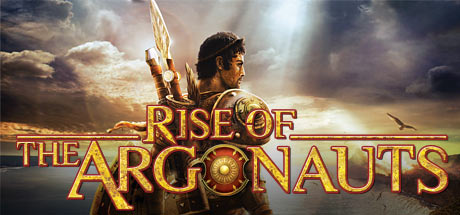
That emotional resonance flickers strongest in Rise of the Argonauts, where Jason’s vow to restore his murdered fiancé isn’t framed as heroic resolve—it’s raw, obsessive, almost pathological. The description says he “vowed to do anything to restore her life,” and that anything bleeds into moral erosion, betrayal, and mythic compromise. Just like Ichigo’s rage hardening into something colder, more tactical, Jason’s grief becomes the engine of war—not noble, not clean, but inescapable. A player review nails it: “If you love games based on ancient history this one does it right…”—not because it’s accurate, but because it treats myth not as legend, but as lived consequence, where gods intervene not with benevolence, but with agendas that fracture human loyalty. That same texture lives in BLEACH: Thousand-Year Blood War - The Conflict: gods aren’t distant—they’re present, flawed, weaponized, and their wars leave mortal ghosts trembling in the rubble.
Then there’s NieR:Automata™, where androids 2B, 9S, and A2 fight machines in a world already lost—reclaiming nothing but fragments of meaning. The description positions them in a “machine-driven dystopia overrun by powerful machines,” and the player review cuts deeper: “We’re trapped in a never-ending spiral of life and death.” That phrase lands like a punch. Because BLEACH: Thousand-Year Blood War - The Conflict isn’t about winning a war—it’s about surviving cycles. Quincy, Soul Reapers, Hollows—all locked in recursive violence, each generation inheriting the sins and strategies of the last. There’s no final victory, only temporary reprieves, shattered truces, and the quiet horror of realizing your enemy’s logic is understandable, even justified. The action spectacle isn’t flashy—it’s weary, deliberate, heavy with the knowledge that every sword drawn reopens old wounds.
Even Jade Empire™: Special Edition, though tonally softer, shares that core tension: the choice between “open palm or closed fist” isn’t philosophical window dressing—it’s embodied ideology, where morality isn’t abstract but kinetic, written in stance, parry, and follow-through. The player review mentions technical hurdles (“I had to follow these instructions…”), but what lingers is the game’s commitment to making belief systems fightable, feeling—just as BLEACH: Thousand-Year Blood War - The Conflict turns spiritual hierarchy into visceral combat choreography, where a Quincy’s bow isn’t just a weapon but a theological statement made manifest in light and blood.
This pairing isn’t for fans of tidy resolutions or power fantasies. It’s for the ones who replay the same battle scene three times—not to master the combo, but to sit with the silence after the dust settles. For players who linger in city-building games not to optimize resources, but to watch how citizens mourn in the shadow of crumbling temples. For viewers who feel the weight of a character’s unspoken vow more than their shouted battle cry. It’s for people who understand that gore isn’t shock—it’s testimony. That war isn’t conflict—it’s inheritance. And that the most devastating moments aren’t when someone falls—but when they stand back up, eyes hollow, and reach for the sword again.
🎮17 Games That Match the Vibe




Match Dimensions Explained
❓Frequently Asked Questions
Why does Rise of the Argonauts feel so much like BLEACH: Thousand-Year Blood War’s Hollow battles?
Because both lean hard into mythic-scale action spectacles—Rise lets you channel divine powers mid-combo (like Zeus’s lightning strikes or Hades’ shadow bursts), mirroring Ichigo’s Bankai releases and Hollow transformations in visual intensity and weight. The game’s ‘Mythology & Folklore’ dimension pairs with its real-time combat system to deliver that same visceral, high-stakes dueling vibe you get during major TYBW arcs like Yhwach vs. Ichigo.
Is there a BLEACH: Thousand-Year Blood War anime adaptation of Loki?
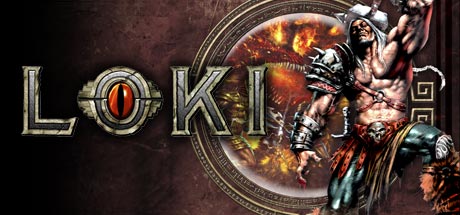
No—Loki is a standalone mythology-based action RPG inspired by Norse, Greek, Egyptian, and Hindu lore, not a BLEACH adaptation. It shares the ‘Mythology & Folklore’ dimension with TYBW’s spiritual world themes, but its story centers on four mythic heroes (like a Norse berserker or an Egyptian priestess), not Soul Reapers or Quincy. The confusion might come from both having flashy, god-tier combat—but Loki has zero BLEACH ties.
How does NieR:Automata compare to BLEACH: TYBW in terms of emotional weight and action pacing?
NieR:Automata hits similar emotional highs—especially through 2B and 9S’s tragic, cyclical bond—echoing TYBW’s themes of sacrifice and fractured identity (think Yhwach’s ‘Sangvis Ferri’ or Uryū’s conflicted loyalty). Its ‘Action Spectacle’ + ‘JRPG Narrative’ combo delivers rapid, stylish combat (like 2B’s sword combos) *and* quiet, haunting storytelling—just like TYBW’s balance between brutal Hollow slaying and soul-wrenching flashbacks.
What’s the best game like BLEACH: TYBW if I want that intense, mythic-feeling action but also deep lore about gods and spirits?
Rise of the Argonauts is your best bet—it’s got that same mythic gravitas and cinematic combat, where Jason channels Olympian powers mid-fight (e.g., Athena’s wisdom-enhanced parries or Poseidon’s tidal slams), mirroring how TYBW treats spiritual energy as both sacred and destructive. With an 85 Metacritic score and strong ‘Mythology & Folklore’ + ‘Action Spectacle’ alignment, it nails the tone without leaning into JRPG systems or city-building distractions.