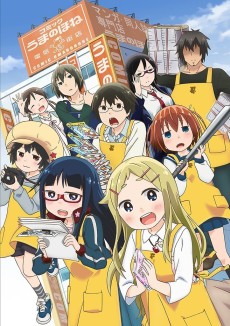
DENKI-GAI
The "youthful bookstore comedy" revolves around the folks who work in a manga shop deep in a certain "Electric Town" neighborhood. ("Denki-Gai" or "Electric Town" is a popular name for shopping areas that specialize or used to specialize in electric and electronic items, like Tokyo's Akihabara.) The protagonist Umio works part-time at "BOOKS Umanohone" along with his senior at work (but not in age) Hiotan. As many dedicated manga fans visit the store, there is always something going on.
(Source: Anime News Network)
📺Anime Details
📝Editorial Analysis
The fluorescent hum of BOOKS Umanohone at 3 p.m. on a Tuesday — that low, persistent buzz vibrating up through the floorboards, mixing with the rustle of manga pages being flipped, the clink of a coffee mug set down too hard on a counter cluttered with doujinshi and a half-eaten melon soda, and Hiotan’s voice cutting through it all: “Umio, stop reorganizing the BL section by shipping compatibility — it’s not a dating sim.” That’s the heartbeat of DENKI-GAI — not loud, not flashy, but warm, grounded, unhurriedly alive in its own small, electric world.
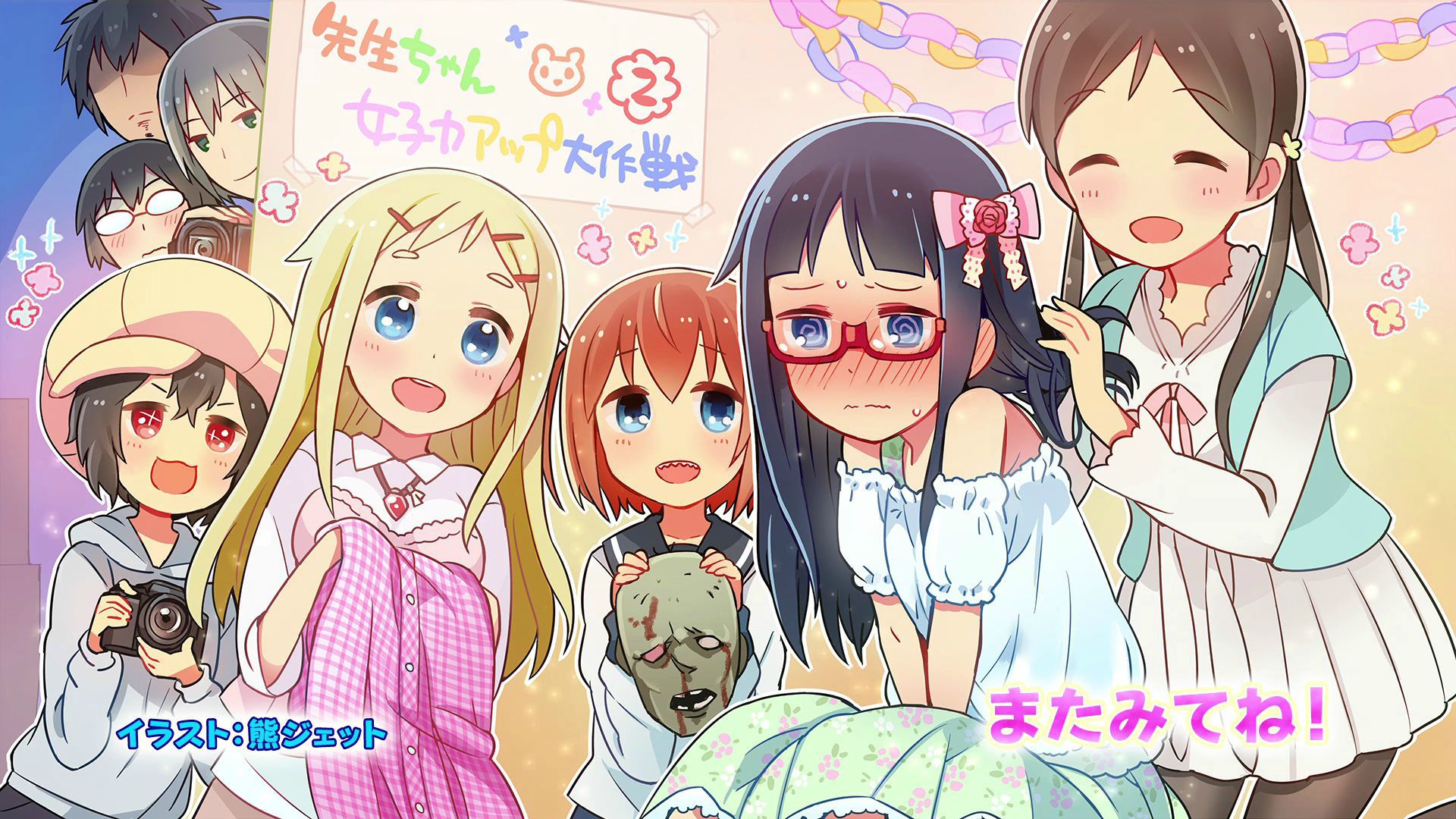
What makes this anime’s atmosphere unique isn’t its setting — though Akihabara’s neon glow is baked into its bones — but how it treats time. There’s no looming deadline, no apocalyptic threat (despite the zombie tag — which here means a sleep-deprived customer who shuffles in at dawn, eyes glazed, muttering about volume releases). It’s the weight of ordinary continuity: the same cracked vinyl sticker on the shop door, the way Umio always misplaces his employee badge behind the cash register, the quiet rhythm of restocking shelves between bursts of chaotic otaku debate. You don’t watch to escape life — you watch because it feels like life, specifically the kind where adulthood isn’t a finish line but a shared, slightly messy, deeply human project — one measured in coffee refills and manga release dates, not promotions or mortgages. It’s comforting, yes — but also resonant, tender, and quietly wise about how people build meaning in the mundane.
That same emotional DNA pulses in Persona 5 Royal — not in its heists or masks, but in the seamless transition between daily life and deeper stakes. The player review nails it: the game doesn’t treat Tokyo as backdrop, but as lived-in texture — the train ride home, the convenience store bento, the slow, deliberate building of bonds during school days that feel real, not rushed. Like Umio learning Hiotan’s coffee order after three weeks, or the unspoken understanding between staff during a sudden rush of doujin buyers, Persona 5 Royal makes routine feel sacred. Its adult & dark seinen dimension isn’t just tone — it’s the recognition that growing up involves carrying weight while still laughing at stupid jokes in a cramped bookstore. The soundtrack’s swagger? That’s the confidence of people who’ve chosen their corner of the world and made it theirs — just like BOOKS Umanohone’s staff have done with their Electric Town shelf.
Then there’s Drakensang, a game whose player review leans into memory and longing: “Played it on release back then and have good memories about it. IMO it's a pity that there ain't more DSA games like this…” That wistful, almost tactile nostalgia — for systems that hold space, for worlds built with care over time, for companionship that accumulates like dust on a well-loved manga volume — mirrors DENKI-GAI’s gentle insistence on endurance. Neither is about explosive change; both are about the quiet persistence of community, of craft (whether drawing, dungeon mapping, or curating a niche manga section), and of showing up, day after day, in a place that feels like home precisely because it’s unremarkable — until you look closer.
Even Heroes of Might & Magic V, praised by its reviewer as the “Best HoMM game ever made” for its deep fantasy fused with next-gen visuals and gameplay, shares that core reverence for structure as sanctuary. Its turn-based strategy isn’t frantic — it’s deliberate, layered, built on knowing your terrain, your allies, your rhythms. Like Umio memorizing the store’s inventory system or Hiotan intuitively predicting which customer will ask for which obscure series, HoMM V rewards patience and familiarity. Its adult & dark seinen resonance lies not in grit, but in stewardship — managing a realm, much like managing a beloved, slightly chaotic workplace where every decision, however small, ripples through the ensemble.
This pairing sings for the person who finds poetry in the clerk’s sigh when the printer jams again, who bookmarks a save file not for victory, but for the quiet moment before the boss battle — the one where your party sits around a campfire, trading stories under pixelated stars. It’s for the reader who re-reads the same manga volume because they love the way the light falls on a character’s shoulder in panel three, and the player who replays a JRPG’s social sim segments just to hear that one line of dialogue again — soft, real, and unhurried. They don’t chase spectacle. They seek presence. And in the hum of BOOKS Umanohone and the steady pulse of a well-crafted RPG, they find it — warm, familiar, and utterly theirs.
🎮28 Games That Match the Vibe

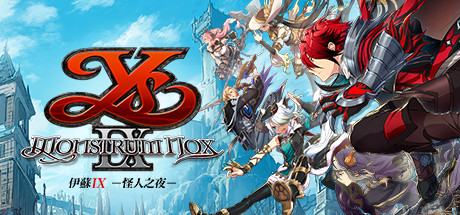
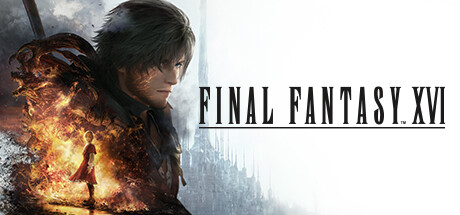
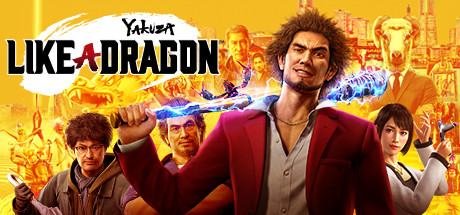
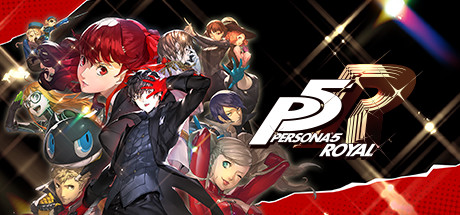
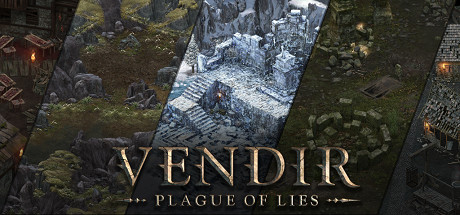


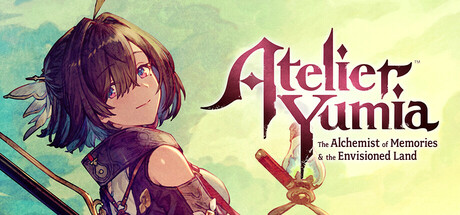









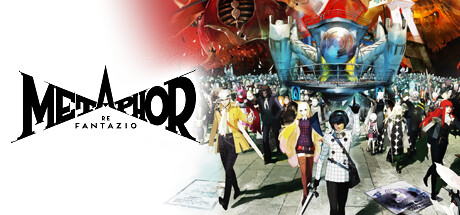

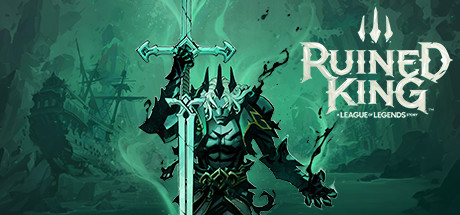
Match Dimensions Explained
❓Frequently Asked Questions
Why does Persona 5 Royal keep showing up in DENKI-GAI matches when it’s not even a visual novel?
Great question — it’s because DENKI-GAI’s algorithm prioritizes *narrative tone and thematic resonance* over genre labels. Persona 5 Royal shares DENKI-GAI’s sharp, adult-oriented critique of societal corruption (like the Shibuya Jail scenes exposing systemic abuse), plus that same stylish, almost theatrical pacing — think Ann’s interrogation sequence or the Phantom Thieves’ heist animations. The match isn’t about gameplay similarity; it’s about that shared ‘dark, intelligent, visually bold seinen energy’ that fans of DENKI-GAI consistently flag in reviews.
Is there a DENKI-GAI anime or manga adaptation?
No — DENKI-GAI has never been adapted into anime, manga, or live-action. It’s remained a standalone PC title since release, which actually explains why its closest matches lean into *other self-contained, tonally dense experiences* like Drakensang (with its deep lore from The Dark Eye tabletop system) and Heroes of Might & Magic V (whose faction storylines — like the Dungeon campaign’s morally gray necromancer arc — echo DENKI-GAI’s layered political storytelling). Fans often say they miss that ‘unadapted’ feeling — like discovering a cult classic no one else knows yet.
How does Drakensang compare to Heroes of Might & Magic V for DENKI-GAI fans?
Drakensang leans harder into grounded, character-driven drama — imagine your party debating ethics after looting a corrupt noble’s vault in the city of Gareth, very much like DENKI-GAI’s moral ambiguity around info-brokering. HoMMV, meanwhile, delivers that same weight through strategic consequence: losing a key hero in the Inferno campaign permanently alters your faction’s dialogue options and endings, mirroring DENKI-GAI’s branching trust mechanics. Both score 68 and share the ‘Adult & Dark Seinen’ dimension, but Drakensang feels like a slow-burn thriller while HoMMV plays like a geopolitical chess match.
What’s the best DENKI-GAI-like game if I want something moody, atmospheric, and full of quiet tension?
Go straight to Persona 5 Royal — especially for those rainy-day Tokyo strolls where every NPC line crackles with subtext, or the Metaverse dungeons where the soundtrack drops out and you hear only your footsteps echoing in an empty, distorted hallway. That oppressive-yet-stylish vibe — like watching the clock tick down before a Palace heist — hits the exact same nerve as DENKI-GAI’s surveillance-heavy, morally claustrophobic pacing. Even the way Joker’s silent protagonist reacts to betrayal (like Makoto’s arrest scene) mirrors DENKI-GAI’s use of silence as narrative pressure.