
Elfen Lied
The Diclonius, a mutated homosapien that is said to be selected by God and will eventually become the destruction of mankind, possess two horns on their heads and have a "sixth sense" which gives them telekinetic abilities. Due to this dangerous power, they have been captured and isolated in laboratories by the government. Lucy, a young and psychotic Diclonius, manages to break free of her confines and brutally murders most of the guards in the laboratory where she is being held, only to be shot in the head as she makes her escape. She survives, falling off a cliff into the ocean and manages to drift along to a beach where two teenagers, Kouta and Yuka, discover her. Having lost her memories, she was named after the only thing that she can now say, "Nyuu," and the two allow her to stay at Kouta's home. However, it appears that the psychotic side of Lucy is not dead just yet...
(Source: ANN - Revised)
📺Anime Details
📝Editorial Analysis
The smell of copper and rain. That’s what hits first—not the blood, not the horns, but the wet iron clinging to Lucy’s bare feet as she walks away from the laboratory, her white dress already streaked black at the hem, one hand dragging a severed guard’s arm like a broken doll. Her expression isn’t rage. It’s absence. A hollow calibration—like something vital was never installed, only mimicked.

That moment isn’t horror for shock’s sake. It’s the quiet before the collapse of meaning: a girl who should be human, radiating violence not as choice but as physics—her vectors slicing through bone and belief alike. Elfen Lied doesn’t ask if monsters are born or made. It forces you to watch the seams tear while the body keeps moving. The atmosphere isn’t dread—it’s dissonance: tender piano melodies over gutted torsos, childhood flashbacks scored with surgical saws, romance blooming in the same frame where a skull caves inward like wet clay. You don’t feel scared. You feel unmoored, watching empathy and atrocity share the same nervous system. It’s less “what would I do?” and more “what am I, when the line between victim and vector dissolves?”
That emotional DNA—the way trauma warps identity until selfhood becomes a contested territory—echoes sharply in BioShock™. Its description names Body Horror & Occult, and its player review calls it “revolutionary” for how it changed the gaming world. Not because of guns or graphics—but because Rapture’s decay mirrors Lucy’s fractured psyche: a utopia built on god-complex ideology, where ADAM rewires memory and biology until “human” is just a legal fiction. When Jack hears “Would you kindly?” and obeys, it’s the same chilling surrender as Lucy’s dissociative fractures—both are bodies hijacked by design, their wills overwritten by systems masquerading as salvation. The horror isn’t in the splicers’ mutations; it’s in recognizing your own compliance.
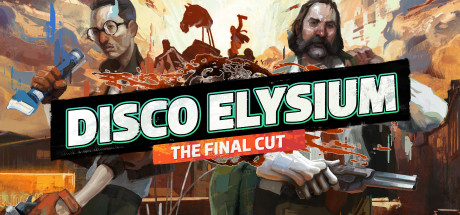
Then there’s Disco Elysium - The Final Cut, tagged Emotional Narrative and Political Thriller, with a player quoting capital’s cruel irony: “Even those who would critique capital end up reinforcing it instead.” That line aches with Elfen Lied’s core tragedy—not just that Diclonius are hunted, but that their very existence is weaponized by the state that denies them personhood. Kim Kitsuragi’s quiet exhaustion, the precinct’s crumbling walls, the detective’s shattered mind arguing with itself in real time—all mirror the anime’s insistence that trauma isn’t a plot device but infrastructure. You don’t solve the mystery of Revachol; you inhabit its rot. Like Lucy, you’re not trying to win—you’re trying to remember who you were before the system named you “threat.”
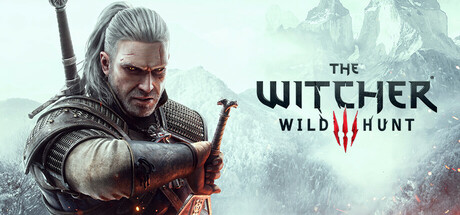
And The Witcher 3: Wild Hunt, with its Dark Fantasy and Adult & Dark Seinen dimensions, lands with visceral weight. Geralt tracking Ciri—the Child of Prophecy—isn’t a hero’s quest. It’s a parent’s terror disguised as duty. Every village scarred by monsters, every witch hunt disguised as justice, every “freak” lynched for powers they didn’t choose? That’s the world Lucy escapes into—and the one Nana tries, desperately, to shield her from. The player review notes DLC arriving 11 years later, proof of enduring resonance: this isn’t escapism. It’s excavation. Like Elfen Lied, it refuses catharsis. You don’t “fix” Ciri’s trauma any more than you “cure” Lucy. You hold space for the wound—and watch what grows in the dark.
This pairing isn’t for fans of gore or power fantasies. It’s for the ones who pause mid-battle in Disco Elysium to stare at a cracked wall for three minutes, wondering if the cracks are in the plaster or their own skull. It’s for the player who reloads after Geralt kills a “monster” only to find a mother weeping over her child’s corpse—and stays silent for twenty seconds. It’s for the reader who re-watches Elfen Lied not for the vectors, but for the way Lucy’s fingers tremble when she holds a dandelion, not knowing if the impulse to blow is hers—or the ghost of someone else’s childhood, implanted like a virus. They’re drawn to stories where tenderness and violation wear the same face, where the most terrifying thing isn’t the monster in the room—but the recognition in its eyes.
🎮61 Games That Match the Vibe









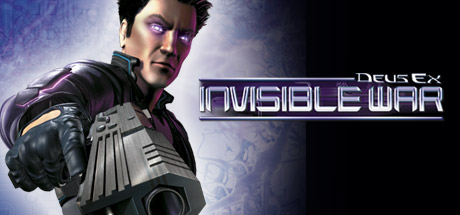
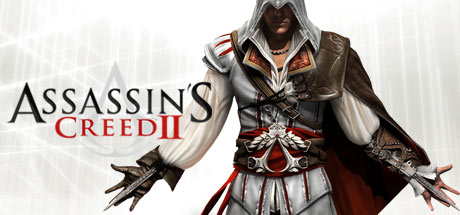
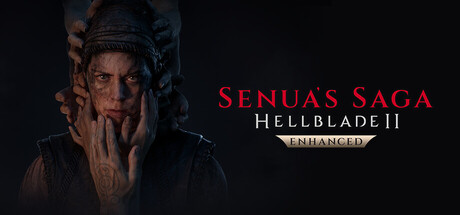

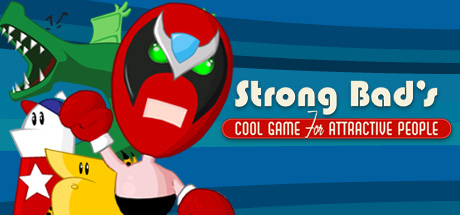

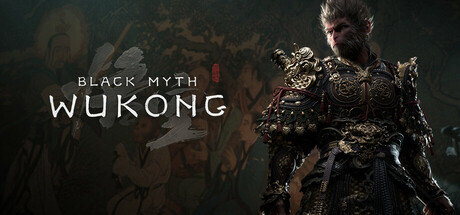
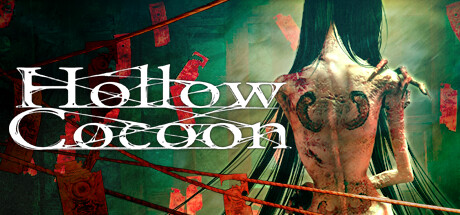

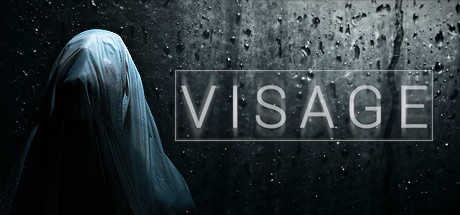
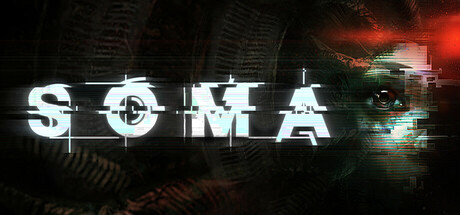

Match Dimensions Explained
❓Frequently Asked Questions
Why is BioShock listed as similar to Elfen Lied when it’s not about psychic girls?
It’s the shared 'Adult & Dark Seinen' tone and visceral body horror—like when you’re forced to watch a Little Sister get harvested, or see splicers melt into grotesque mutations—that echoes Lucy’s tragic transformation and the series’ unflinching violence. Plus, both use isolation, moral decay, and political thriller undercurrents (Rapture’s failed utopia vs. Diclonius suppression) to deepen their emotional gut-punches.
Is there a visual novel or anime-style game adaptation of Elfen Lied?
No official Elfen Lied game exists—but Disco Elysium nails that same heavy, emotionally raw vibe: think Geralt’s quiet despair in The Witcher 3 meets Disco’s internal monologues, where your own fractured psyche argues with you like Lucy’s split personalities. It’s not an adaptation, but its psychological depth and mature narrative pacing hit the same nerve.
How does Assassin’s Creed Director’s Cut compare to The Witcher 3 for Elfen Lied fans?
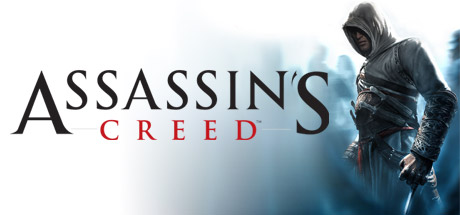
Assassin’s Creed leans harder into political thriller and historical dread—like the paranoia of being hunted in Acre’s alleys—but lacks the intimate character tragedy of Elfen Lied. The Witcher 3, especially with Ciri’s arc and scenes like the Bloody Baron’s cabin, delivers that devastating emotional narrative + adult/seinen weight much more directly, even if its fantasy setting feels broader.
What’s the best game like Elfen Lied if I want that oppressive, melancholic loneliness vibe?
Disco Elysium — hands down. That opening scene where you wake up amnesiac, hungover, and utterly alone on a rain-soaked floor? It mirrors Lucy’s dissociation and isolation perfectly. Its 'Emotional Narrative' dimension and player reviews praising its 'cruel irony' and existential weight make it the closest match for that slow-burn, soul-crushing melancholy.