
Mononoke The Movie: Chapter II - The Ashes of Rage
Sequel to Mononoke: Karakasa and second movie in the Mononoke movie trilogy.
The Medicine Seller returns as the Edo harem faces a new crisis, with family feuds, inner turmoil and fiery envy igniting the birth of a raging spirit.
(Source: Netflix)
📺Anime Details
📝Editorial Analysis
The air in the Edo harem doesn’t just grow still—it thickens, like ink dropped into cold water, as the Medicine Seller steps across the threshold. His sandals don’t creak. The lanterns flicker—not from wind, but from something unspooling beneath the floorboards: a slow, hot pulse of envy, grief, and suppressed rage coiling around pregnancy, royal bloodlines, and the brittle hierarchy of women who are both queens and prisoners. You don’t hear the mononoke before you feel its heat—like standing too close to an unbanked hearth in winter.

That’s the atmosphere: not jump-scares or gore, but pressure. Mononoke The Movie: Chapter II - The Ashes of Rage makes you hold your breath because every glance between court ladies carries the weight of class struggle made flesh, every whispered diagnosis hides political consequence, and every maternal body becomes contested territory—sacred, dangerous, weaponized. It’s horror that lives in silence between lines, in the way a silk sleeve tightens over a wrist, in how a single tear might be grief—or the first ember of a spirit born from suicide, from betrayal disguised as duty. This isn’t about defeating monsters. It’s about witnessing how systems—royal, medical, patriarchal—bake rage into the bones of those they confine, until the body itself ignites.
That emotional DNA thrums in BioShock™, where Rapture’s drowned Art Deco halls echo with the same suffocating political dread. Its description calls it a “Political Thriller, Adult & Dark Seinen”—exactly the register where Mononoke operates: adult, morally ambiguous, built on ideologies that curdle into violence. A player review nails it: “one of the most revolutionary games ever! genuinely changed the gaming world…”—because like the Medicine Seller dissecting a curse, BioShock forces you to confront how ideals (objectivism, utopianism) metastasize into horror when divorced from empathy. Both works treat ideology not as abstract theory, but as physiology: it reshapes lungs, twists wombs, drowns cities.
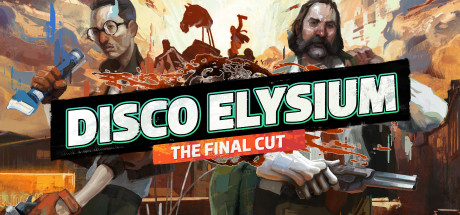
Then there’s Disco Elysium - The Final Cut, whose description names it “a groundbreaking role playing game” rooted in “Emotional Narrative” and “Political Thriller”—again, mirroring the anime’s fusion of psychological unraveling and systemic critique. A player review quotes: “Capital has the ability to subsume all critiques into itself. Even those who would critique capital end up reinforcing it instead.” That’s the chilling logic of the Edo harem: resistance is absorbed, motherhood is instrumentalized, rage is pathologized—until it burns. Like Harry DuBois stumbling through rain-slicked streets parsing his own fractured mind, the Medicine Seller parses trauma encoded in ritual, gesture, and silence. Both refuse catharsis; they offer autopsy.
And Beyond Good and Evil™, described as an “Emotional Narrative” thriller where you “expose a terrible government conspiracy” as “a young investigative reporter,” shares that same urgent, grounded vigilance. Jade doesn’t wield magic—she wields observation, loyalty, and quiet courage against state-sanctioned erasure. Her pig companion Pey’j isn’t comic relief; he’s kinship in a world that demands isolation. Just as the Medicine Seller moves among women whose suffering is rendered invisible by protocol and rank, Jade sees what propaganda obscures: bodies disappeared, truths buried under bureaucracy. A player review calls it “Crazyyy game!”—not for spectacle, but for how fiercely it centers care as resistance.
This isn’t for someone who wants clean victories or moral binaries. It’s for the viewer who watches a character trace the embroidery on a kimono and feels the tremor in their finger—not because of fear, but because they recognize the exhaustion of performing calm while fury simmers beneath skin. It’s for the player who replays a dialogue tree in Disco Elysium not to optimize stats, but to hear one more time how a broken system speaks through a broken person. It’s for those who understand that tragedy isn’t fate—it’s design. Who see politics not in speeches, but in the space between a servant’s bowed head and a lord’s unblinking stare. Who know rage doesn’t always roar—it smolders, waits, and when it rises, it wears the face of something ancient, wounded, and terrifyingly human.
🎮27 Games That Match the Vibe







Match Dimensions Explained
❓Frequently Asked Questions
Why does BioShock feel so much like Mononoke The Movie: Chapter II — especially that scene where the city collapses into chaos?
It’s all about the crumbling utopia vibe — Rapture’s descent into civil war mirrors the Ashes of Rage’s decaying shrine-city, both steeped in ideological collapse and visceral betrayal. BioShock nails it with its audio logs from doomed citizens, the Little Sisters’ haunting lullabies echoing Mononoke’s corrupted spirits, and that gut-punch moment when Fontaine reveals himself — just like the film’s twist where the 'noble' ash priest is orchestrating the rage epidemic.
Is there a Mononoke The Movie: Chapter II game adaptation in development?
No — there’s no official game adaptation, and none of the matches on this list are licensed tie-ins. That said, Disco Elysium captures the *spirit* best: its rain-soaked, morally rotting city of Revachol feels like Mononoke’s cursed forest made bureaucratic — think Detective Harrier’s fractured psyche mirroring Ashitaka’s curse, or the ‘Inland Empire’ skill checks echoing the film’s tense, dialogue-driven confrontations with ideological fanatics.
How does Beyond Good and Evil compare to Assassin’s Creed: Director’s Cut Edition for political thriller vibes?
Both drop you into a propaganda-saturated world under authoritarian control — but BG&E leans into emotional urgency (Jade’s desperate broadcasts, Pey’j’s quiet defiance) while AC’s early stealth-and-creed system feels more like cold, ritualized resistance. You’ll spot the parallels: Jade infiltrating the Alpha Section HQ mirrors Altaïr scaling Solomon’s Temple, but BG&E’s 20th Anniversary Edition adds voice acting and pacing that make its conspiracy feel *lived-in*, not just historical.
What’s the best game like Mononoke Chapter II if I want that slow-burn, melancholic dread with morally grey choices?
Disco Elysium — hands down. Its ‘Logic’ and ‘Empathy’ skill checks force you to sit with uncomfortable truths, just like Mononoke’s characters wrestling with rage, duty, and futility. When Harrier debates whether to burn evidence or expose the truth in the Harbor District, it hits the same weight as Ashitaka choosing between mercy and vengeance at the ash altar — and that 76 Metacritic score reflects how deeply it commits to emotional exhaustion over spectacle.