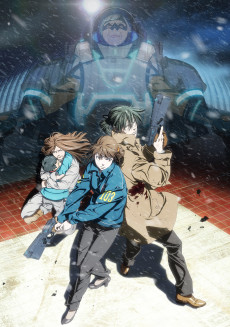
PSYCHO-PASS: Sinners of the System 1 - Crime and Punishment
In the winter of 2117, a runaway vehicle crashes into the Public Safety Bureau Building. The driver is identified as Izumi Yasaka, a psychological counselor at the Sanctuary, a Latent Criminal Isolation Facility in Aomori Prefecture. But right before her interrogation, Inspector Mika Shimotsuki and Enforcer Nobuchika Ginoza are tasked with promptly escorting Yasaka back to Aomori. What awaits them there is a false paradise.
(Source: Official Website, translated by Edo)
📺Anime Details
📝Editorial Analysis
The snow in Aomori doesn’t fall—it settles, heavy and silent, into the cracks between concrete and steel, muffling every footstep but never the hum of the Sibyl System’s distant surveillance drones. You feel it in the first frame of PSYCHO-PASS: Sinners of the System 1 - Crime and Punishment: Inspector Mika Shimotsuki standing rigid beside a shattered transport vehicle, breath pluming in the cold, her gloved hand resting not on her sidearm—but on the edge of Yasaka’s wheelchair, as if holding back something far more dangerous than a Latent Criminal. That hesitation—that weight—is the anime’s heartbeat.

This isn’t dystopia as spectacle. It’s dystopia as routine: the clinical sterility of Sanctuary’s white corridors, the way Yasaka’s voice never rises, even when describing systemic erasure; the way Ginoza’s posture tightens not at violence, but at bureaucratic contradiction. What makes it ache is how quietly it corrodes trust—not with riots or propaganda reels, but with laminated ID cards, mandatory biometric scans before entering staff cafeterias, and the soft, unblinking glow of Dominators calibrated to “non-lethal” settings… right up until they aren’t. You don’t fear the future here—you recognize its paperwork. You think about consent disguised as care, about justice that measures your pulse before you speak, about how easily a “false paradise” becomes indistinguishable from home.
That same suffocating intimacy lives in BioShock™, where Rapture’s Art Deco decay isn’t backdrop—it’s architecture of ideology. Like Sanctuary, Rapture promises salvation through control: “No gods or kings—only man.” And like Yasaka’s counseling sessions, Fontaine’s “free medical care” or Ryan’s “objectivist utopia” are delivered with calm, practiced sincerity—until the plasmids start burning and the Little Sisters whisper “Would you kindly?” The player review calls it “revolutionary”—and it is, because it forces you to live inside the lie, just as Mika and Ginoza do in Aomori, breathing recycled air while the system logs their stress levels in real time.
Then there’s Deus Ex: Game of the Year Edition, where the year 2052 isn’t marked by war—but by infrastructure. By logos flickering on subway ads, by corporate security protocols that override police jurisdiction, by the way your character opens a menu mid-conversation and chooses whether to hack a door or negotiate with a guard who’s also just trying to pay rent. The player review notes it “gives you all options with one hit of the esc key”—exactly how Crime and Punishment operates narratively: no monologues, no exposition dumps—just Mika’s finger hovering over her Dominator’s trigger, Ginoza’s gaze lingering on a sealed wing of Sanctuary, Yasaka’s silence stretching just half a second too long. Both ask the same question, without words: When the system is the law, what does obedience cost your spine?
And Beyond Good and Evil™, though lighter in palette, shares that same investigative dread—the kind where your reporter’s notebook fills not with quotes, but with gaps: missing files, censored broadcasts, the way Jade’s camera glitches just as she zooms in on a government satellite dish. Her pig companion Pey’j doesn’t fight—he listens, translating coded chatter from alleyway radios, much like Ginoza deciphers micro-expressions in Yasaka’s therapy logs. The player review says “Crazyyy game!”—but the craziness isn’t in the action. It’s in realizing the conspiracy isn’t hidden in vaults. It’s in the school curriculum. In the public transit schedule. In the way the news anchor smiles while announcing new curfew extensions.
These aren’t for fans of “cool futures.” They’re for people who flinch when their phone lights up with an unsolicited wellness alert. For those who’ve ever rehearsed a sentence in their head before sending a work email, weighing tone against optics. For viewers who watch Mika adjust her collar after being reprimanded—not because she’s nervous, but because her HR file just updated. For players who pause BioShock not to reload, but to reread a diary entry about a mother who surrendered her child to “state-regulated emotional optimization.” This is the shared nerve: the horror of being seen, not as a person, but as data waiting to be normalized. Not screamed at—but filed. Not hunted—but pre-emptively stabilized. That chill in Aomori’s snow? It’s the same one you feel when Deus Ex’s HUD flashes “Threat Assessment: Low”—right before the turrets spin toward you. Quiet. Inevitable. Personal.
🎮8 Games That Match the Vibe






Match Dimensions Explained
❓Frequently Asked Questions
Why is BioShock considered the closest match to PSYCHO-PASS: Sinners of the System 1 despite no direct adaptation?
Because both dive deep into dystopian systems that weaponize ideology—BioShock’s Rapture with its Objectivist collapse mirrors the Sibyl System’s 'order through pre-crime' logic, especially in scenes where you confront Andrew Ryan’s recordings just like Shinya Kogami grapples with systemic hypocrisy. The game’s audio logs and environmental storytelling (like the Little Sisters’ tragic role) echo the film’s morally gray interrogations and haunting character moments—Kogami’s quiet fury, Mika Shimotsuki’s bureaucratic tension—all wrapped in that same adult, dark seinen weight.
Is there a PSYCHO-PASS video game adaptation?
No official PSYCHO-PASS game exists—not on consoles, PC, or mobile. So fans lean hard into tonal matches like Deus Ex: Game of the Year Edition, where JC Denton’s moral choices, augmented conspiracies, and neon-lit corporate dystopia (think Locus Solus’ sterile labs vs. Tokyo’s Sibyl-controlled streets) hit that same political thriller nerve. Even the UI design—cold, clinical, data-heavy—feels ripped from the film’s Dominator interfaces.
How does Beyond Good and Evil compare to Deus Ex for PSYCHO-PASS vibes?
Beyond Good and Evil nails the investigative reporter angle—Jade’s undercover work exposing the Alpha Section’s lies mirrors Mika’s dogged truth-seeking in Sinners of the System, right down to her pig sidekick Pey’j acting like a grounded, loyal foil (à la Nobuchika Ginoza). But Deus Ex leans harder into the cyberpunk bureaucracy and body-mod politics—JC Denton literally *becomes* the system he questions, which lands closer to Kogami’s arc than Jade’s more hopeful, action-adjacent rebellion.
What’s the best game like PSYCHO-PASS: Sinners of the System 1 if I want that tense, rain-slicked, morally exhausted vibe?
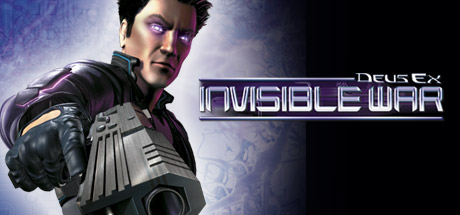
Deus Ex: Invisible War—it’s got that same gritty, low-light neon noir aesthetic (think the film’s opening chase through foggy docks), plus characters wrestling with compromised loyalties in a fractured world recovering from collapse. The way Alex D questions shadowy factions while juggling augmentations feels like watching Kogami navigate Sibyl’s shifting rules—both are tired, sharp, and never quite sure who’s holding the real levers of power.