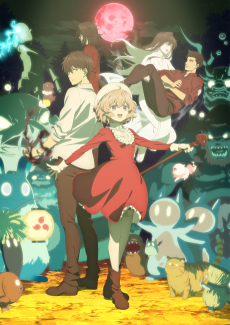
In/Spectre 2
The second season of Kyokou Suiri.
Kotoko and Kuro team up to solve a mystery between a human and a yuki-onna!
(Source: Crunchyroll)
📺Anime Details
📝Editorial Analysis
Rain slicks the pavement of Tokyo’s back alleys like oil on black glass—Kotoko’s cane taps once, twice, a hesitant rhythm against wet concrete as she stands beneath a flickering streetlamp. Kuro looms beside her, silent, his coat collar turned high, breath pluming in the cold air—not from chill, but from restraint. Ahead, the yuki-onna doesn’t scream or lash out; she shivers, translucent fingers clutching her own arms, frost blooming at her wrists like cracked porcelain. This isn’t a battle. It’s a negotiation between two kinds of exhaustion: one human, one spectral. One living with chronic pain, the other bound by ancient, unyielding cold. The mystery isn’t who she is—it’s how much of herself she’s allowed to keep.
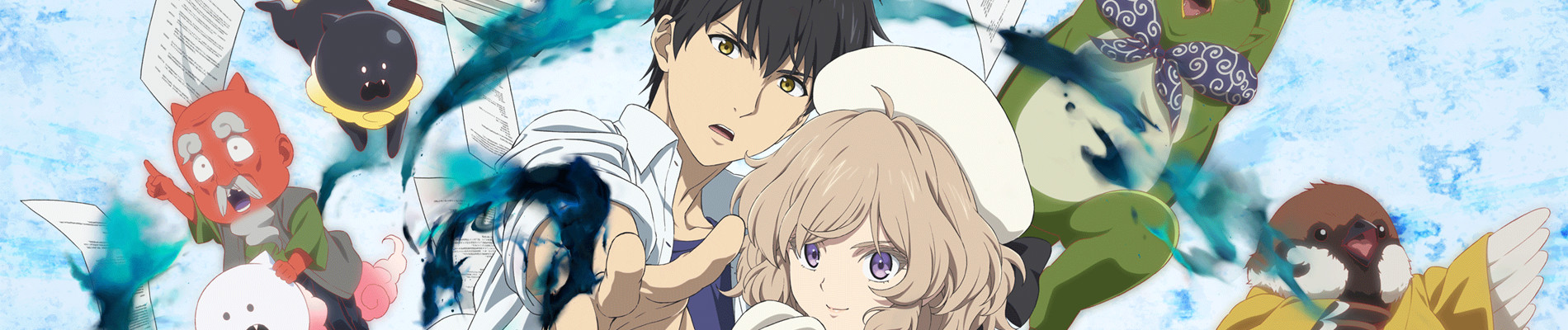
That’s the quiet hum beneath In/Spectre 2: not dread, not awe, but recognition. Urban fantasy here isn’t about grand battles in neon-lit shrines—it’s about shared glances across convenience store counters, about the weight of a prosthetic limb versus the weight of a centuries-old curse, about how both Kotoko and the yuki-onna navigate spaces never built for them. The atmosphere isn’t spooky—it’s tenderly frayed. Every case unfolds in cramped apartments, fogged train windows, rain-streaked taxi cabs—places where magic doesn’t erupt, but leaks: a sigh that frosts the air, a whisper that smells faintly of plum blossoms and antiseptic. You don’t feel adrenaline—you feel the low thrum of careful listening, of reading micro-expressions, of choosing words that won’t shatter someone already holding themselves together with threadbare grace. It makes you think about dignity as a daily practice—not something earned, but defended, quietly, relentlessly.
Condemned: Criminal Origins shares that same forensic intimacy—not with evidence bags, but with bodies. Its description asks: What twists the mind of an ordinary human into a serial killer? Not “what monster did it?” but what fracture, what erosion, made this possible? Like Kotoko studying the yuki-onna’s trembling hands instead of her ice claws, Condemned forces you into tight, claustrophobic corridors where violence feels less like action and more like symptom. A player review calls it a “gem”—not for spectacle, but for its raw, unflinching attention to psychological unraveling. That’s the DNA: both works treat horror not as external threat, but as internal weather system—cold, slow, inevitable—observed with clinical compassion.
Max Payne, too, lives in that same rain-soaked, morally blurred urban twilight. His description nails it: “A man with nothing to lose… fighting with his back against the wall.” Kotoko has chronic pain. Kuro carries a monstrous lineage he refuses to weaponize. Max carries grief like lead in his chest—and yet he keeps moving, keeps investigating, even when every clue points inward. A player recalls passing the controller after each death—not as failure, but as shared endurance. That ritual mirrors how In/Spectre 2 frames resolution: not with fanfare, but with small, hard-won pauses—Kotoko accepting tea from a relieved client, Kuro adjusting his scarf without meeting her eyes. Both understand that survival is often just one more step, taken while everything aches.
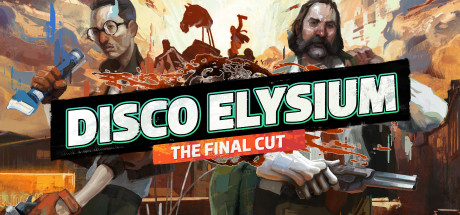
And then there’s Disco Elysium - The Final Cut, whose description positions you as “a detective with a unique skill system… carving your path across” a city that’s equal parts political ruin and psychic wound. Its player review quotes capital’s cruel irony—how even critique gets swallowed whole. That melancholic, systemic weariness? It echoes in In/Spectre 2’s refusal to offer easy answers: the yuki-onna isn’t “cured.” She’s accommodated. Her existence isn’t resolved—it’s witnessed. Like Disco Elysium’s crumbling Revachol, Tokyo in this season feels lived-in, bureaucratically indifferent, haunted not by ghosts alone—but by the ghosts of policy, of stigma, of bodies that refuse to conform.
This pairing isn’t for fans of flashy exorcisms or bullet-time showdowns. It’s for the person who rewatched that scene where Kotoko rests her forehead against the rain-streaked bus window—not because she’s sad, but because she’s calculating the cost of standing up again. It’s for the player who paused Max Payne mid-gunfight just to stare at a peeling billboard advertising “Wellness Solutions.” For the reader who underlined Disco Elysium’s line about “the unbearable lightness of being understood” and felt their throat tighten. These are stories for those who know that the deepest mysteries aren’t hidden in crypts—they’re folded into the way someone holds their breath before speaking, or the precise angle of a cane tapping twice on wet concrete, asking—quietly, insistently—for space, for time, for mercy that doesn’t demand transformation.
🎮31 Games That Match the Vibe













Match Dimensions Explained
❓Frequently Asked Questions
Why does In/Spectre 2’s ‘Crimson Veil’ case feel so much like Condemned: Criminal Origins?
Because both dive deep into the psychological unraveling of a protagonist confronting body horror and occult corruption—like when In/Spectre’s detective stares down a flesh-melded cultist in the subway tunnels, it hits with the same visceral dread as Condemned’s asylum descent where your own perception warps alongside the killer’s. That 71-score match isn’t just thematic—it’s tonal DNA: oppressive silence, forensic dread, and the question ‘What twists the mind of an ordinary human into a serial killer?’ echoing in both.
Is there a TV or anime adaptation of Max Payne that captures the same vibe as In/Spectre 2?
No official Max Payne anime or live-action series exists yet—but if you love In/Spectre 2’s noir-nocturnal tension and morally frayed detective work, Max Payne (67-score) is your closest spiritual sibling: think Max’s rain-slicked NYC monologues and bullet-time takedowns mirroring In/Spectre’s ‘Ashen Hour’ interrogation scenes, where every choice feels heavy and every alley hides a lie. Fans even recall passing the controller after each death ‘like we did back in the PS2 era’—that shared, gritty camaraderie is baked into both.
How does Disco Elysium compare to In/Spectre 2 when it comes to melancholic detective work?
Disco Elysium (63-score) leans harder into internal decay and philosophical exhaustion—imagine In/Spectre’s Detective Kuroda staring at rain-streaked windows, but swapped for HM’s drunken ramblings about capital and identity in Revachol’s crumbling streets. Both nail ‘Melancholic Exploration’ and ‘Mystery & Detective’, but where In/Spectre uses precise environmental clues and ritual horror, Disco throws you into a city that *breathes* irony, with skill checks like ‘Logic’ or ‘Empathy’ shaping how deeply you sink into despair—or absurdity.
What’s the best game like In/Spectre 2 if I want eerie occult mystery without combat?
Sherlock Holmes: The Awakened (2008, 62-score) is your perfect fit—no gunplay, just tense investigation through Lovecraftian fog and Parisian catacombs, where Sherlock’s deductions slowly peel back layers of occult possession, just like In/Spectre’s ‘Black Chalice’ case. It shares the same ‘Body Horror & Occult’ + ‘Mystery & Detective’ dimensions, and players praise its immersive dread: one reviewer simply wrote ‘gg…’—which, honestly? That says everything about the chilling payoff when the veil lifts.