
Ron Kamonohashi’s Forbidden Deductions Season 2
📺Anime Details
📝Editorial Analysis
Rain slicks the pavement of Neo-Kobe like oil on black glass. Ron Kamonohashi stands beneath a flickering neon sign—its letters half-burnt, casting jagged shadows across his face—and watches a single cigarette glow in the dark. He doesn’t inhale. He just holds it, ash trembling, while the distant wail of a police siren rises and falls like a breath held too long. That silence between the sirens—that’s where Season 2 lives. Not in the chase, not in the arrest, but in the hollow after the deduction lands: the weight of a truth that solves nothing, only deepens the crack.
This isn’t a show about brilliance triumphant. It’s about melancholic exploration: walking city blocks soaked in moral ambiguity, parsing lies that wear the shape of duty, tracing evidence that leads back to institutions you’re sworn to serve. The urban decay isn’t backdrop—it’s texture, pressure, atmosphere thick enough to taste. You feel the exhaustion in Ron’s posture when he leans against a rain-streaked precinct window, the way his amnesia isn’t a plot device but a persistent absence, a quiet hum beneath every case—like standing in a room where someone used to be, and no one says their name aloud. The criminal organization isn’t cartoonish; it’s woven into infrastructure—traffic cams, payroll systems, pension funds—making justice feel less like victory and more like triage. You don’t walk away from an episode energized. You walk away quieter, unsettled by how cleanly the line between cop and complicit blurs in low light.
That same resonance pulses through Batman: Arkham Asylum Game of the Year Edition, where Gotham isn’t a stage for heroics but a neon noir asylum—literally and metaphorically—where every corridor echoes with psychological residue. Like Ron, Batman deduces, but the revelations rarely liberate; they deepen the rot. The game’s melancholic exploration mirrors the anime’s pacing: long stretches of brooding observation, forensic stillness before violence erupts—not as catharsis, but as consequence. You don’t conquer Arkham—you survive its gravity.
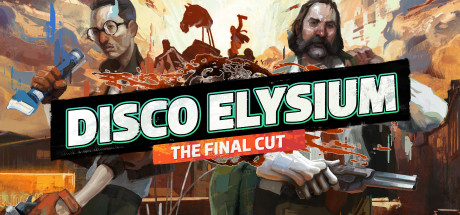
Then there’s Disco Elysium - The Final Cut, where the city of Revachol subsumes all critiques into itself, just as Neo-Kobe absorbs dissent into bureaucracy, procedure, and polite silence. The player review nails it: “Even those who would critique capital end up reinforcing it instead.” Ron’s entire arc in Season 2 orbits that paradox—he dismantles lies with surgical precision, yet each solved case tightens the noose around systemic inertia. His skill system isn’t combat stats—it’s fractured cognition, memory gaps, ideological tics—all mirrored in Ron’s unreliable recall and the show’s refusal to let him “recover” neatly into certainty. Both works treat deduction not as enlightenment, but as excavation: you dig, and what surfaces isn’t clarity, but sediment layers of compromise.
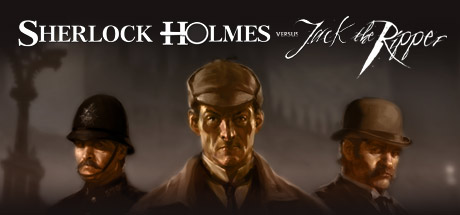
Sherlock Holmes versus Jack the Ripper shares that tactical warfare dimension—not with guns, but with time and testimony. Its horror isn’t supernatural; it’s institutional failure made flesh in Whitechapel’s fog. Like Ron’s cases, the Ripper investigation forces Holmes to navigate compromised witnesses, silenced victims, and authorities who’d rather close files than confront patterns. The press calling it “the most horrifying of the series” fits Season 2’s tone: the real terror isn’t the killer—it’s realizing how many doors stay locked by design, and how often the key is buried under paperwork stamped “routine.”
Who lives in this overlap? Not the fan who wants tidy resolutions or power fantasies. It’s the person who pauses mid-episode to stare out their own window at streetlights reflecting off wet pavement, who replays a dialogue exchange three times because the subtext itched. It’s the player who lingers in Disco Elysium’s rain-soaked alleys not to win, but to hear the city breathe its contradictions—or who walks Arkham’s corridors long after the Riddler’s riddles are solved, just to feel the weight of the walls. They don’t seek answers. They seek resonance: that shiver when fiction names something unspoken in your own bones—the quiet dread of being competent inside a broken machine, the exhaustion of caring too much, and the stubborn, aching dignity of lighting another cigarette anyway.
🎮44 Games That Match the Vibe









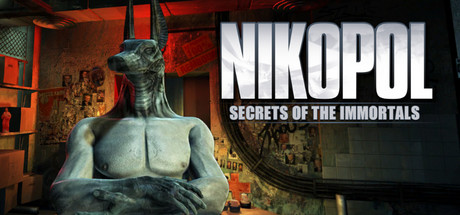


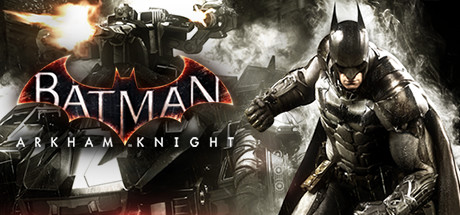







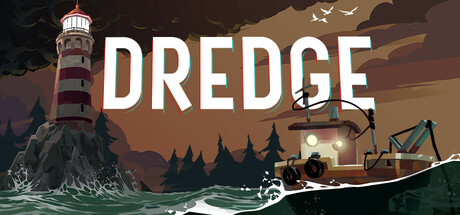


Match Dimensions Explained
❓Frequently Asked Questions
Why does Ron Kamonohashi’s Forbidden Deductions S2 feel so similar to Disco Elysium?
It’s the melancholic exploration and layered detective work—both hinge on piecing together fractured truths while wrestling with personal demons. Like Disco Elysium’s Detective Harrier (and his skill-based internal monologues), Ron’s deduction scenes mirror that same introspective, almost literary unraveling of motive and memory—especially in episodes where he reconstructs crime scenes alone, echoing Disco’s ‘Logic’ or ‘Empathy’ skill checks in tense, dialogue-driven moments.
Is there a Sherlock Holmes game that captures Ron Kamonohashi’s stylish, neon-noir vibe?
Absolutely—Sherlock Holmes versus Jack the Ripper nails that exact aesthetic: fog-draped Whitechapel streets lit by flickering gas lamps and rain-slicked cobblestones, paired with slow-burn deduction mechanics. Its moody atmosphere, tactical clue reconstruction (like Ron’s ‘Deduction Board’ moments), and morally ambiguous suspects—especially in the final confrontation with the Ripper—echo S2’s blend of gothic tension and razor-sharp logic.
What’s the best game like Ron Kamonohashi if I want that quiet, late-night ‘melancholic exploration’ vibe?
Batman: Arkham Asylum Game of the Year Edition is your perfect match—especially wandering the abandoned medical wing at night, listening to Joker’s distorted broadcasts while scanning for hidden clues. The dim lighting, haunting score, and isolation as you piece together asylum secrets (like Ron analyzing blood spatter patterns in Episode 7) deliver that same emotionally heavy, contemplative detective rhythm.
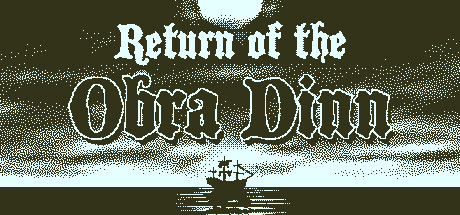
How accurate is Return of the Obra Dinn compared to Ron Kamonohashi’s deduction style?
Surprisingly spot-on—both rely on forensic observation and temporal reconstruction, not action. In Obra Dinn, you freeze time mid-scene to map relationships and causes of death (like Ron’s ‘flashback deduction’ sequences), using visual logic instead of dialogue trees. The ‘aha!’ moment when you deduce the steward’s fate from a dropped pocket watch mirrors Ron’s iconic ‘I see it all now’ reveals—just without the monologuing.