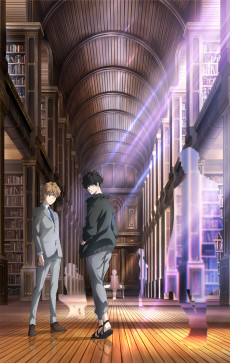
Ron Kamonohashi's Forbidden Deductions
Ron Kamonohashi was once regarded as a genius at the top detective training academy. But after a fatal mistake, he was expelled and forbidden to become a detective. Years later, police officer Totomaru Isshiki knocks on Ron’s door seeking help on a serial murder case. He finds Ron, now a messy-haired recluse, who agrees. Together, this mismatched detective team begins solving their first mystery!
(Source: Crunchyroll)
📺Anime Details
📝Editorial Analysis
The smell of stale coffee and damp laundry hangs in the air as Totomaru Isshiki’s knuckles rap—three sharp, uncertain knocks—on Ron Kamonohashi’s apartment door. The peephole darkens. A pause. Then the chain rattles, slow and reluctant, like something rusted shut for years. When the door cracks open, it’s not just Ron’s messy hair or unshaven jaw that hits you—it’s the weight in his silence, the way his eyes don’t meet Totomaru’s but flick sideways, as if already calculating the cost of opening up again.
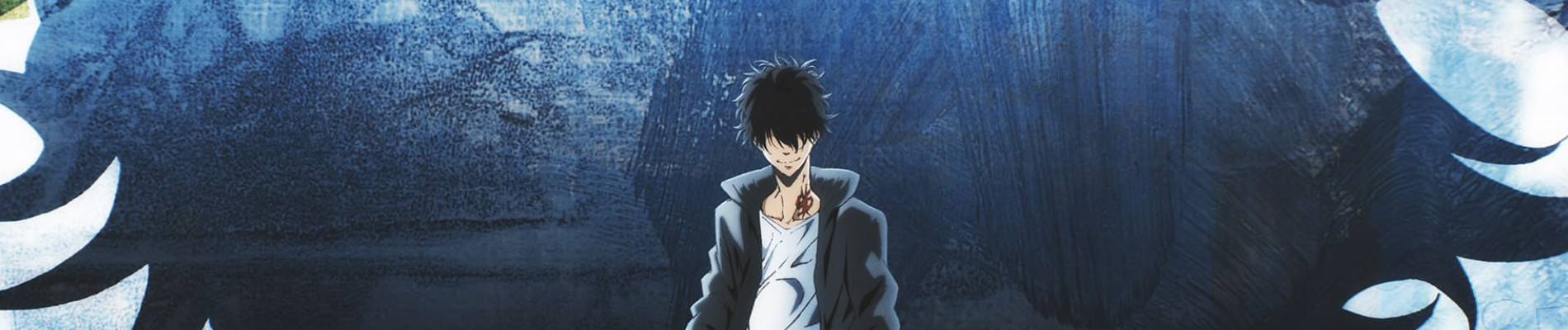
That moment isn’t about deduction. It’s about re-entry: the terrifying, fragile act of stepping back into a world that expelled you—not for incompetence, but for failure so catastrophic it rewrote your identity. Ron Kamonohashi's Forbidden Deductions doesn’t pulse with adrenaline or flash with forensic flair. Its atmosphere is thick with melancholic exploration—not of a city map, but of internal exile. This isn’t noir stylized as glamour; it’s noir as lived reality: fluorescent-lit stairwells, rain-slicked sidewalks at 3 a.m., the quiet hum of a refrigerator in an apartment where time has pooled like stagnant water. You feel the exhaustion of being brilliant and broken, the ache of competence buried under shame, the quiet dignity in showing up—even when you’re not sure you’re allowed to.
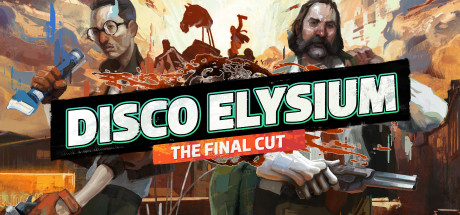
That emotional DNA pulses strongest in games where the detective isn’t a hero, but a wound walking upright. Disco Elysium - The Final Cut, with its Neon Noir and Melancholic Exploration, lands with the same gut-level resonance. Its description calls it “a groundbreaking role playing game” where you’re a detective whose skill system is less about solving crimes and more about holding yourself together while interrogating a crumbling world—and yourself. The player review nails it: “Capital has the ability to subsume all critiques into itself.” That’s Ron’s expulsion in code—systems that punish error so absolutely they erase the person behind the mistake. Both Ron and Disco Elysium’s Harry Du Bois navigate worlds where logic is haunted by trauma, where every clue is also a trigger, and every deduction risks reopening old fractures.
Then there’s Max Payne, described as “a man with nothing to lose in the violent, cold urban night… a fugitive undercover cop framed for murder, hunted by cops and the mob.” That framing—framed, hunted, with his back against the wall—mirrors Ron’s social banishment. He wasn’t arrested, but he was sentenced: to obscurity, to self-erasure. The player review recalls passing the controller after death—a ritual of shared vulnerability. Ron and Max both operate in spaces where trust is a liability, where the past isn’t backstory—it’s ballast dragging them deeper into the night. Their investigations aren’t clean; they’re acts of survival disguised as procedure.
And Max Payne 2: The Fall of Max Payne, labeled a “violent, film-noir love story” with “dark, tragic and intense” revelations, deepens the parallel. Its description emphasizes shocking twists and revelations—not just plot turns, but identity ruptures. Like Ron learning how deeply his expulsion was manipulated, or how his mentor’s shadow still dictates his movements. The player review praises how it “successfully improving on many of the original's key mechanics”—a quiet echo of Ron’s own arc: not redemption as erasure, but refinement through damage. His deductions sharpen because he’s been forced to live in the margins, to see what polished academy graduates overlook.
None of this connects to Crash Time 2, despite its surface-level “Mystery & Detective” tag—the player review bluntly dismisses it as “awful controls… janky physics… factually BAD controls.” Its energy is frantic, unmoored, lacking the grounded weight that defines Ron’s world. Nor does Assassin's Creed™: Director's Cut Edition, whose review admits dated textures and whose description leans into spectacle over interiority—its melancholy is aesthetic, not existential.
These pairings speak to someone who watches a character stare out a rain-streaked window—not waiting for a call, but rehearsing how to answer one—and feels their chest tighten. Someone who plays a game not to win, but to endure. They’re drawn to stories where the real mystery isn’t who did it—but how much of yourself you can afford to remember while trying to solve it. They don’t want heroes. They want people who still breathe, even when the system says they should be gone.
🎮38 Games That Match the Vibe




Match Dimensions Explained
❓Frequently Asked Questions
Why does Ron Kamonohashi feel so similar to Disco Elysium even though one’s anime and the other’s a detective RPG?
Both hinge on a broken, brilliant investigator wrestling with trauma while piecing together truth in a morally rotting city—Ron’s deductive 'flashbacks' mirror Disco Elysium’s skill-check-driven epiphanies (like Logic or Empathy revealing hidden motives in a rain-soaked alley). And just like Harry Du Bois muttering existential rants to his own reflection in a cracked mirror, Ron’s internal monologues during deductions carry that same melancholic, self-lacerating weight you get wandering through Revachol’s ruins.
Is there an official anime or game adaptation of Ron Kamonohashi's Forbidden Deductions?
No official game adaptation exists—but if you're craving that same neon-noir mystery vibe *in gameplay*, Disco Elysium (84) nails it with its dialogue-driven investigations and psychological depth, while Max Payne 2 (82) delivers the tragic, cinematic detective arc with moody voiceover and slow-mo gunfights echoing Ron’s dramatic courtroom reveals. Neither is a direct adaptation, but both hit the same emotional and stylistic notes.
How does Crash Time 2 compare to Max Payne for detective-style storytelling?
Crash Time 2 isn’t really about detective storytelling at all—it’s an arcade racing sim where you chase suspects on the Autobahn with janky physics and zero narrative depth (player review calls it 'awful controls, almost no structure'). Max Payne (82) and Max Payne 2 (82), by contrast, are tightly scripted noir thrillers dripping with voiceover, betrayal, and tragic romance—think Max’s grief-stricken flashbacks versus Crash Time 2’s radio chatter about traffic violations.
What’s the best game like Ron Kamonohashi if I want that brooding, rain-slicked detective mood with heavy atmosphere?
Disco Elysium — The Final Cut (84) is your top pick: it’s drenched in melancholic exploration and neon-noir dread, with every conversation in Martinaise feeling like a scene from Ron’s rain-lit rooftop deductions—just swap deduction boards for skill checks like ‘Perception’ spotting a lie in a pawn shop owner’s trembling hands. Assassin’s Creed Director’s Cut (82) also fits the moody, atmospheric bill, though its ancient Jerusalem leans more historical than modern noir.