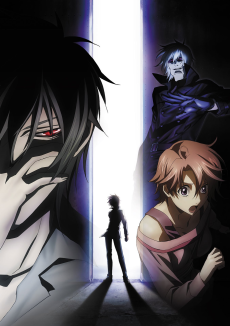
Psychic Detective Yakumo
📺Anime Details
📝Editorial Analysis
The rain in Psychic Detective Yakumo doesn’t fall—it settles, thick and cold, into the collar of Yakumo’s coat as he stands before a shrine gate at dusk, his left eye—pale, unblinking, ghost-touched—fixed on the flicker of a paper lantern swaying just beyond sight. No scream, no jump-scare: just the slow, wet weight of a presence that’s already inside the frame, already inside him. That moment isn’t about solving a crime. It’s about bearing witness—not to a ghost’s rage, but to its exhaustion. Its quiet, unrelenting grief.
What makes Psychic Detective Yakumo ache like this isn’t its ghosts—it’s how it treats them as witnesses, not threats. The horror isn’t supernatural spectacle; it’s the unbearable intimacy of memory made visible, of trauma folded into silence until it leaks through floorboards, static on a phone line, the hollow echo in a twin’s voice after the other is gone. You don’t feel fear—you feel recognition. Recognition of how tragedy calcifies into routine: police reports filed, college lectures attended, tea poured for two cups even when only one remains. It’s melancholic exploration: walking the same rainy streets, retracing the same emotional fault lines, not to find answers—but to hold space where answers fail. This isn’t shoujo romance as wish-fulfillment; it’s romance as quiet endurance—two people learning how to stand beside each other while carrying separate, invisible weights.
That emotional DNA pulses strongest in Batman: Arkham Asylum Game of the Year Edition, where the asylum isn’t just a setting—it’s a psychic wound made brick and steel. Like Yakumo, Batman doesn’t conquer the dark; he navigates it, listening to whispers in ventilation shafts, reading trauma in scrawled graffiti, feeling the city’s despair seep into his bones. The Neon Noir palette—cold blues bleeding into sickly greens—mirrors Yakumo’s world: not stylized glamour, but the glow of fluorescent lights in empty corridors, the unnatural sheen on rain-slicked pavement where something shouldn’t be standing. Both ask you to move slowly, to pause, to let dread accumulate—not through jump scares, but through the sheer weight of what’s been buried.
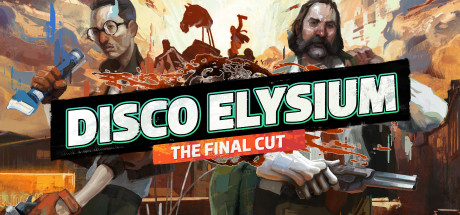
Then there’s Disco Elysium - The Final Cut, where every dialogue choice cracks open another layer of self-doubt, addiction, or inherited sorrow. The description calls it “a groundbreaking role playing game” where you’re “a detective with a unique skill system”—but what resonates isn’t the dice rolls; it’s how the game forces you to inhabit collapse. Yakumo’s disability isn’t a plot device—it’s a lived reality that shapes perception, pacing, trust. So is Harry’s fractured psyche. Player reviews cite Capital’s cruel irony—that even critique reinforces the system—but Yakumo lives that irony too: he solves cases for the police, yet the institution rarely sees the ghosts he sees, let alone believes them. Both works treat Romance & Shoujo not as sweetness, but as fragile, hard-won tenderness between people who know how easily love can curdle into loss.
And Amnesia™: Memories—its title alone echoes Yakumo’s core tension: memory as both evidence and erasure. The game’s Emotional Narrative hinges on fragmented recollection, identity suspended between what’s known and what’s repressed. Like Yakumo’s twin bond—a connection severed yet vibrating with residual resonance—Amnesia™: Memories builds intimacy through gaps, not exposition. Romance here isn’t confession; it’s the trembling hand reaching across silence, the hesitation before asking “Do you remember me?”—a question Yakumo asks himself daily, in different forms.
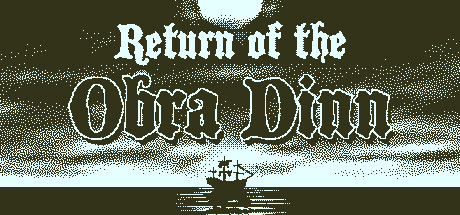
Who loves these pairings? Not just fans of “ghost stories” or “detective plots.” It’s the person who lingers on closing credits, replaying a character’s final line—not for plot clarity, but for the texture of their exhaustion. It’s the reader who underlines passages about rain because they’ve felt that damp chill in their own chest. It’s the player who spends twenty minutes staring at a cracked wall in Return of the Obra Dinn, not hunting clues, but feeling the weight of the ship’s last voyage settle in their ribs. They don’t want resolution—they want resonance. They seek stories where the most terrifying thing isn’t what haunts the shadows, but how deeply, quietly, we all carry our own unfinished elegies.
🎮64 Games That Match the Vibe





















Match Dimensions Explained
❓Frequently Asked Questions
Why does Disco Elysium keep coming up when I search for games like Psychic Detective Yakumo?
Because both lean hard into psychological depth and fragmented identity—Yakumo’s psychic visions mirror Disco Elysium’s internal monologues where your own skill checks (like Logic or Empathy) literally argue with you in real time. The rain-slicked, melancholic streets of Revachol feel like a darker, more politically charged version of Yakumo’s Tokyo, especially during scenes where you reconstruct trauma through unreliable memory—just like Yakumo piecing together victims’ final moments.
Is there an anime or manga adaptation of Return of the Obra Dinn?
No—Return of the Obra Dinn has no official anime or manga adaptation. It’s deliberately self-contained: its entire narrative unfolds through silent, monochrome vignettes aboard the ghost ship Obra Dinn, where you deduce fates using only visual clues and timing—no voice acting, no exposition dumps. That stark, puzzle-driven minimalism is why fans compare it to Yakumo’s ‘cold case’ episodes, but it stands alone as pure interactive deduction.
How does Amnesia™: Memories compare to Psychic Detective Yakumo in terms of romance and mystery?
Amnesia™: Memories blends romance and mystery more directly than Yakumo—you play as a girl who loses her memory and rebuilds her identity through relationships with five distinct love interests (like Ukyo or Shin), each tied to different plot threads. Yakumo focuses on solving murders *through* psychic empathy, while Amnesia uses emotional bonds as *clues*: choosing who to trust reshapes both the romance path and the central mystery, much like how Yakumo’s connections to victims influence his visions.
What’s the best game like Psychic Detective Yakumo if I want that slow-burn, emotionally heavy vibe with noir lighting?
Batman: Arkham Asylum Game of the Year Edition nails that vibe—especially in the flooded medical facility or the decaying asylum corridors lit by flickering fluorescents and emergency reds. Like Yakumo’s quiet, rain-drenched stakeouts, Batman’s exploration feels isolating and melancholic; every encounter with Scarecrow’s fear toxin hallucinations mirrors Yakumo’s psychic flashbacks, grounding supernatural dread in raw human psychology instead of spectacle.