
Clannad
Tomoya is a bitter, third year high school student. His mother passed away, causing his father to resort to alcohol and gambling. Tomoya is distant with his father and has become a delinquent in the years since his mother's death. Walking to school, he meets Nagisa Furukawa who is a year older but is repeating the grade due to illness. She is alone, as most of her friends have moved on. The two begin hanging out, and as time goes by, Tomoya finds his life shifting in a new direction.
(Source: Sentai Filmworks)
📺Anime Details
📝Editorial Analysis
Rain slicks the pavement outside Hikarizaka High, and Tomoya kicks a crushed soda can—clatter-screech—as Nagisa stands beneath the awning, shivering in her oversized sweater, breath fogging the cold air. She’s waiting. Not for him, not exactly—but for something to begin. Her hands are pale, her voice quiet when she says, “I’m glad you came.” That moment isn’t loud or dramatic. It’s just two people, slightly off-balance, sharing space while the world keeps turning. No music swells. No flashback cuts in. Just the weight of waiting, of holding on, of not giving up yet.
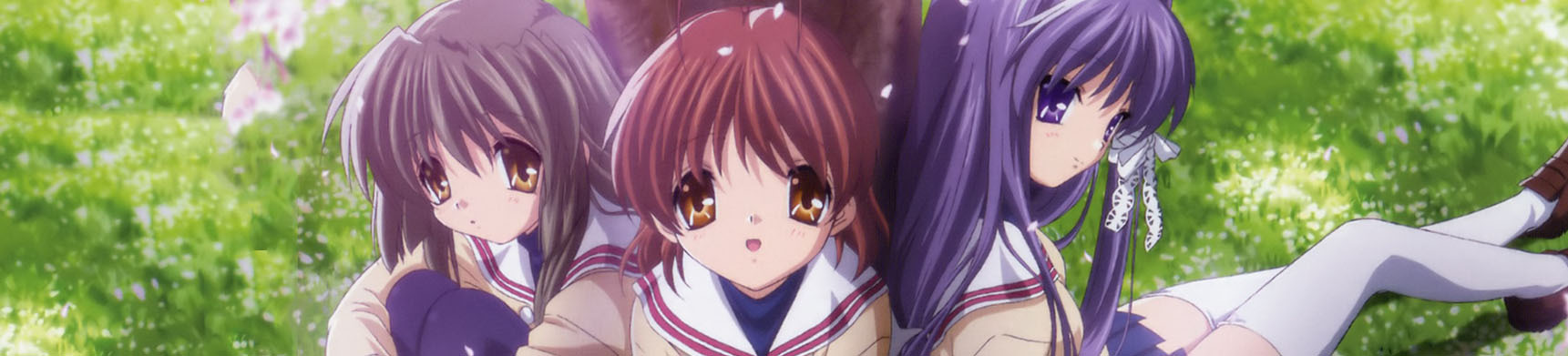
That’s the atmosphere: quiet accumulation. Clannad doesn’t hit you with tragedy—it settles it into your bones, like damp in old wood. It makes you feel the ache of unspoken words between father and son, the exhaustion of caring for someone who’s fading, the fragile warmth of shared tea after school. It’s not about grand gestures—it’s about how a hallway feels different when someone starts walking beside you, how a clubroom smells like dust and hope and leftover bento boxes. You think about time—not as plot device, but as texture: how years compress into a glance, how grief doesn’t vanish, but gets woven into the fabric of ordinary days. It’s tender, heavy, patient—like holding your breath while someone else learns how to breathe again.
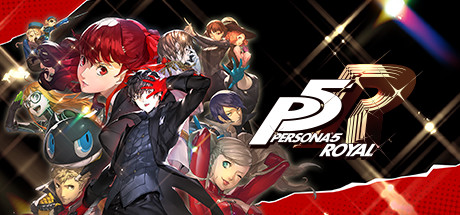
Among the games listed, Persona 5 Royal resonates most deeply—not because of masks or heists, but because of its daily rhythm: “Explore Tokyo, build relations,” and that player review praising “the seamless transition between daily life…” That’s Clannad’s heartbeat too. Both make routine sacred: choosing who to talk to after class, deciding whether to stay late at the library or walk home together, watching seasons shift across cityscapes and cherry blossoms. The emotional gravity isn’t in cutscenes alone—it lives in the quiet interstitial hours, in the way affection builds through repetition, not revelation.
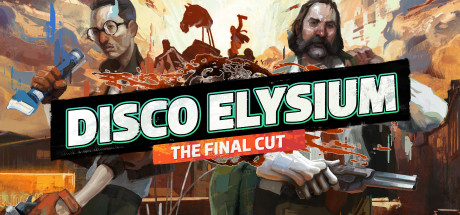
Disco Elysium - The Final Cut shares something rarer: the raw, unvarnished texture of internal collapse—and recovery. Its description calls it “a groundbreaking role playing game” where you “interrogate unforgettable” people—and the player review drops that jarring, philosophical line: “Capital has the ability to subsume all critiques into itself…” That’s not just political theory—it’s the kind of fractured, self-aware despair Tomoya carries early on: the sense that the world is rigged, that pain is structural, that even trying feels like complicity. But Disco Elysium doesn’t leave you there. Like Clannad, it insists on small, stubborn acts of connection—listening to a stranger’s story, choosing empathy over cynicism, letting someone see your cracks. Both refuse catharsis without cost—and both treat healing as labor, not magic.
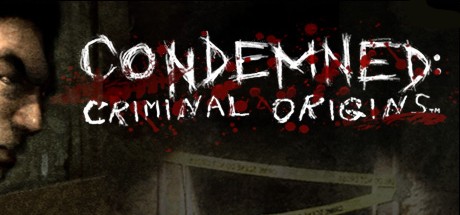
And then there’s Condemned: Criminal Origins, whose description asks: “What twists the mind of an ordinary human into a serial killer?” On surface, it seems worlds away—no school clubs, no gentle rain scenes. But that question echoes in Clannad’s shadows: What breaks a father so completely he stops seeing his own son? What hollows out a teenager until he walks past kindness like it’s static? The horror isn’t supernatural—it’s human erosion. And the player review calls it “a gem”—not for gore, but for its uncompromising intimacy with brokenness. Like Clannad, it forces you to stare at the slow, ugly unraveling—and then, quietly, at what remains worth salvaging.
This pairing isn’t for people who want tidy resolutions or power fantasies. It’s for the ones who’ve sat with a sick parent and memorized the ceiling tiles; who’ve held a friend’s hand while they cried silently on a train; who understand that love isn’t always soft—it’s often tired, awkward, stitched together from mismatched threads. It’s for readers who underline sentences in dog-eared paperbacks, gamers who pause mid-mission just to watch NPCs live their tiny, looping lives, and anyone who’s ever whispered, “I’m still here,” not as triumph—but as vow.
🎮58 Games That Match the Vibe





























Match Dimensions Explained
❓Frequently Asked Questions
Why is Persona 5 Royal listed as similar to Clannad despite being a JRPG with turn-based combat?
Because both hinge on deeply emotional, character-driven storytelling where daily life interactions—like building Confidant bonds with Ann, Ryuji, or Futaba—mirror Clannad’s focus on gradual, heartfelt relationship development. The rainy rooftop scene with Ann or the quiet hospital visit with Makoto carry the same tender, melancholic weight as Clannad’s iconic ‘Town’ arc moments—proving it’s not the genre but the emotional sincerity and narrative pacing that align them.
Is there an anime or visual novel adaptation of Disco Elysium like Clannad has?
No—Disco Elysium has no anime or visual novel adaptation. It’s purely a standalone narrative RPG built around detective work in Revachol, with zero official spin-offs. Unlike Clannad’s beloved Kyoto Animation series, Disco Elysium stays rooted in its text-rich, choice-driven world—think confronting the crumbling wharf district or debating existentialism with Cuno in the Whirling-in-Rags bar, not animated cutscenes.
How does Disco Elysium compare to Persona 5 Royal for someone who loved Clannad’s emotional depth but hated combat?
If you adored Clannad’s raw emotional beats—like Nagisa’s fragile hope or Tomoya’s quiet grief—but skipped every battle in P5R, Disco Elysium is your perfect match: zero combat, pure dialogue-driven narrative where every conversation (like arguing with the racist cop Mora or comforting the grieving Laura) lands with the same quiet intensity. It trades Tokyo’s school festivals for Revachol’s rain-soaked alleys, but keeps Clannad’s soul intact—just with more philosophy and fewer heart icons.
What’s the best game like Clannad if I want that bittersweet, rainy-town atmosphere and slow-burn romance?
Persona 5 Royal nails that vibe—especially the late-night strolls through Shibuya Station after a rainy day, or bonding with Ann during her Confidant route where vulnerability unfolds like Clannad’s ‘Summer’ arc. The soundtrack swells just right, the city feels lived-in and tenderly melancholy, and moments like the Christmas Eve scene at Leblanc café hit with the same gentle, aching warmth as Clannad’s snow-covered park bench.