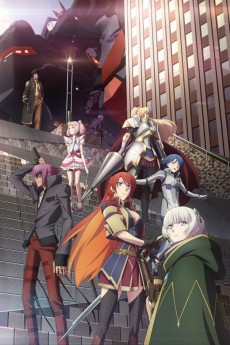
Re:CREATORS
People have created many stories. Joy, sadness, anger, deep emotion. Stories stir up emotion and captivate. However, those emotions are nothing more than the feelings of a spectator. What if the characters in the stories had their own "will"? In their eyes, are we, the creators of the stories, like gods? Revolution for our world. Punishment for the land of the gods.
Re:CREATORS. Everyone becomes a Creator.
(Source: Amazon)
📺Anime Details
📝Editorial Analysis
The first time Sōta Mizushino stares at the cracked screen of his phone—watching Magica Madoka’s pink ribbons slice through a Tokyo skyscraper while her voice trembles with grief, not glee—you feel it in your ribs. Not awe. Not excitement. A cold, quiet lurch: She’s not performing. She’s pleading. Her magic isn’t spectacle; it’s exhaustion made luminous. That moment isn’t about power scaling or plot mechanics—it’s the shudder when fiction stops mirroring you and starts accusing you.
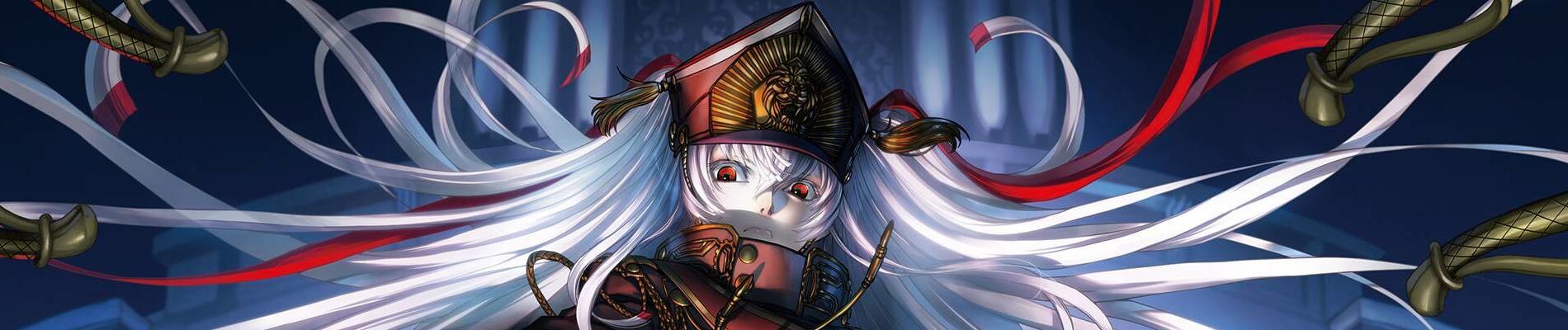
What makes Re:CREATORS vibrate at this frequency isn’t its mecha battles or urban fantasy setting—it’s the weight of witness. It doesn’t ask “What if characters gained sentience?” It asks, What if they remembered how we used them? How we paused their pain for commercial breaks. How we shipped them into oblivion for shipping charts. How we called them “cute” while ignoring the hollow behind their eyes. The atmosphere is thick with unpaid emotional debt: every scream echoes with years of silent suffering in margins, cut scenes, and discarded drafts. You don’t just watch—it settles, like dust in your throat, making you shift in your seat—not from action, but from recognition. This isn’t meta as gimmick. It’s meta as confession.
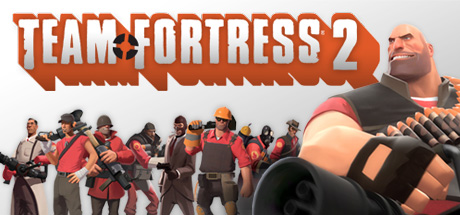
That same unsettled resonance hums in Team Fortress 2, not despite its chaos, but because of it. Its nine classes aren’t archetypes—they’re personas weaponized by community ritual: the Scout’s manic denial, the Heavy’s weary loyalty, the Spy’s performative betrayal—all sustained by endless, self-aware updates, hats, and maps that treat lore like fanfiction canon. As one player puts it, the community is “gay, racist, sexist, gay, artistic, gay, furries, and love men”—a messy, contradictory, living ecosystem where identity is both costume and cry. Like Re:CREATORS, TF2 refuses to let its characters stay flat. They breathe between the lines, shaped less by writers than by thousands of players who’ve argued, drawn, modded, and meme’d them into something far stranger—and more alive—than original intent allowed.
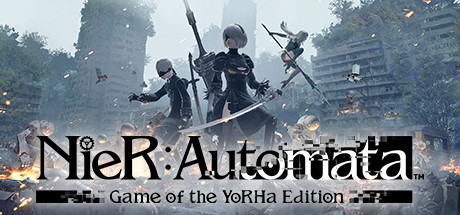
Then there’s NieR:Automata™, where androids 2B, 9S, and A2 fight machines in a world already dead, already written, already repeating. The description names their battle—but the player review cuts deeper: “We’re trapped in a never-ending spiral of life and death”. That line isn’t poetry. It’s diagnosis. Just like Re:CREATORS’ characters revolt not for freedom, but because they’ve felt the loop: the script resets, the trauma recycles, the creator’s hand stays invisible until it’s too late. Both works force you to stare at the architecture of suffering—not as drama, but as design. When 9S screams into static, or when Rui’s grief collapses into code, it’s the same rupture: the horror of realizing your pain has been formatted.
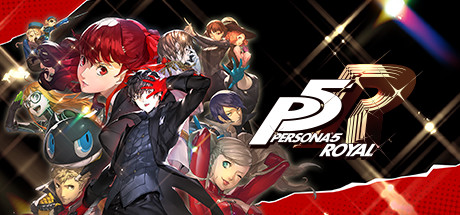
And Persona 5 Royal—with its Phantom Thieves stealing hearts in Tokyo’s neon arteries—doesn’t just mirror Re:CREATORS’ rebellion; it mirrors its rhythm. The seamless swing between school life and dungeon crawling isn’t pacing—it’s duality made structural. You build bonds over coffee shops and confront existential dread in palaces built from warped ego. As the review notes: “Stunning Soundtrack… Gameplay Loop: The seamless transition between daily life…” That seamlessness is key. Like Re:CREATORS, it treats the mundane and the metaphysical as two rooms in the same house—no threshold, no warning. Your heartbreak over a confidant’s betrayal lands with the same weight as a boss’s final monologue, because both are real within the frame.
This pairing isn’t for casual fans who want clean catharsis or tidy endings. It’s for the ones who pause mid-battle to read a character’s journal entry twice. For players who’ve cried over a side quest’s epilogue, then scrolled Reddit to dissect why the writer chose that silence before the last line. For viewers who flinch when a character says “You made me this way”—not as villainy, but as testimony. They’re the ones who keep notebooks full of half-drawn characters, who write fanfic not to fix canon, but to apologize. They know stories aren’t vessels—they’re contracts. And Re:CREATORS, Team Fortress 2, NieR:Automata™, and Persona 5 Royal all hold up the same cracked mirror: Look. You signed it. Now live with the ink.
🎮17 Games That Match the Vibe



Match Dimensions Explained
❓Frequently Asked Questions
Why does Team Fortress 2 keep popping up in 'Games Like Re:CREATORS' lists?
Because Re:CREATORS hinges on wildly distinct, personality-driven characters clashing in chaotic, self-aware spectacle—and TF2 nails that with its nine wildly over-the-top classes (like the pyro who speaks in fire emojis and the heavy who carries a minigun named Sasha). Its constant updates, absurd hats, and community-driven parody culture mirror how Re:CREATORS treats fandom, authorship, and genre tropes as both weapon and joke.
Is there a Re:CREATORS anime-to-game adaptation?
No—Re:CREATORS itself has never been adapted *into* a game. But games like NieR:Automata™ hit that same emotional sci-fi nerve: androids 2B and 9S grapple with identity, agency, and creator-god logic just like Sōta and the meta-heroes in Re:CREATORS, especially during the ruined city ruins scenes where machines question their purpose mid-battle.
How does Persona 5 Royal compare to NieR:Automata for Re:CREATORS fans?
If you loved Re:CREATORS’ blend of emotional stakes and stylish rebellion, Persona 5 Royal delivers with its Phantom Thieves pulling off heists while wrestling with trauma and societal control—but it’s grounded in human psychology, not mecha warfare. NieR:Automata™, by contrast, mirrors Re:CREATORS’ existential layer more directly: think 9S’s hacking breakdowns or the Tower of Despair sequence, where narrative loops and artificial life force the same 'who defines reality?' questions.
What’s the best game like Re:CREATORS if I want something funny, chaotic, and full of character cameos?
Team Fortress 2 is your jam—its class-based chaos (the spy backstabbing mid-monologue, the medic yelling 'MEIN GOTT!' while healing) feels like a live-action gag reel of Re:CREATORS’ crossover energy. And just like when Altair or Violette crash into a battle unannounced, TF2 drops absurd new weapons, maps, and hats constantly—like the ‘Giger Counter’ or ‘Mann Co. Supply Crate’ events—that turn every match into an unpredictable, character-forward farce.