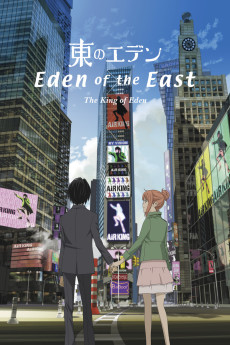
Eden of the East the Movie I: The King of Eden
The intrigue goes international in The King of Eden, a feature-length conspiracy thriller that continues the action of Eden of the East. The deadly game that began in Japan now intensifies on the streets of New York City. The rules are the same: do whatever it takes to win. Die if you lose.
Takizawa prevented Japan's destruction - and then he vanished. Six months later, clues lead Saki to the Big Apple in search of her missing friend. Meanwhile, the remaining Selecao are plotting their final move. Some of them would prefer Takizawa dead and out of the way. Some might even be willing to help him achieve his goals. Unfortunately, some are prepared to destroy everything if it means claiming checkmate in Mr. Outside's puzzling game.
(Source: Funimation Entertainment)
📺Anime Details
📝Editorial Analysis
Rain slicks the pavement of Times Square, neon bleeding into oily puddles as Saki Morimi stands frozen beneath a flickering Coca-Cola sign—her breath shallow, her fingers clutching a crumpled subway map with one name circled in ballpoint: Takizawa. Not a clue. Not a lead. Just absence made physical. The city hums—not with wonder, but with surveillance: cameras swivel, phones buzz with encrypted pings, strangers glance just a beat too long. There’s no music swelling, no heroic pose—just the quiet, suffocating weight of knowing something is broken, and knowing you’re the only one who remembers it’s broken.

That’s the feeling Eden of the East the Movie I: The King of Eden lives inside: paranoia with a pulse, not as spectacle but as weather. It doesn’t thrill you with explosions—it unsettles you with silence between radio transmissions, with the way a diplomat’s smile never reaches his eyes, with how easily “national security” becomes indistinguishable from erasure. This isn’t dystopia dressed up; it’s capitalism mid-digestion, chewing up idealism, identity, even memory—and spitting out clean, branded outcomes. You don’t feel like a hero. You feel like evidence someone tried to delete. The urban grit isn’t backdrop—it’s texture you taste: exhaust, stale coffee, the static hiss of a burner phone powering down mid-sentence. And beneath it all, that tender, stubborn ache—Saki searching, not for answers, but for continuity: for the man who chose mercy over victory, and vanished before anyone could thank him.
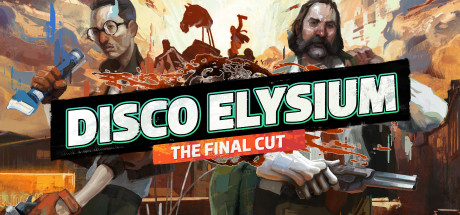
That emotional DNA—the collision of systemic dread and intimate yearning—echoes sharply in Disco Elysium - The Final Cut. Its description names it outright: Mystery & Detective, Political Thriller. Like Saki navigating New York’s layered lies, you play a detective whose own mind is a crime scene—amnesia, ideological fractures, voices arguing in your skull while the city decays around you. A player review nails the shared vertigo: “Capital has the ability to subsume all critiques into itself. Even those who would critique capital end up reinforcing it instead.” That’s Takizawa’s entire arc—not rebellion, but recognition: seeing the game’s rules so clearly he refuses to win by them. Both works trap you in systems so totalizing, resistance looks like quiet refusal—walking away, choosing silence, holding onto a single human name in a database of anonymized threats.
Then there’s Condemned: Criminal Origins, tagged Mystery & Detective, Survival & Crafting. Its description asks the chilling question: “What twists the mind of an ordinary human into a serial killer?” Not monsters—ordinary humans. That’s the terror threading through The King of Eden: the Selecao aren’t villains in capes. They’re bankers, diplomats, journalists—people who’ve internalized the game’s logic until empathy calcifies into calculus. A player review calls it a “gem”, praising its raw, unvarnished tension—exactly the sensation of watching Saki realize the NYPD liaison she trusts carries a kill order tucked behind his badge. No crafting menus here—just the visceral, claustrophobic crafting of survival: reading micro-expressions, timing a subway exit, trusting no voice on a scrambled line. Both demand you feel the fragility of sanity when reality is weaponized.
Even The Ship: Murder Party, tagged Mystery & Detective, Survival & Crafting, resonates—not in tone, but in structure-as-philosophy. Its description frames it as a murder mystery multiplayer, where every player is suspect, ally, or target depending on shifting alliances and hidden objectives. Sound familiar? The Selecao don’t fight armies—they manipulate markets, leak documents, frame allies. One review notes how “videos of this game are great and even playing solo the game is genuinely really funny but I wish they would either readd the ability to make private…”—that longing for control, for a space where trust isn’t a vulnerability, mirrors Saki’s isolation in NYC. She can’t form a party. She can’t whisper strategy. She’s alone in a world where laughter might be coded signal—and every handshake could be a trigger.
This pairing isn’t for fans of “cool powers” or “epic battles.” It’s for the person who watches Takizawa stare at a passport photo and feels their throat tighten—not because he’s lost, but because he chose to be. It’s for the player who spends twenty minutes debating whether to confront a corrupt union boss or quietly burn the ledger, knowing either choice feeds the machine. It’s for the reader who underlines lines about capital’s self-cannibalizing logic and then closes the book to stare out the window, wondering what parts of themselves have already been optimized. These are stories for those who recognize dread not as fear of death—but as grief for the version of the world that could have been, if we’d all just refused to press ‘confirm’ on the update.
🎮10 Games That Match the Vibe





Match Dimensions Explained
❓Frequently Asked Questions
Why is Disco Elysium recommended for fans of Eden of the East: The King of Eden?
Because both dive deep into political disillusionment and identity crises—like when Akira Takizawa grapples with amnesia and systemic manipulation, you’re similarly unraveling your own fractured psyche in Revachol while interrogating corrupt officials and debating ideology. The skill-check dialogue system (e.g., ‘Logic’ or ‘Authority’ rolls) mirrors how Eden’s characters weaponize rhetoric and social perception to survive—and critics call it ‘a cruel irony’ where even dissent gets absorbed by the system, just like in the film’s critique of neoliberal spectacle.
Is there a video game adaptation of Eden of the East?
No—there’s never been an official Eden of the East game adaptation, not for the movie or the series. But fans drawn to its themes of surveillance capitalism, amnesiac protagonists, and high-stakes political games often land on Disco Elysium or Condemned: Criminal Origins instead—especially since Condemned explores how trauma warps perception, much like Takizawa’s fragmented memories after waking up naked in Shibuya Scramble.
Disco Elysium vs. Condemned: Criminal Origins—which better captures Eden of the East’s paranoid, cerebral tension?
Disco Elysium nails the cerebral, dialogue-driven paranoia—think Takizawa’s late-night phone calls with Saki or his internal monologues about agency—while Condemned leans into visceral, first-person dread (like stalking suspects through rain-slicked alleys), echoing the film’s claustrophobic chase sequences in the underground parking garage. Both score highly in ‘Mystery & Detective’, but only Disco Elysium layers in that biting political satire—‘Capital has the ability to subsume all critiques into itself,’ just like Eden’s ‘Select Committee’ manipulates reality.
What’s the best game like Eden of the East if I want that lonely, rain-soaked Tokyo noir vibe with moral ambiguity?
Disco Elysium — The Final Cut is your strongest match: its decaying city of Revachol feels like a spiritual twin to Tokyo’s neon-drenched, socially fraying underbelly—especially scenes where you question witnesses in dimly lit apartments or debate ethics with your own hallucinated cop partner. With an 84 Metacritic score and mechanics built around internal conflict (not combat), it delivers that same isolating, morally slippery weight as Takizawa wandering Shinjuku at 3 a.m., trying to remember who he is—and whether he should trust anyone, including himself.