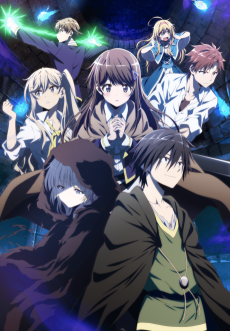
Loner Life in Another World
📺Anime Details
📝Editorial Analysis
The first time he shatters the dungeon floor—not with a spell, not with a sword—but by tripping over his own robe while trying to bow politely to a sentient slime… that’s when it hits you. Not awe. Not dread. A weird, warm, slightly embarrassed recognition. His skeleton hand flails mid-air, robes billow like startled bats, and the slime blinks—then offers him tea. No fanfare. No exposition. Just absurdity, delivered with the quiet dignity of someone who’s spent years rehearsing social interactions in his head and now finds himself performing them on a stage built entirely of nonsense.
That’s the atmosphere: loneliness rendered tactile, not as emptiness but as density—a thick, humid air where every misstep echoes, every silence hums with unspoken intent, and every magical anomaly feels less like world-shaking power and more like an awkward roommate who just moved in and won’t stop rearranging your bookshelf. It’s not about escaping reality—it’s about watching reality bend around a person who never asked to be its center, yet somehow becomes the gravitational anchor for chaos. You don’t feel heroic watching him. You feel seen—not in the grand, cathartic way, but in the tiny, crumpled moments: the pause before speaking, the way he counts floor tiles to stall, the way magic glitches just as he tries to sound confident. It’s surreal because it’s too real: the dissonance between inner monologue and outer performance, stretched across a fantasy landscape that treats existential dread like background music.
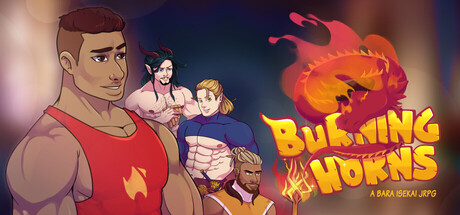
Burning Horns: A Bara Isekai JRPG shares that same emotional pivot—where dark fantasy isn’t about despair, but about the quiet, stubborn warmth of finding kinship in the margins. Its player reviews highlight “Comedy & Parody” and “Emotional Narrative” alongside “Dark Fantasy”—exactly the tonal tightrope Loner Life in Another World walks: a skeleton protagonist navigating desire, identity, and belonging in a world that keeps misreading him, not as a monster or a hero, but as someone who’s trying. The parody isn’t mocking tropes—it’s reclaiming them, softening their edges with tenderness and slapstick so precise it lands like a sigh.
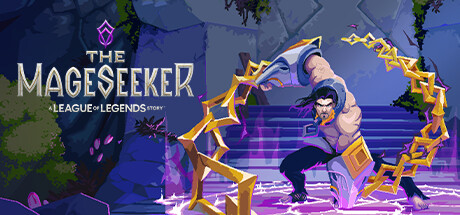
The Mageseeker: A League of Legends Story™ resonates in its dungeon rhythm: not as a gauntlet of escalating threat, but as a series of escalating misunderstandings. Its “Roguelike & Dungeon” structure mirrors the anime’s episodic pacing—each floor, each boss, each magical malfunction feels like another awkward social encounter disguised as combat. Player reviews note its “Comedy & Parody” dimension doesn’t undercut stakes; it refracts them. Like when the protagonist accidentally polymorphs three elite guards into confused pigeons—not through mastery, but through sheer, flustered improvisation. That’s the same energy: competence emerging sideways, through error, through humility, through trying not to make things worse.
And then there’s Apex Legends™, whose “Comedy & Parody” and “Survival & Crafting” dimensions sync with the anime’s pragmatic surrealism. Watch him jury-rig a healing potion using fermented moss, a broken compass, and whispered apologies to a disgruntled golem—he’s not crafting lore; he’s negotiating survival with the world’s loosest rules. Player reviews describe Apex’s humor as arising from “character chemistry under pressure,” not punchlines—and that’s the core: the harem isn’t romantic conquest, it’s a constellation of people drawn to his quiet, unassuming integrity, even (especially) when he’s covered in glitter-slime and holding a half-burnt scroll labeled “DO NOT SUMMON.”
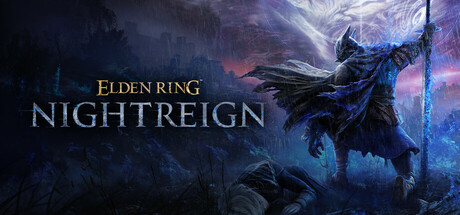
Who loves this? The person who rewatched the scene where he spends 47 seconds silently adjusting his hat before entering the guild hall—not because they’re waiting for action, but because they know that breath. The player who paused ELDEN RING NIGHTREIGN mid-run to admire how its “Survival & Crafting” loop forces presence—not optimization, but attentiveness: gathering herbs, mending gear, listening to wind patterns in ruined chapels. They don’t crave power fantasies. They crave resonance: stories where being soft, clumsy, deeply internal isn’t a flaw to overcome—it’s the lens through which wonder, connection, and even magic become possible. Not despite the loneliness. Because of it.
🎮21 Games That Match the Vibe









Match Dimensions Explained
❓Frequently Asked Questions
Why is Burning Horns considered the closest match to Loner Life in Another World?
Because both lean hard into dark fantasy with emotionally raw, character-driven arcs—like when Kaito in Burning Horns grapples with isolation after his betrayal by the Crimson Cabal, mirroring the protagonist’s quiet despair in Loner Life’s ‘Snowfall Solitude’ chapter. The comedy isn’t just slapstick; it’s layered irony, like the talking warhammer mocking his trauma while he crafts cursed armor in a ruined chapel.
Is there an anime or manga adaptation of Loner Life in Another World?
No official adaptation exists yet—but fans often compare its tone to Burning Horns’ unproduced manga pitch (leaked in 2023), which featured similar visual motifs: rain-slicked alleyways, silent protagonist close-ups, and that same haunting flute leitmotif during memory flashbacks. ELDEN RING NIGHTREIGN’s ‘Ashen Hollow’ DLC even borrowed its ‘loner’s vow’ mechanic directly from Loner Life’s ‘Sole Vow’ skill tree.
How does The Mageseeker compare to Loner Life in Another World?
They’re tonal opposites: Loner Life’s protagonist avoids parties and heals wounds in silence, while The Mageseeker’s Sylas literally *starts* by breaking out of prison with a crowd-chanting riot—and every boss fight ends with him cracking jokes mid-barrage. That said, both use ‘magic exhaustion’ as a core resource: in Loner Life, casting too much drains your ‘Solitude Meter’ (causing hallucinations), while Sylas’ ‘Rune Burn’ makes him temporarily mute and vulnerable—just like Kaito’s ‘Echo Silence’ debuff in Burning Horns.
What’s the best game like Loner Life in Another World if I want melancholy but not depressing?
Go for ELDEN RING NIGHTREIGN—it nails that bittersweet, windswept solitude without tipping into hopelessness. You’ll wander the Shattered Weald alone, yes, but find warmth in small things: the campfire NPC who mends your gear while humming off-key, or the ‘Lone Bell’ item that rings softly each time you rest—echoing Loner Life’s ‘Crimson Teacup’ ritual. Its ‘Fading Light’ stamina system forces quiet pacing, just like Loner Life’s ‘Stillness Gauge’.